















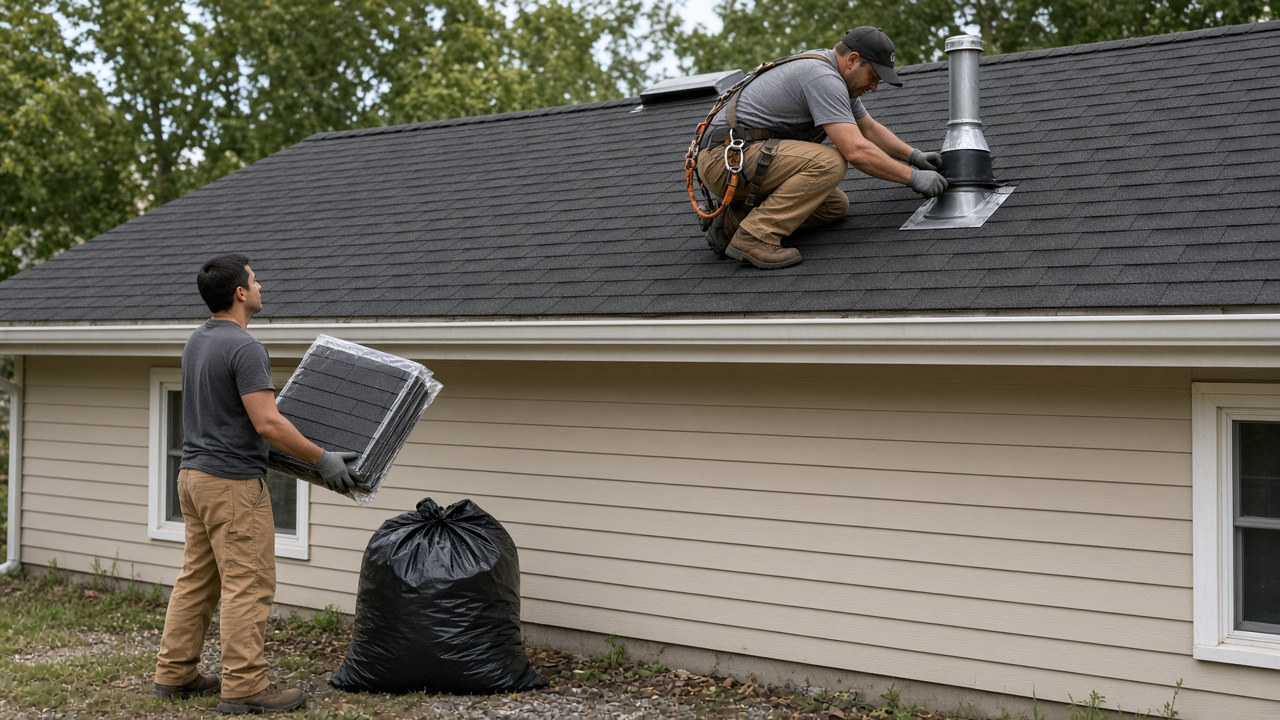


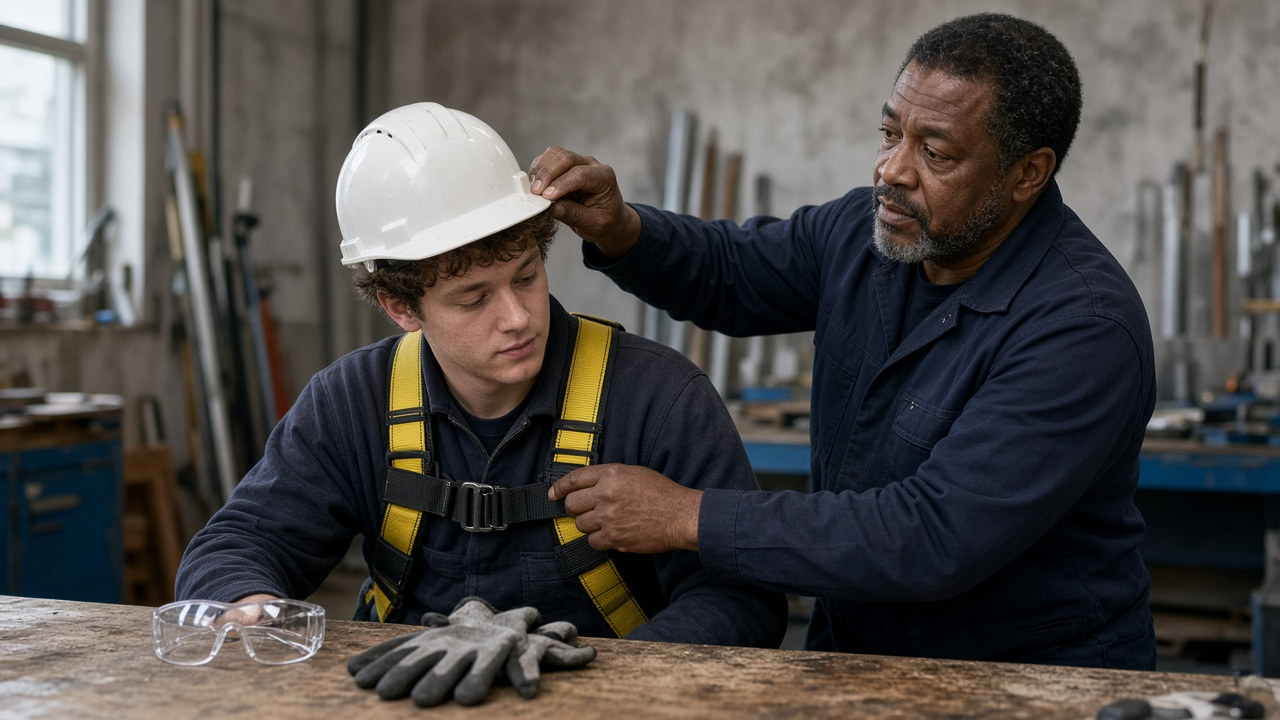




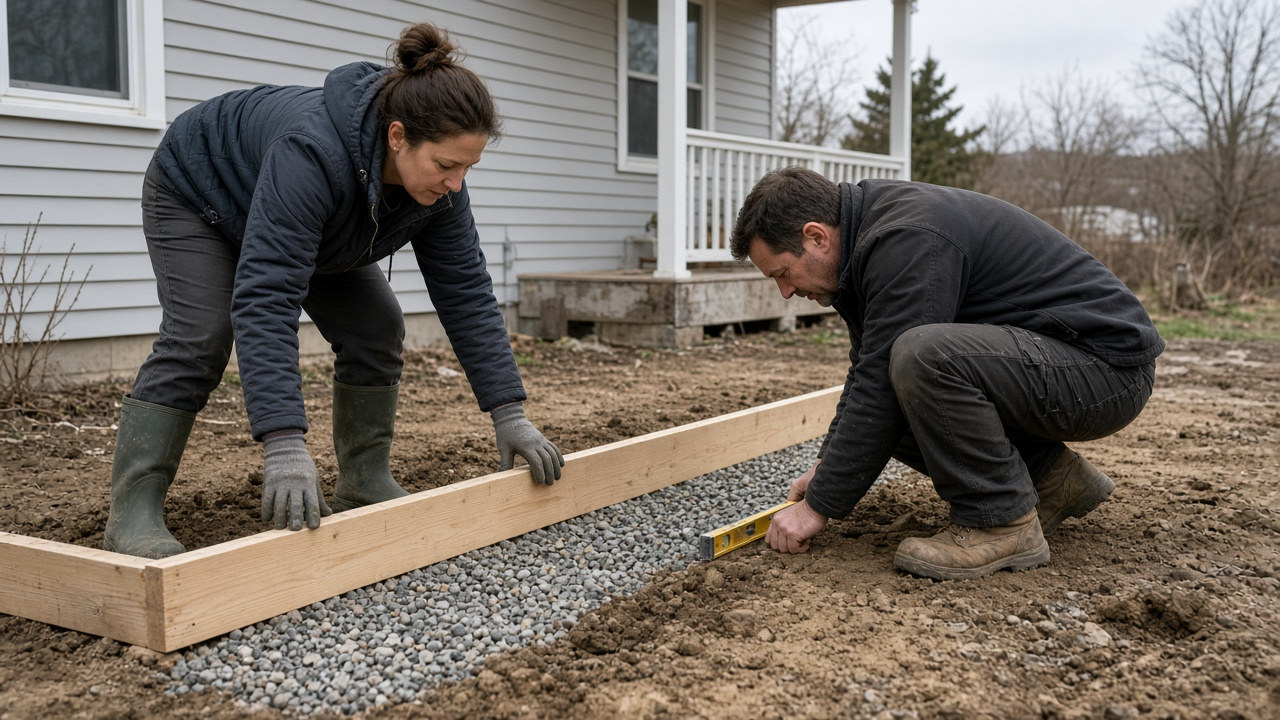















A crew can be one qualified worker short of a finished job. The right person is not simply someone who has worked in construction or maintenance before. They need the specific ability, credentials, availability, and jobsite readiness the work requires. Knowing how to match workers by skills helps employers fill urgent gaps without creating new delays, safety issues, or costly rework.
For contractors, property teams, and field-service businesses, skill matching should be practical. It is not about collecting the longest resume. It is about getting the right worker to the right job at the right time.
Start with the work, not the job title
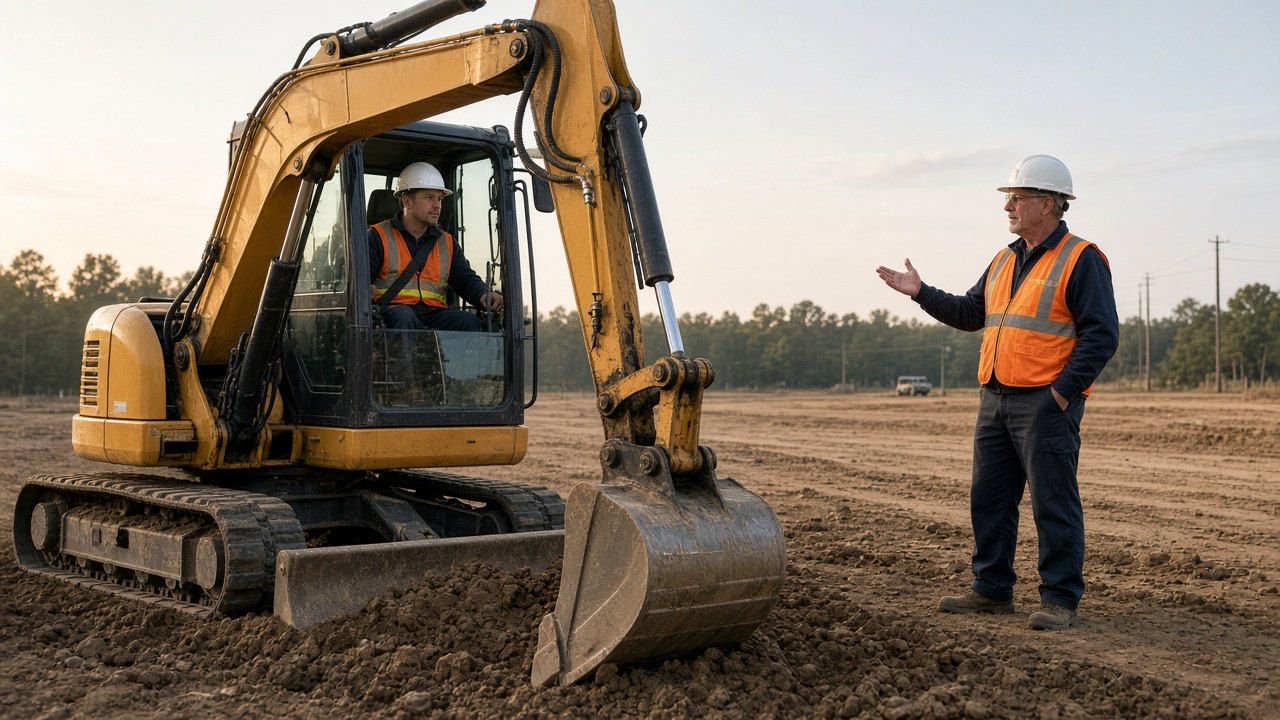
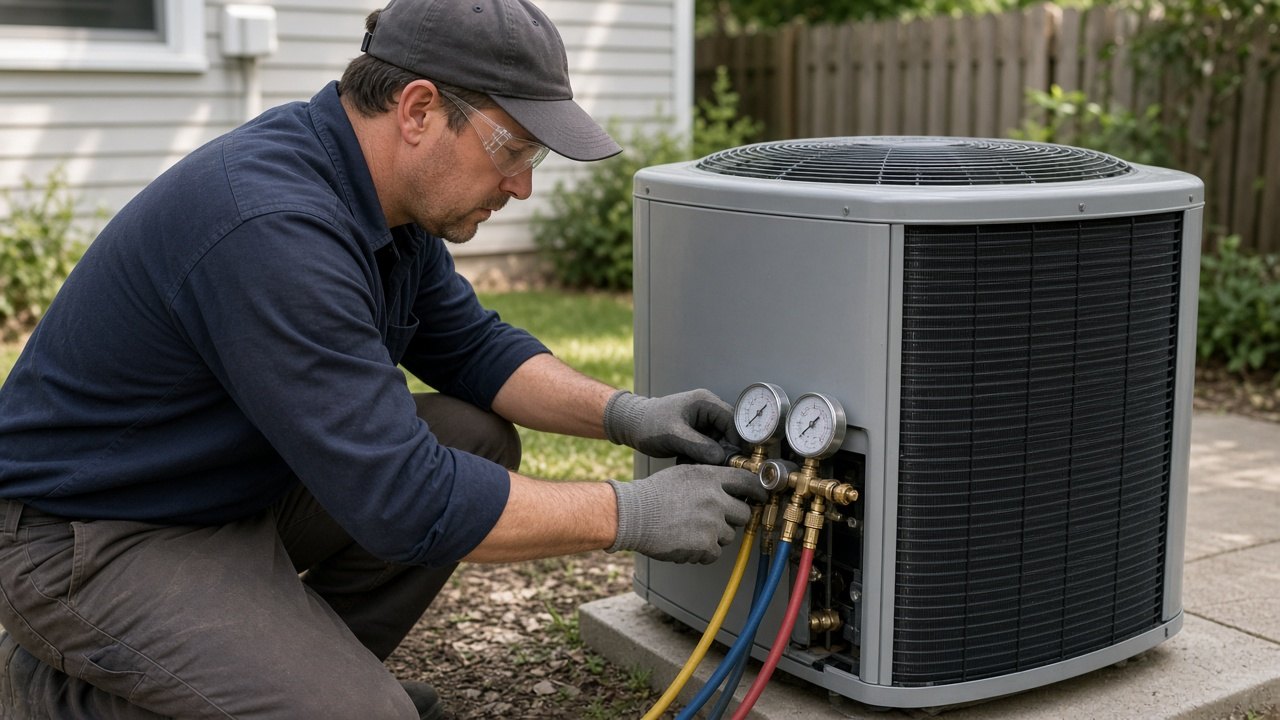
Job titles are useful, but they can hide the details that determine whether a worker can perform on day one. A "maintenance technician" may be strong in drywall repair and painting but not qualified to troubleshoot HVAC equipment. A "laborer" may be excellent at site cleanup, material handling, and demolition support but have no experience operating a skid steer.
Define the work in plain language before posting a role or contacting workers. State what must be completed, which tools or equipment are involved, how long the job is expected to last, and whether the worker will work independently or support a crew. This gives qualified people enough information to recognize a good fit and keeps unqualified applicants from guessing.
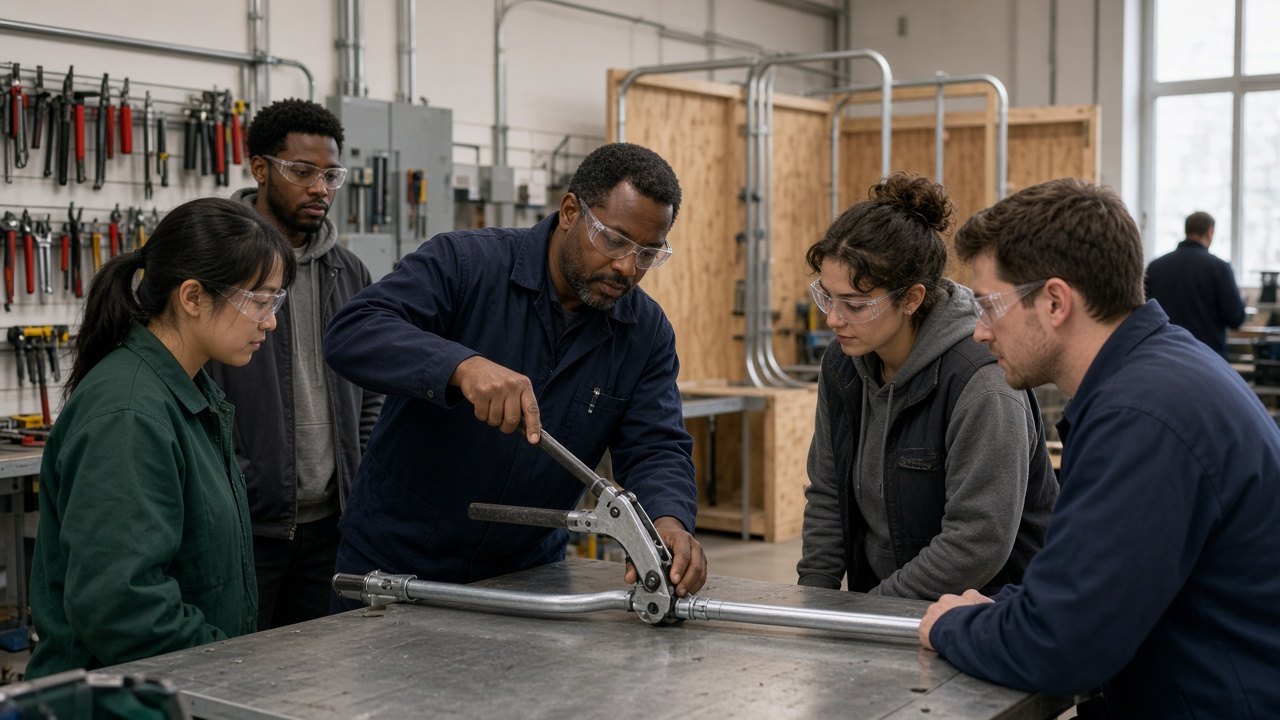
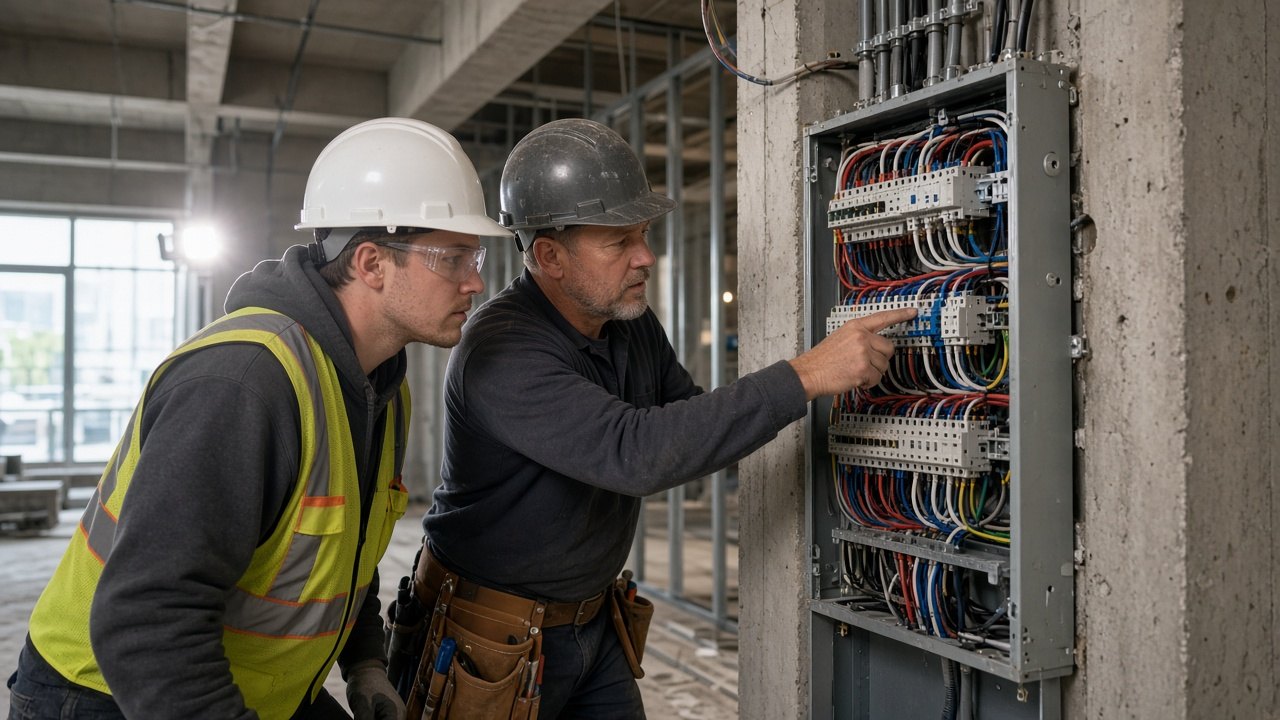
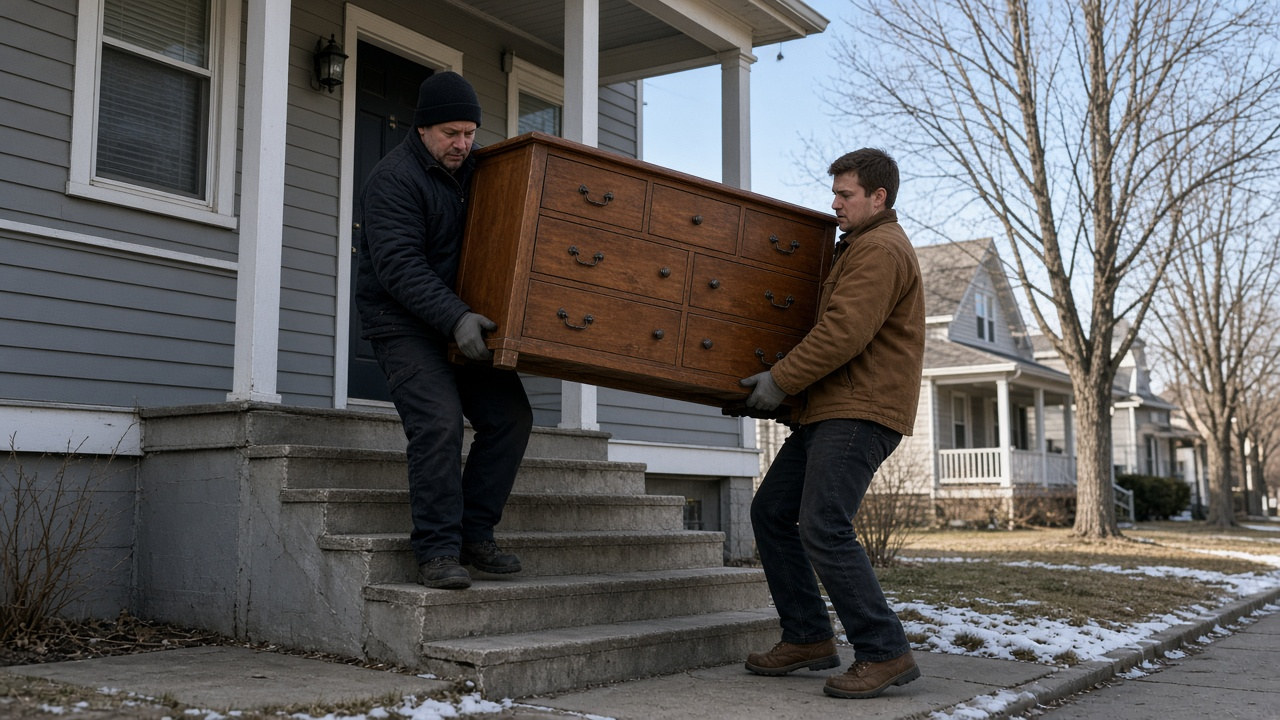
For example, instead of posting for a general electrician, specify whether you need someone for commercial conduit bending, panel work, fixture installation, low-voltage systems, or troubleshooting. Instead of asking for a general laborer, describe whether the role involves loading materials, concrete cleanup, trench support, demolition, or moving equipment.
The more closely the job description reflects the actual work, the faster the match.
Separate must-have skills from preferred experience
Not every requirement should carry the same weight. A fast hire becomes difficult when a job post treats every preference as a nonnegotiable condition. Separate the skills that are essential for safe, successful work from those that would simply make the worker easier to place.
Must-have skills are tied directly to the assignment. They can include a trade specialty, a required license, equipment experience, a certification, the ability to read plans, or a safety requirement. Preferred experience may include familiarity with a particular brand of equipment, experience on a similar project type, or prior work with your company’s processes.
This distinction matters when the need is urgent. If a worker has the core skills, a solid work history, and the right availability, they may be a better choice than someone with a perfect background who cannot start for several days. On a longer or more technical project, the balance may shift. The risk of a weak match is higher when work is specialized, regulated, or difficult to inspect after completion.
Match workers by skills with a simple scorecard
A quick scorecard keeps hiring decisions focused on the job rather than on vague impressions. It also helps different supervisors evaluate workers consistently. Use a short set of factors that matter to the assignment:
- Trade skill or task experience
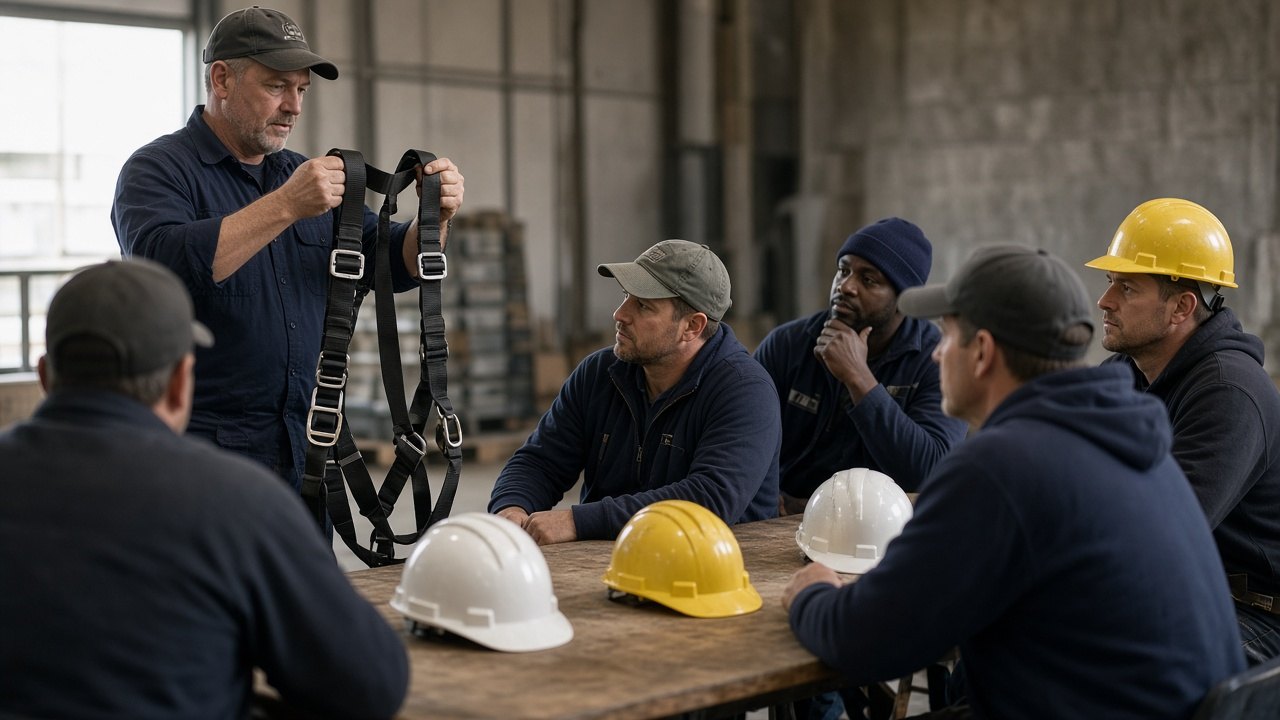
- Required license, certification, or safety training
- Equipment and tool familiarity
- Availability, location, and reliable transportation
- Ability to communicate with the crew, customer, or site lead
Give the most weight to the first two factors. A worker who is nearby and available is valuable, but availability cannot replace a required qualification. For lower-risk support roles, reliability and jobsite attitude may carry more weight than years of specialized experience. For technical trades, verified credentials and proven task experience should lead the decision.
A scorecard does not need to be complicated. A supervisor should be able to review it in minutes and understand why a worker is the best fit for a particular shift, service call, or project phase.
Look beyond hard skills
Hard skills get the job done, but jobsite performance depends on more than technical ability. A skilled worker can still be a poor fit if they cannot follow site procedures, communicate schedule issues, work safely around others, or show up when expected.
For short-term labor needs, confirm the basics early: start time, job location, pay expectations, transportation, required personal protective equipment, and who the worker reports to. These details reduce no-shows and prevent confusion at the gate.
For customer-facing maintenance and service work, communication deserves extra attention. A technician may need to explain an issue to a property manager, document completed work, or coordinate with tenants. For mixed-language crews, bilingual communication can keep instructions clear and help workers participate fully. English-Spanish access is not just a convenience when the job depends on clear safety and task direction.
Verify what matters before the worker arrives
Speed should not mean skipping verification. The goal is to reduce wasted time by checking the information that affects safety, compliance, and job quality before assigning the work.
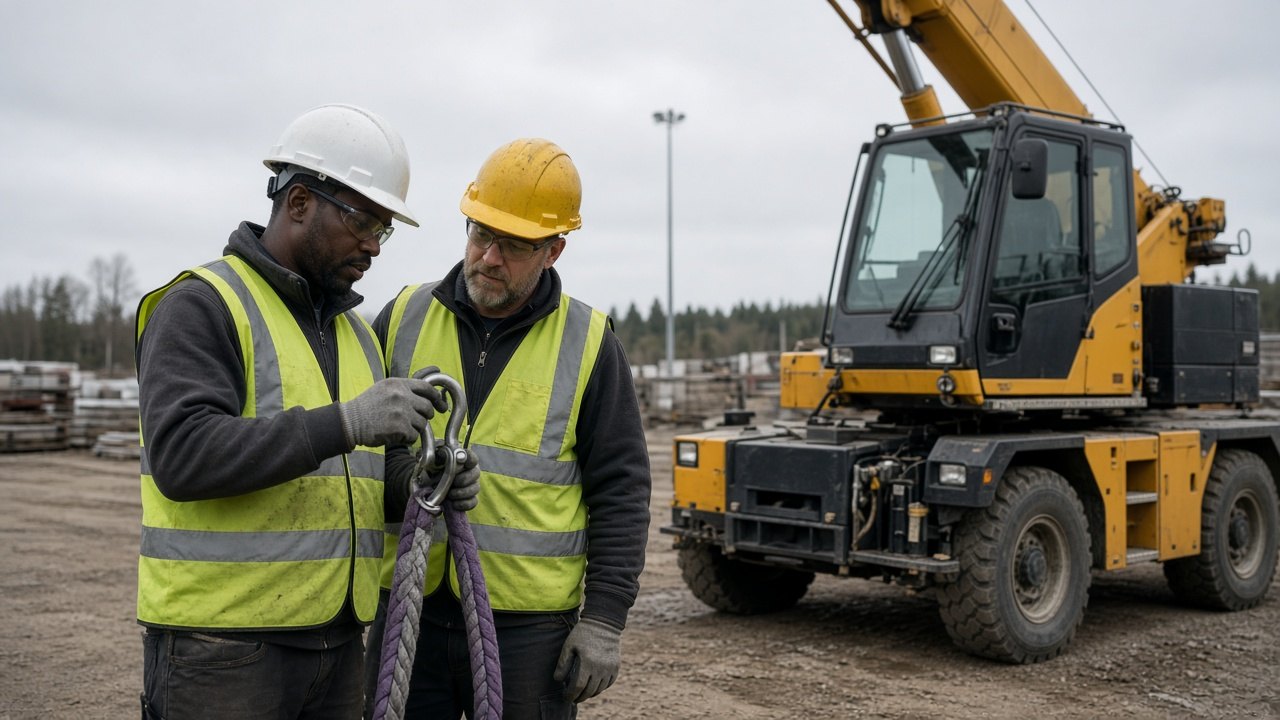
What to verify depends on the role. A licensed trade may require license confirmation and insurance requirements. Equipment work may call for documented operating experience or site-specific approval. General labor assignments may focus more on work history, identity, transportation, and readiness for the shift.
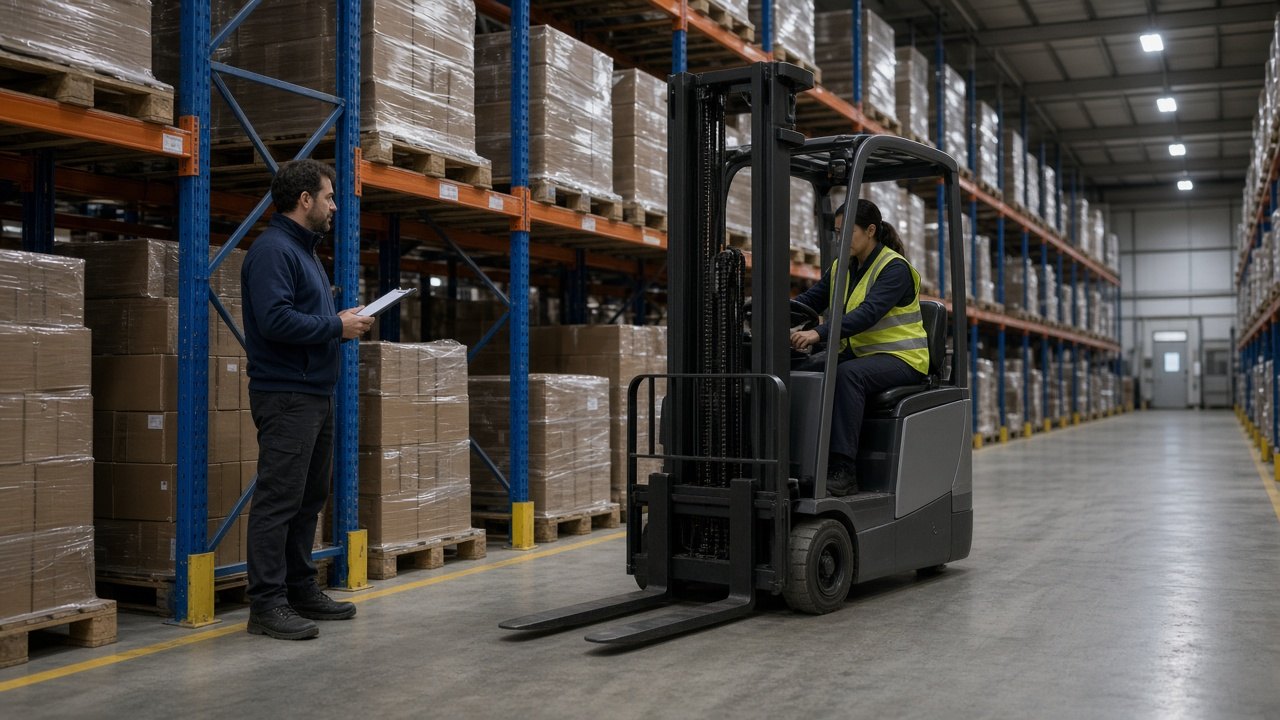
Ask targeted questions tied to the task. If you need a forklift operator, ask about the type of forklift, work environment, load conditions, and recent operating experience. If you need a drywall finisher, ask whether they can tape, mud, match textures, and work from a punch list. Specific questions reveal more than a broad question such as, "Do you have experience?"
Verified worker marketplaces can shorten this step by giving employers a clearer starting point. With ChambaNow, businesses can post jobs free and connect with verified trade and labor workers without relying only on calls, classified ads, or word-of-mouth referrals.
Include availability in every skills match
The best-skilled worker is not the right match if they cannot be on site when the work needs to happen. Availability should be treated as part of the qualification, especially when a delayed task holds up other trades.
Be direct about the schedule. Include the start date, shift hours, expected duration, overtime expectations, and whether the project may extend. Also identify location conditions that affect attendance, such as parking limits, remote access, early gate times, or travel between sites.
Workers benefit from the same clarity. A painter deciding between two opportunities needs to know whether one role is a single-day touch-up job or a two-week interior project. Clear details help qualified workers choose jobs they can complete reliably instead of accepting work that conflicts with another commitment.
Build a feedback loop after each assignment
Every completed job can improve the next match. Ask the site lead a few direct questions: Did the worker have the stated skills? Did they arrive prepared? Was the work completed to the expected standard? Would you hire them again for the same type of work?
Keep feedback tied to observable performance. "Good worker" is less useful than "arrived early, worked safely, completed demolition cleanup, and followed direction without repeated instruction." Over time, these notes help identify workers who are dependable for specific tasks, crews, locations, and project types.
Workers should receive useful feedback as well. If a role required a credential they did not have or a skill they need to strengthen, clear feedback helps them pursue better-fitting work next time. A marketplace works better when matching improves for both sides, not only when employers fill a shift.
Avoid the common matching mistakes
The fastest hiring problems usually start with a vague request. Asking for "two guys for construction" may bring responses, but it does not tell workers whether the job fits their experience, equipment, or schedule. A precise request may feel like an extra minute of work, yet it saves hours of screening and prevents mismatches at the jobsite.
Another mistake is hiring only for technical skill and overlooking reliability. A worker with fewer years of experience who communicates clearly, shows up prepared, and follows direction can be the stronger choice for many roles. The reverse is also true: dependability alone cannot make up for a missing qualification on skilled or regulated work.
Finally, do not treat skill matching as a one-time hiring task. Crew needs change by project phase. The worker you need for demolition is not always the worker you need for finish work, commissioning, repairs, or closeout. Match the person to the next piece of work, not to a broad label.
Better matches begin with a clear job, a realistic view of the skills required, and fast confirmation of availability. When employers describe the work honestly and workers present their real strengths, hiring moves faster and every completed assignment builds a more dependable workforce.