
How Do You Become an Electrician? Apprenticeship and License Steps
To become an electrician, complete an apprenticeship or approved training and meet your state's licensing rules.
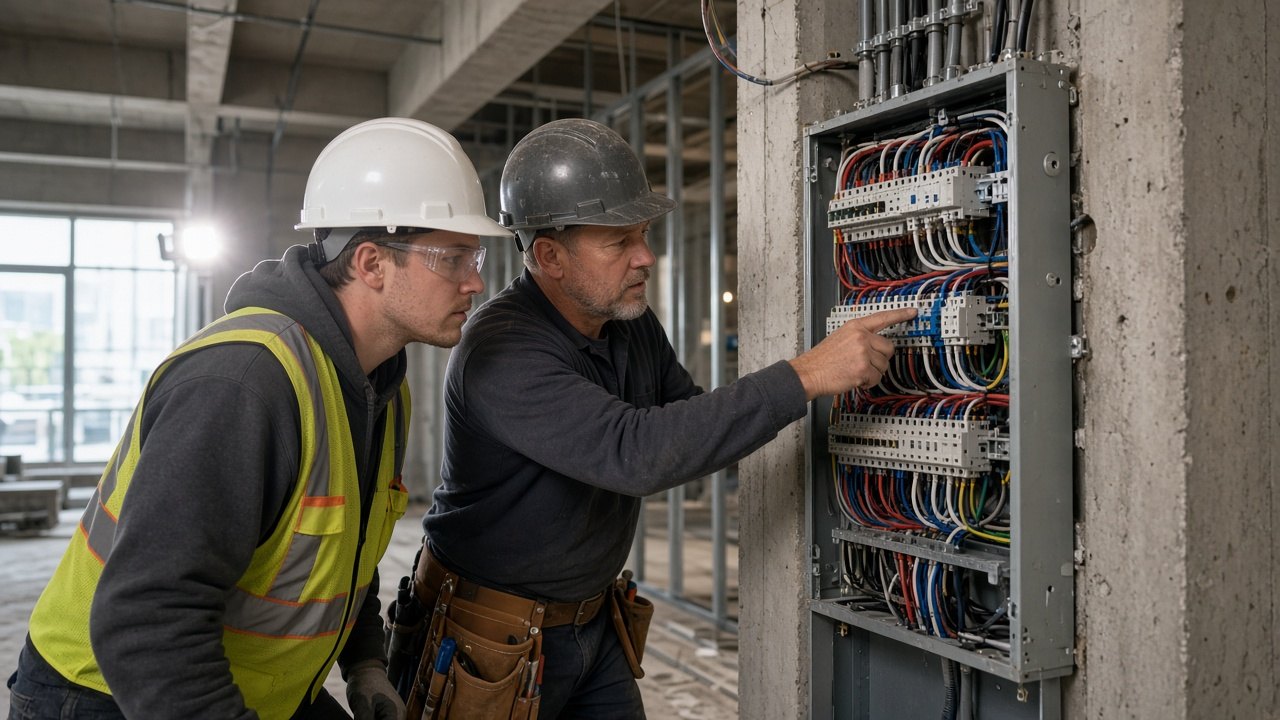
To become an electrician, complete an apprenticeship or approved training and meet your state's licensing rules.
The electrician path is a long-term skill-building route, not a weekend certificate. A helper job can be a useful start, but the important question is whether the experience and classroom instruction count toward the license you eventually need.
There is no single national electrician license. BLS says most states require licensing, with requirements varying by state. Start with the licensing board for the place you will work, then compare apprenticeship sponsors whose training fits those rules.
What does an electrician apprenticeship involve?
BLS describes a typical electrician apprenticeship as four or five years. Apprentices usually receive about 2,000 hours of paid on-the-job training each year, along with technical instruction. That is a typical national description, not a substitute for your sponsor's requirements.
Subjects include electrical theory, blueprint reading, mathematics, electrical codes, safety, and first-aid practices. Some programs include specialized topics such as fire alarms, communications, or other systems.
Registered Apprenticeship combines paid work experience, mentoring, related instruction, progressive wage increases, and a nationally recognized credential. Confirm the status of a program instead of assuming every contractor's training arrangement is a Registered Apprenticeship.
Where can you find a program?
Use Apprenticeship.gov's job finder and your state apprenticeship resources. BLS notes that unions and contractor associations sponsor electrician programs. Some employers also have training programs, but not all are recognized apprenticeships.
Contact sponsors directly about openings, application dates, prerequisites, selection steps, and the work area they serve. Ask how assignments are made and whether travel between sites is expected. A program may be a good curriculum fit but difficult to attend without reliable transportation.
Our general guide on entering an apprenticeship from day labor at https://chambanow.com/chambamatters/how-to-get-into-a-trade-apprenticeship-from-day-labor explains the broader application process. This electrical roadmap focuses on licensing and credit toward the trade.
What entry requirements should you check?
BLS says a high school diploma or equivalent is required to become an electrician. Individual apprenticeship sponsors can set additional entry conditions and selection procedures. Read the current application rather than relying on what someone remembers from years ago.
Ask the sponsor these questions.
- What education records and math preparation do applicants need?
- Is there an aptitude assessment or interview?
- Is apprentice or trainee registration required before work begins?
- Which employers and supervisors can document qualifying experience?
- How is classroom attendance scheduled around work?
- What costs, tools, or books are the apprentice responsible for?
Prepare the actual requested documents and keep copies. BLS also notes that workers with electrical experience from the military or construction may qualify for a shortened apprenticeship based on experience and testing. Ask the sponsor whether that applies to you, and bring records that show what you actually did rather than job titles alone. Do not pay a school because it claims to bypass a sponsor's selection process unless the sponsor confirms the arrangement.
Does electrical helper work count toward a license?
It may or may not. The licensing board determines qualifying experience, and registration or supervision rules may apply. Do not assume that every hour carrying materials for an electrical contractor counts as supervised electrical work.
Ask before you accept a role intended as career preparation. Find out who signs experience records, what duties qualify, and how often your hours are documented. Keeping accurate records from the beginning is easier than reconstructing them when an employer closes or a supervisor leaves.
Our article on electrician helpers at https://chambanow.com/chambamatters/electrician-s-helpers-what-they-can-and-can-t-do-on-a-job explains why a helper should not claim the authority of a licensed electrician. Follow the legal scope and supervisor's instructions at every stage.
Should you attend technical school first?
BLS says some electricians begin with technical school and that graduates may receive apprenticeship credit. That does not mean every school transfers into every program or satisfies a state's experience requirement.
Before enrolling, ask the apprenticeship sponsor and licensing board what credit they accept from that exact program. Get specific answers about classroom instruction, practical training, and required supervised work.
Compare school with direct apprenticeship entry. The better route depends on your current qualifications, program openings, finances, and the support you need to become a strong applicant. A recognized preparatory class can help, but it is not automatically a license shortcut.
How do you become a journey-level electrician?
After an apprenticeship, electricians are considered journey workers, subject to state or local licensing requirements. BLS says license tests commonly cover the National Electrical Code and state and local electrical codes.
Check the board's current rules for experience, education, application approval, examinations, and fees. Ask which code edition applies. Do not buy exam preparation until you know the exact license category and testing reference materials.
A school diploma or apprenticeship completion record is not the same document as a license issued by the authority. Wait until issuance before presenting yourself as licensed, and use the correct title for your jurisdiction.
What can electricians earn?
BLS reported a May 2025 national median annual wage of $63,190 for electricians. This is not a first-year apprentice rate. It includes workers with different experience levels, employers, specialties, and locations.
Ask the sponsor for its current wage progression and how increases are earned. Compare the full job, including travel, schedule, benefits, classroom expectations, and work continuity rather than judging only the initial hourly rate.
Workers can find local trade and labor jobs free at https://chambanow.com, including electrical-related listings in Houston at https://chambanow.com/jobs/in/houston-tx/electrical. Describe helper or apprentice experience accurately and accept only work you are legally permitted and trained to perform.
Keep building after the first license
BLS notes that electricians may need continuing education to maintain a license. Rules vary, so check the board's renewal requirements rather than assuming the first exam ends your education.
With additional experience and requirements, some electricians advance to master electrician, supervisor, or project-management work. Independent contracting can involve a separate license or business requirements. Verify that next step before advertising services directly to customers.
Frequently asked questions
Can I become an electrician with no experience?
An apprenticeship is designed to build skill through supervised work and instruction. You still need to meet the sponsor's entry requirements and compete for available openings.
Can an online electrician certificate make me licensed?
Not by itself. Government licensing rules determine the education, supervised experience, and examinations required where you work.
Is an OSHA card an electrical license?
No. OSHA Outreach cards document hazard-awareness training. They do not authorize electrical work or replace trade licensing.
What should I do first?
Find your licensing board, identify recognized apprenticeship sponsors, and ask which route will produce qualifying experience and education in your state.
Sources
- BLS, Electricians, training, licensing, and May 2025 pay (https://www.bls.gov/ooh/construction-and-extraction/electricians.htm)
- Apprenticeship.gov, Career Seekers (https://www.apprenticeship.gov/career-seekers)
- Apprenticeship.gov, Apprenticeship Job Finder (https://www.apprenticeship.gov/apprenticeship-job-finder)
- CareerOneStop, License Finder (https://www.careeronestop.org/Toolkit/Training/find-licenses.aspx)
- OSHA, Outreach Training Program (https://www.osha.gov/training/outreach)
Written by Barry Graham, Founder, ChambaNOW
Building knowledge that works.