No English? No Problem: How Real-Time Translation Is Changing the Labor Market
La pregunta correcta no es “¿Esta persona habla mi idioma?”. Es “¿Es esta la persona indicada para la chamba?”
Para millones de trabajadores y patrones, el mayor obstáculo para sacar la chamba no es la habilidad ni la experiencia — es el idioma. Aquí te mostramos cómo la traducción de inglés a español en tiempo real está quitando esa barrera y abriendo el mercado laboral para todos.
Míralo en video
Para millones de trabajadores y patrones, uno de los mayores obstáculos para sacar la chamba adelante no tiene nada que ver con la habilidad, la experiencia, la disponibilidad o las ganas de trabajar. Es simplemente el idioma.
Un trabajador puede tener años de experiencia en construcción, jardinería, mudanzas, pintura, limpieza, trabajo de almacén o mantenimiento, pero le cuesta comunicarse a gusto en inglés. Al mismo tiempo, un dueño de casa, contratista, administrador de propiedades o dueño de un pequeño negocio puede necesitar ayuda urgente, pero duda en contratar a alguien si no está seguro de poder explicar bien la chamba.
El resultado es frustrante para todos. Los trabajadores calificados pierden oportunidades, los patrones se pierden de buenos trabajadores y las chambas que pudieron terminarse rápido se retrasan porque dos personas no se pueden comunicar fácilmente.
La tecnología está empezando a cambiar eso.
La barrera del idioma puede ocultar a grandes trabajadores
Los sistemas de contratación tradicionales suelen favorecer a los trabajadores que se sienten cómodos hablando y escribiendo en inglés, incluso cuando saber inglés tiene poco que ver con la chamba real que se va a hacer.
Someone may be an excellent landscaper but have difficulty writing a résumé in English. A skilled painter may understand exactly how to prepare a surface and complete a professional job but struggle during a phone conversation with an English-speaking homeowner.
Eso no hace que el trabajador sea menos capaz.
Aun así, las diferencias de idioma pueden causar dudas antes de que el trabajador tenga siquiera la oportunidad de demostrar lo que sabe hacer. Los patrones pueden preocuparse por dar instrucciones, hablar del pago, explicar un cambio en la chamba o coordinar a qué hora llegar.
Los trabajadores pueden tener las mismas preocupaciones. Pueden temer que no entenderán bien la descripción de la chamba, que aceptarán algo que no comprendieron del todo o que les costará trabajo hacer una pregunta importante.
En muchos casos, ambas partes simplemente lo dejan pasar. Eso significa que nunca se concreta una buena oportunidad para ambos.
La traducción en tiempo real cambia la conversación
La tecnología de traducción moderna puede eliminar gran parte de esa fricción. En lugar de exigir que el trabajador y el patrón hablen el mismo idioma, las plataformas digitales pueden traducir las conversaciones automáticamente.
Por ejemplo, un patrón podría escribir:
¿Puedes llegar mañana a las 8 a.m.? Necesitamos ayuda para quitar una cerca vieja y cargar el material en una traila.
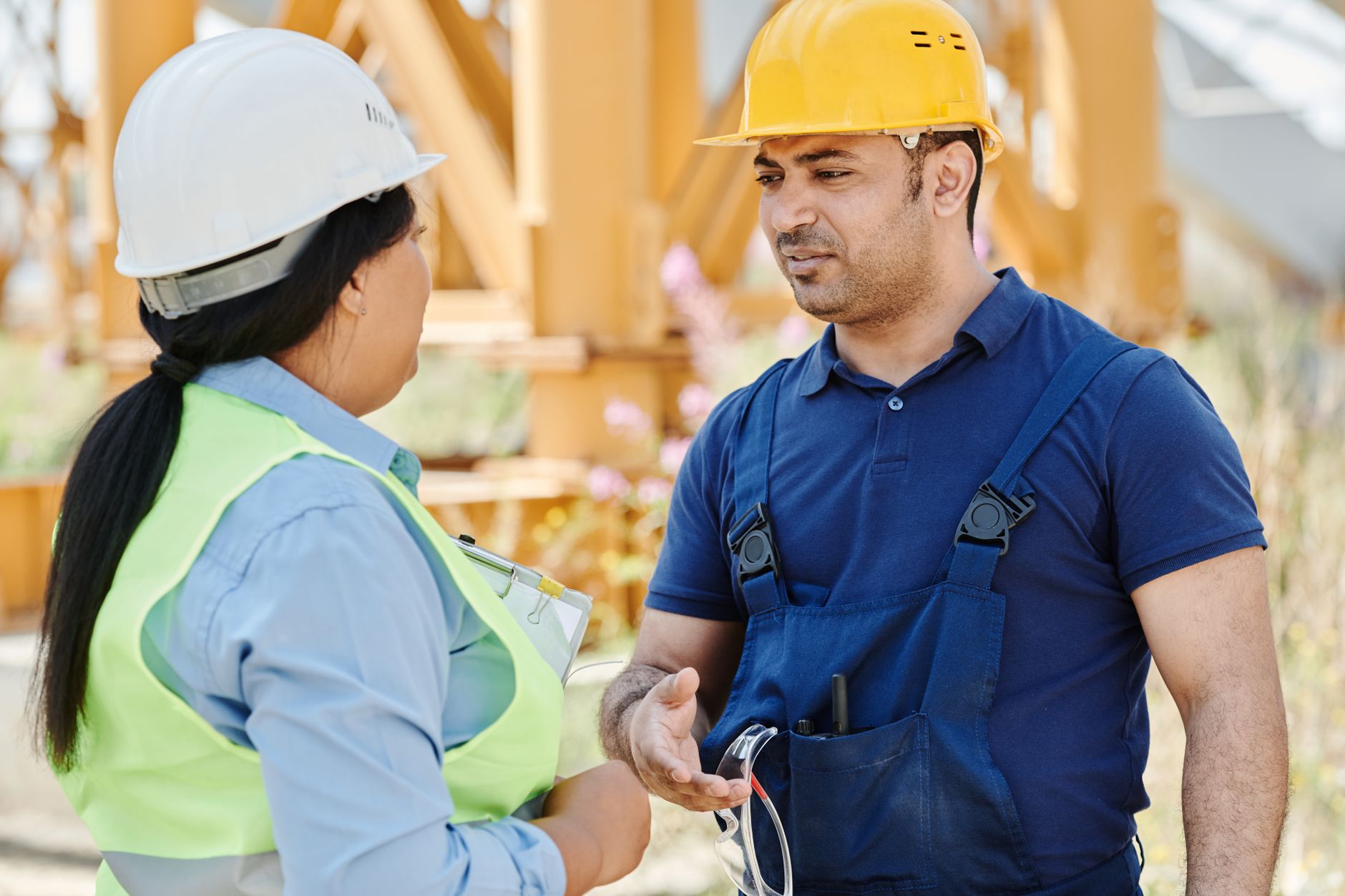
Un trabajador que habla español puede recibir ese mensaje en español, responder en español y que su respuesta se traduzca automáticamente al inglés para el patrón.
Ninguno de los dos tiene que copiar mensajes en otra aplicación de traducción. Nadie necesita buscar a un amigo bilingüe que le ayude. La conversación puede seguir de forma natural.
Esa función, que parece sencilla, puede tener un gran impacto. Las preguntas sobre el pago, las herramientas, el transporte, cuánto va a durar la chamba, el lugar, las responsabilidades y el horario se pueden platicar antes de que alguien llegue a la chamba.
La diferencia de idioma sigue ahí, pero la barrera de comunicación se vuelve mucho más pequeña.
Mejor comunicación significa mejores chambas
La comunicación clara es importante en cualquier lugar de trabajo, pero lo es más en situaciones de trabajo temporal y por día. Muchas de estas chambas se mueven rápido.
Un contratista puede necesitar de repente a dos trabajadores más para la mañana siguiente. Un dueño de casa podría necesitar ayuda para limpiar el patio antes de empezar un proyecto. Un administrador de propiedades puede necesitar una cuadrilla de limpieza después de que un inquilino se mude. Puede que no haya tiempo para un proceso de contratación largo.
Cuando los trabajadores y los patrones se pueden comunicar de inmediato, pueden definir rápido los detalles básicos para evitar malentendidos después:
- ¿Cuánto paga la chamba?
- ¿Cuánto tiempo se espera que dure el trabajo?
- ¿Qué tipo de trabajo se va a hacer?
- ¿Se entregan las herramientas?
- ¿El trabajador necesita transporte?
- ¿A qué hora debe llegar el trabajador?
- ¿Dónde se van a ver?
- ¿Cómo se va a hacer el pago?
Estas preguntas suenan sencillas, pero las expectativas poco claras pueden convertirse rápido en desacuerdos. La traducción en tiempo real les da a ambas partes una mejor oportunidad de entender la chamba antes de empezar.
Un grupo más grande de trabajadores para los patrones
La tecnología de traducción no solo beneficia a los trabajadores. También les da a los patrones acceso a un grupo de trabajadores mucho más grande.
California es uno de los lugares con mayor diversidad de idiomas en el país. Muchos trabajadores con experiencia hablan español como su idioma principal, mientras que otros hablan idiomas de comunidades de todo el mundo.
Un patrón que solo toma en cuenta a trabajadores que hablan inglés fluido puede estar descartando sin saberlo a mucha gente calificada antes de siquiera ver sus habilidades.
La traducción en tiempo real cambia la pregunta de “¿Este trabajador habla inglés?” a “¿Podemos comunicarnos lo suficientemente bien como para sacar la chamba adelante?”. Esas son preguntas muy diferentes.
Para muchos tipos de trabajo manual, la segunda pregunta es la que más importa. Un contratista que busca ayuda para demolición le puede importar mucho más si alguien es confiable y tiene experiencia que si esa persona puede llevar una conversación perfecta en inglés. Un dueño de casa que contrata ayuda para una mudanza puede preocuparse más por la confiabilidad, la fuerza, el cuidado con las cosas y que lleguen a tiempo.
La tecnología hace que sea más fácil enfocarse en esas cualidades.
Más independencia para los trabajadores
Las barreras del idioma también pueden obligar a los trabajadores a depender mucho de otras personas. Un trabajador puede depender de un compañero bilingüe para comunicarse con los patrones, negociar el pago, entender las instrucciones de la chamba o responder mensajes. Eso puede limitar su independencia.
Con la traducción automática, los trabajadores pueden comunicarse directamente con los patrones. Pueden hacer preguntas, aclarar expectativas, hablar sobre su disponibilidad, negociar detalles de la chamba y decidir si la oportunidad les conviene.
Esa conexión directa les da a los trabajadores más control sobre sus propias decisiones laborales. También reduce las posibilidades de que la información importante se pierda o cambie al pasar por otra persona.
La tecnología de traducción no es perfecta
La traducción automática no es infalible. Ciertas palabras coloquiales, términos técnicos, expresiones regionales o instrucciones complicadas todavía pueden malinterpretarse.
Para instrucciones de seguridad importantes o trabajos muy técnicos, los patrones siempre deben asegurarse de que todos entiendan claramente lo que se espera. Usar un lenguaje sencillo ayuda. Las frases cortas ayudan. Las fotos pueden ayudar. Confirmar los detalles importantes antes de que empiece la chamba puede ayudar.
La tecnología debe apoyar la comunicación, no reemplazar los buenos hábitos de comunicación. Pero incluso con esas limitaciones, la traducción en tiempo real representa una gran mejora frente a las alternativas que existían hace apenas unos años.
Construyendo un mercado laboral más accesible
El mercado laboral funciona mejor cuando los patrones pueden encontrar a la gente que necesitan y los trabajadores pueden encontrar oportunidades que se ajusten a sus habilidades. El idioma no debería impedir esas conexiones sin necesidad.
At ChambaNOW, real-time English and Spanish translation is built directly into messaging between workers and hirers. Each person can communicate in the language they are most comfortable using while the platform handles the translation. The goal is simple: make it easier for people to work together.
A Spanish-speaking worker should not lose an opportunity simply because the hirer speaks English. An English-speaking homeowner should not have to pass over an experienced worker simply because they are worried about communication. Technology can bridge that gap.
And as real-time translation continues to improve, the question employers ask may increasingly stop being, “Does this person speak my language?” Instead, the question can finally become the one that matters: Is this the right person for the job?
Written by Barry Graham, Founder, ChambaNOW
Construyendo conocimiento que funciona.

