







































FEATURED ARTICLE

Maximizing Your Workforce Efficiency with Smart Hiring Solutions

Delays cost money, time, and client trust. How on-demand hiring, better matching, and direct communication help contractors and homeowners staff every job fast and stay flexible.

Maximizing Your Workforce Efficiency with Smart Hiring Solutions

LATEST ARTICLES

VIEW ALL ARTICLES
How Do You Get MSHA Training to Work at a Mine?
Safety & Training

How Do You Get MSHA Training to Work at a Mine?

To work at a mine, you need MSHA-required new miner training, which the mine operator must provide and pay for.

NOV 22, 2026·6 MIN READ
How Much Does Forklift Certification Cost, and Can You Get It Free?
Pay & Benefits

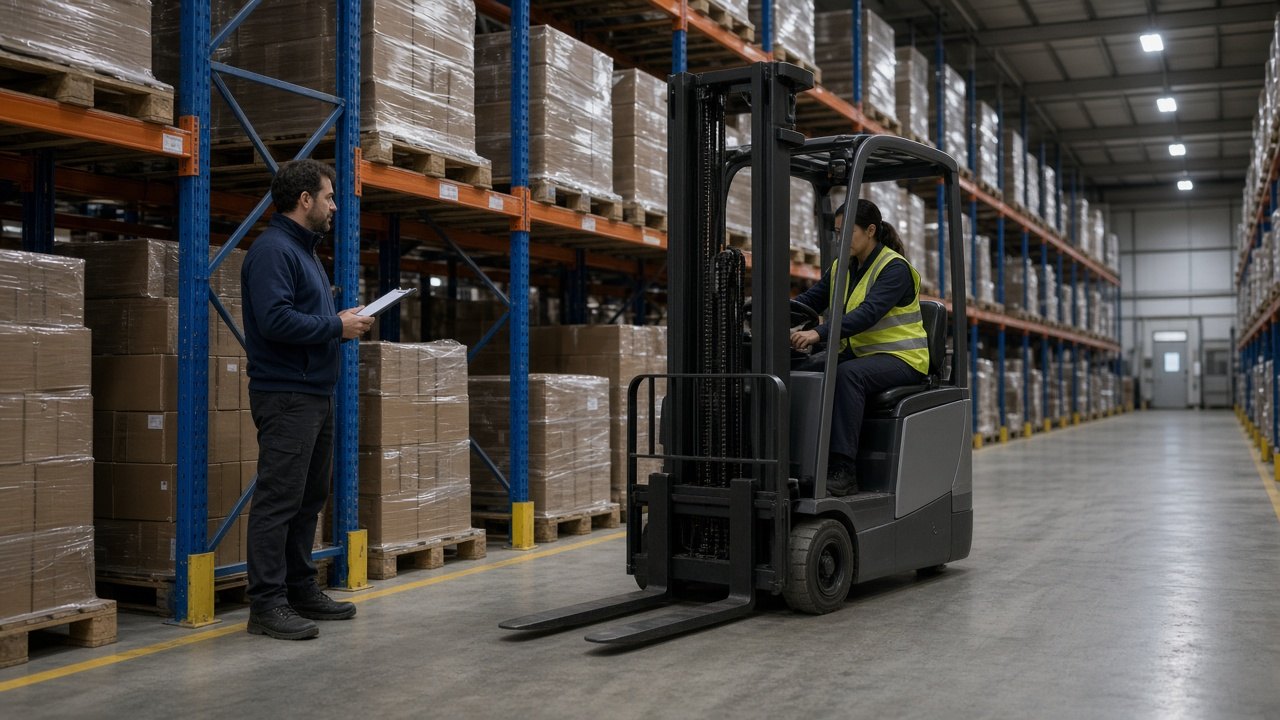
How Much Does Forklift Certification Cost, and Can You Get It Free?

Forklift certification is often free for workers because OSHA requires employers to train and evaluate operators.

NOV 21, 2026·6 MIN READ
How Do You Get Aerial Lift and Scissor Lift Certified?
Safety & Training

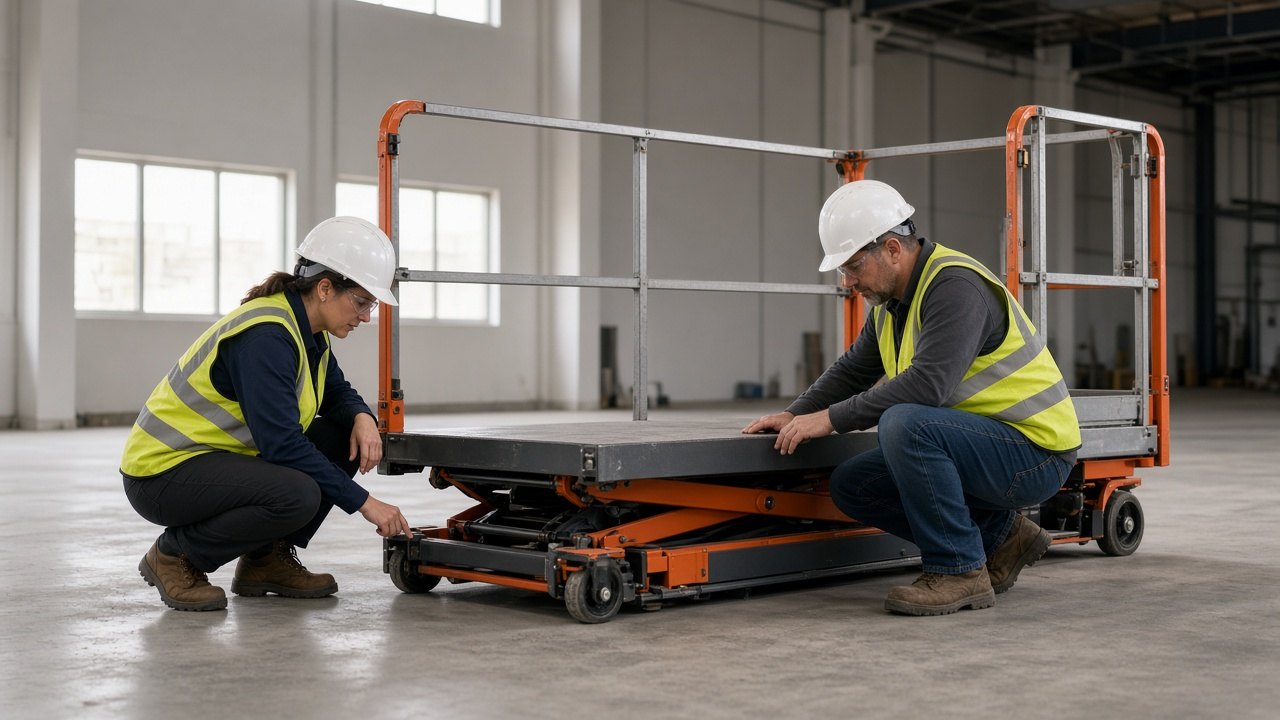
How Do You Get Aerial Lift and Scissor Lift Certified?

Aerial and scissor lift certification comes from employer training and a hands-on skills demonstration on the lift.

NOV 21, 2026·6 MIN READ
How Do You Get Flagger Certification?
Safety & Training

How Do You Get Flagger Certification?

To get flagger certification, take a state-approved flagger course, pass the exam, and carry the card on the job.

NOV 20, 2026·6 MIN READ
What Trade Certifications Can You Get in a Month or Less?
Safety & Training

What Trade Certifications Can You Get in a Month or Less?

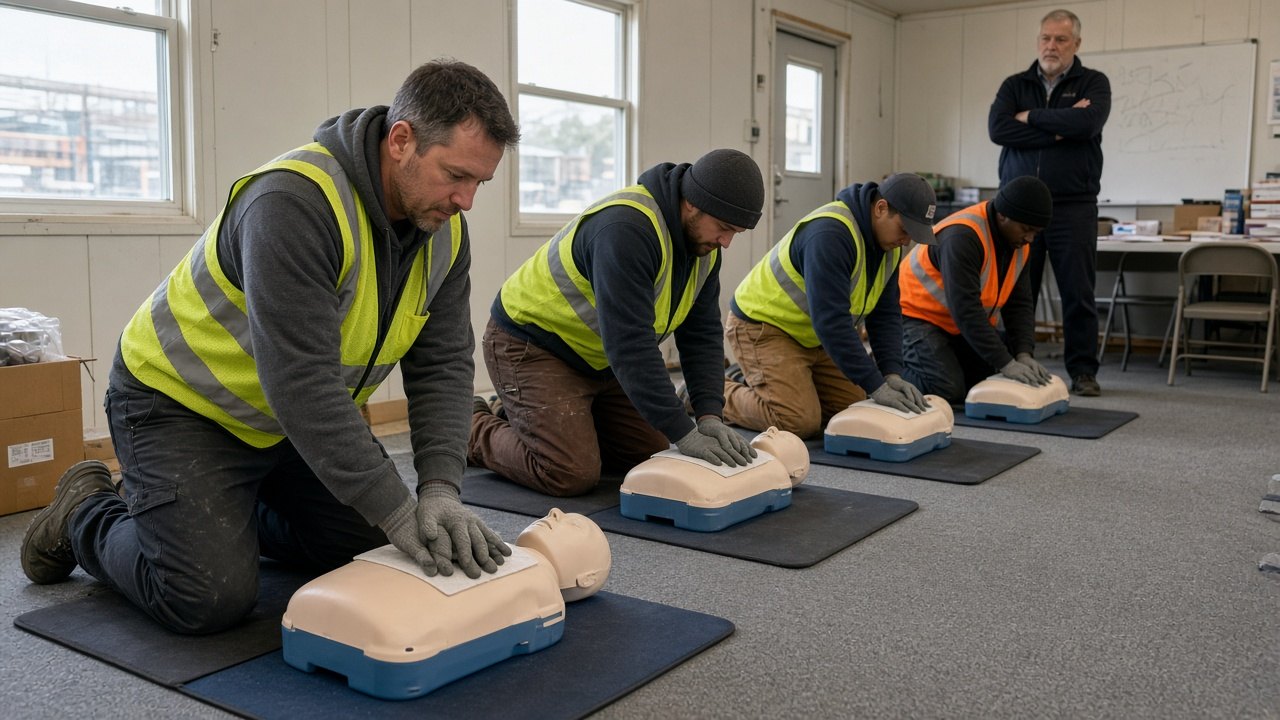
Quick credentials like OSHA 10, CPR, flagger, and EPA 608 can help, but they do not guarantee higher pay.

NOV 19, 2026·6 MIN READ
How Can You Get Free Trade School Training Through WIOA, Job Corps, or Workforce Pell?
Safety & Training

How Can You Get Free Trade School Training Through WIOA, Job Corps, or Workforce Pell?

Free or low-cost trade training may come through WIOA, Job Corps, Workforce Pell, or employer programs if you qualify.

NOV 18, 2026·6 MIN READ
How Do You Become a Heavy Equipment Operator?
Tools & Equipment

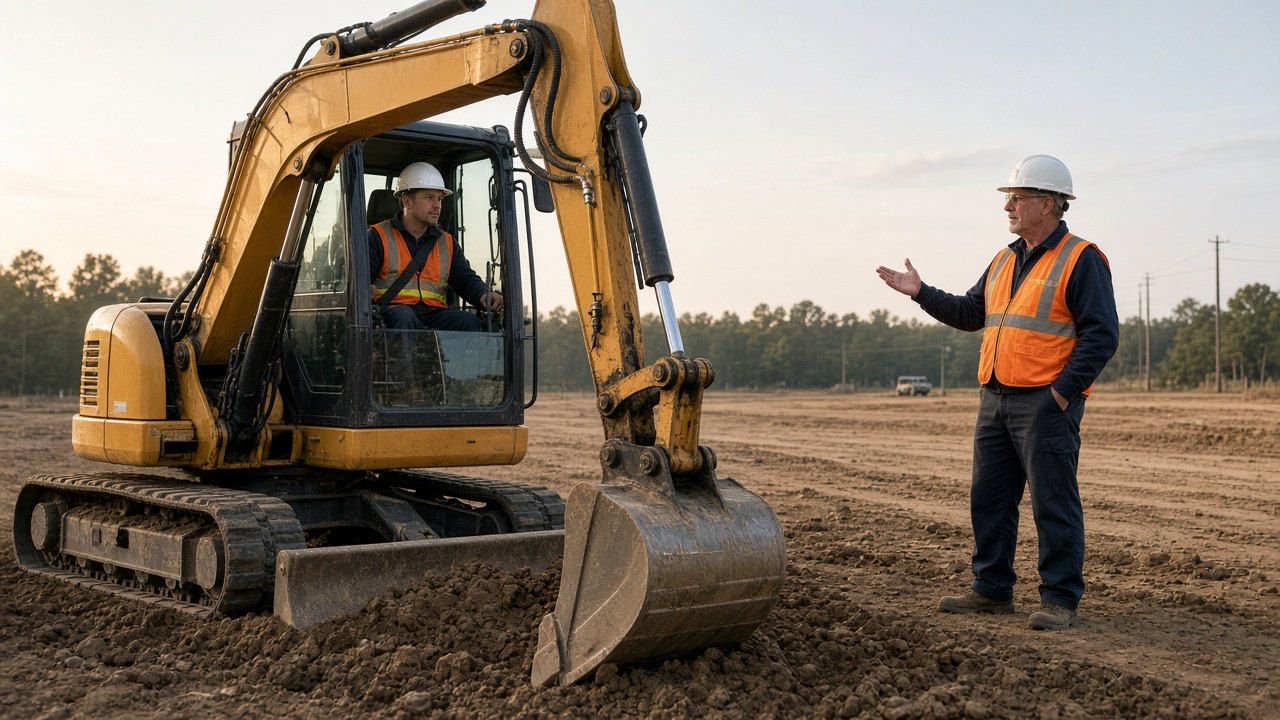
How Do You Become a Heavy Equipment Operator?

Most heavy equipment operators learn through on-the-job training, an apprenticeship, or a vocational school program.

NOV 18, 2026·6 MIN READ
How Do You Become a Crane Operator? NCCCO Certification Explained
Safety & Training

How Do You Become a Crane Operator? NCCCO Certification Explained

To become a crane operator, gain related experience, earn accredited certification, and pass an employer evaluation.

NOV 17, 2026·6 MIN READ
How Do You Become a Plumber? Apprenticeship and License Steps
Starting Your Contractor Business

How Do You Become a Plumber? Apprenticeship and License Steps

A plumbing apprenticeship pairs paid supervised work with classroom instruction and leads toward a plumbing license.

NOV 16, 2026·6 MIN READ
How Do You Become an Electrician? Apprenticeship and License Steps
Starting Your Contractor Business

How Do You Become an Electrician? Apprenticeship and License Steps

To become an electrician, complete an apprenticeship or approved training and meet your state's licensing rules.

NOV 16, 2026·6 MIN READ
How Do You Get a Welding Certification?
Safety & Training

How Do You Get a Welding Certification?

AWS Certified Welder status comes from passing a hands-on welding test at an accredited test facility.

NOV 15, 2026·6 MIN READ
How Do You Get EPA 608 Certification for HVAC Work?
Safety & Training

How Do You Get EPA 608 Certification for HVAC Work?

You earn EPA 608 certification by passing approved refrigerant exams that match the equipment you will service.

NOV 14, 2026·6 MIN READ
What Is NCCER Certification, and How Do You Get It?
Safety & Training

What Is NCCER Certification, and How Do You Get It?

NCCER certification shows that you finished standardized construction training or passed an NCCER craft assessment.

NOV 13, 2026·6 MIN READ
What Is OSHA 30, and Is It Worth It Over OSHA 10?
Safety & Training

What Is OSHA 30, and Is It Worth It Over OSHA 10?

OSHA 30 is a voluntary safety-training card for supervisors or workers with safety responsibilities, not a license.

NOV 13, 2026·6 MIN READ
What Is an HGV Licence, and How Is It Different From a CDL?
Starting Your Contractor Business

What Is an HGV Licence, and How Is It Different From a CDL?

An HGV licence is the UK route for driving lorries, while a CDL is the US commercial license system.

NOV 12, 2026·6 MIN READ
How Do You Pass the CDL Permit Test?
Starting Your Contractor Business

How Do You Pass the CDL Permit Test?

To pass the CDL permit test, study your state handbook, practice weak topics, and check required knowledge tests.

NOV 11, 2026·6 MIN READ
How Do You Get Hazmat and Tanker Endorsements on a CDL?
Safety & Training

How Do You Get Hazmat and Tanker Endorsements on a CDL?

Hazmat and tanker endorsements require state knowledge tests, and hazmat also needs required training and screening.

NOV 11, 2026·6 MIN READ
How Can You Get Free or Company-Paid CDL Training?
Safety & Training

How Can You Get Free or Company-Paid CDL Training?

You may find funded CDL training through employers or workforce programs, but eligibility and repayment terms vary.

NOV 10, 2026·6 MIN READ
How Long Is a Forklift Certification Good For, and Does It Transfer?
Safety & Training

How Long Is a Forklift Certification Good For, and Does It Transfer?

Forklift operators need workplace evaluations at least every three years and refresher training when problems arise.

NOV 9, 2026·6 MIN READ
CDL Class A vs. Class B: Which License Should You Get?
Starting Your Contractor Business

CDL Class A vs. Class B: Which License Should You Get?

Choose a Class A or B CDL by matching the truck, trailer, training, and tests to your target job.

NOV 9, 2026·6 MIN READ
Do I Have to Provide Safety Gear When I Hire Day Laborers?
Work Opportunities

Do I Have to Provide Safety Gear When I Hire Day Laborers?

Employers generally must pay for most required safety gear, and homeowners should still keep the site safe.

NOV 8, 2026·6 MIN READ
How Do I Hire Labor for a Small Concrete Patio or Walkway?
Starting Your Contractor Business

How Do I Hire Labor for a Small Concrete Patio or Walkway?

A small patio or walkway pour goes better when you hire labor and plan the work before the truck arrives.

NOV 7, 2026·6 MIN READ
How Do I Hire Help for Spring Yard Cleanup and Mulching?
Starting Your Contractor Business

How Do I Hire Help for Spring Yard Cleanup and Mulching?

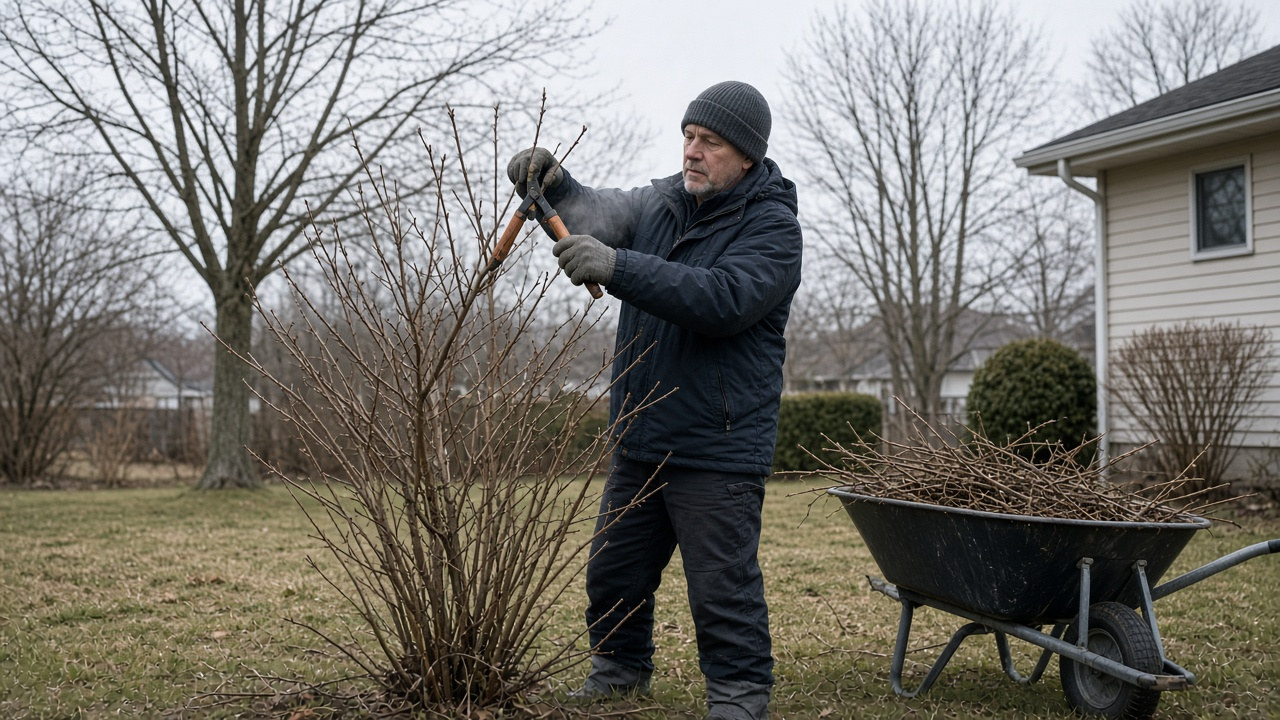
Spring yard cleanup and mulching are short labor jobs you can hire out before the growing season starts.

NOV 6, 2026·6 MIN READ
Can I Hire Someone to Paint Indoors During the Winter?
Starting Your Contractor Business

Can I Hire Someone to Paint Indoors During the Winter?

Yes, you can hire indoor painting help in winter, when the house is closed up and outdoor work is slow.

NOV 6, 2026·6 MIN READ
Is January a Good Time to Hire Movers?
Starting Your Contractor Business

Is January a Good Time to Hire Movers?

January can be a good time to hire movers, because it is often slower than the summer moving season.

NOV 5, 2026·6 MIN READ
How Do I Hire Help for a One-Time House Deep Clean?
Starting Your Contractor Business

How Do I Hire Help for a One-Time House Deep Clean?

A one-time house deep clean goes better when you hire help with a clear list and ready supplies.

NOV 4, 2026·6 MIN READ
What Roofing Work Can a Helper Do, and When Do I Need a Licensed Roofer?
Starting Your Contractor Business

What Roofing Work Can a Helper Do, and When Do I Need a Licensed Roofer?

A helper can assist on a roof, but licensed roofing work should stay with a qualified roofer.

NOV 4, 2026·6 MIN READ
How Many Helpers Do I Need to Hang Drywall in a Room?
Starting Your Contractor Business

How Many Helpers Do I Need to Hang Drywall in a Room?

Hanging drywall in a typical room usually takes two people, because the boards are heavy and awkward.

NOV 3, 2026·7 MIN READ
Can I Hire a Laborer to Paint a Room, or Do I Need a Painter?
Starting Your Contractor Business

Can I Hire a Laborer to Paint a Room, or Do I Need a Painter?

A laborer can help paint a simple room, but a painter is better when the finish really has to last.

NOV 2, 2026·6 MIN READ
Where Can Day Laborers Get Free Job Training and Safety Classes?
Safety & Training

Where Can Day Laborers Get Free Job Training and Safety Classes?

Day laborers can find free training and safety classes at public job centers and official OSHA programs.

NOV 1, 2026·6 MIN READ
When Do You Need a Licensed Plumber vs. a Plumbing Helper?
Starting Your Contractor Business

When Do You Need a Licensed Plumber vs. a Plumbing Helper?

You need a licensed plumber for most pipe work, and a helper only for the labor around that job.

NOV 1, 2026·6 MIN READ
How Do You Become a Plumber’s Helper?
Pay & Benefits

How Do You Become a Plumber’s Helper?

You can become a plumber's helper by learning the basics, working carefully, and asking a plumber for work.

OCT 31, 2026·7 MIN READ
How Do You Find Snow Removal Jobs This Winter?
Starting Your Contractor Business

How Do You Find Snow Removal Jobs This Winter?

Snow removal jobs show up every winter, and you can find them if you prepare early and stay ready.

OCT 30, 2026·6 MIN READ
What Indoor Labor Jobs Can You Find When Outdoor Work Slows Down?
Starting Your Contractor Business

What Indoor Labor Jobs Can You Find When Outdoor Work Slows Down?

When outdoor work slows down, indoor jobs in painting, drywall, cleaning, and remodels can fill the gap.

OCT 30, 2026·6 MIN READ
How Do You Get House Cleaning Jobs With Little Experience?
Starting Your Contractor Business

How Do You Get House Cleaning Jobs With Little Experience?

You can get house cleaning jobs with little experience if you are thorough, reliable, and ready to work.

OCT 29, 2026·7 MIN READ
What Does a Concrete Laborer Do, and How Do You Get Hired?
Work Opportunities

What Does a Concrete Laborer Do, and How Do You Get Hired?

A concrete laborer helps set forms, pour, and finish, and you can get hired without a long resume.

OCT 28, 2026·6 MIN READ
How Do You Get Landscaping Work in the Winter?
Starting Your Contractor Business

How Do You Get Landscaping Work in the Winter?

Winter landscaping work is real, from pruning and cleanup to snow help, if you know where to look.

OCT 27, 2026·6 MIN READ
How Do You Get Roofing Helper Jobs, and What Safety Training Do You Need?
Safety & Training

How Do You Get Roofing Helper Jobs, and What Safety Training Do You Need?

Roofing helper jobs come easier when you know the work, the risks, and the safety training crews expect.

OCT 27, 2026·6 MIN READ
How Do You Become a Painter’s Helper?
Starting Your Contractor Business

How Do You Become a Painter’s Helper?

A painter's helper gets hired by doing careful prep work and showing they can follow directions.

OCT 26, 2026·7 MIN READ
Refreshing a Vacant Unit Before Showings: Labor Property Managers Can Hire
Starting Your Contractor Business

Refreshing a Vacant Unit Before Showings: Labor Property Managers Can Hire

A vacant unit can be photo-ready for showings with a light refresh even when full make-ready is done.

OCT 25, 2026·6 MIN READ
How Do You Get Hired as a Drywall Helper?
Starting Your Contractor Business

How Do You Get Hired as a Drywall Helper?

You can get hired as a drywall helper by learning the basics, arriving ready, and asking crews for work.

OCT 25, 2026·7 MIN READ
Common-Area Upkeep for Property Managers: Walkways, Trash Rooms, and Curb Appeal
Safety & Training

Common-Area Upkeep for Property Managers: Walkways, Trash Rooms, and Curb Appeal

Common-area upkeep is regular labor for walkways, trash rooms, and curb appeal, not a unit turnover.

OCT 24, 2026·6 MIN READ
Organizing an Attic, Basement, or Shed: When to Hire Labor
Starting Your Contractor Business

Organizing an Attic, Basement, or Shed: When to Hire Labor

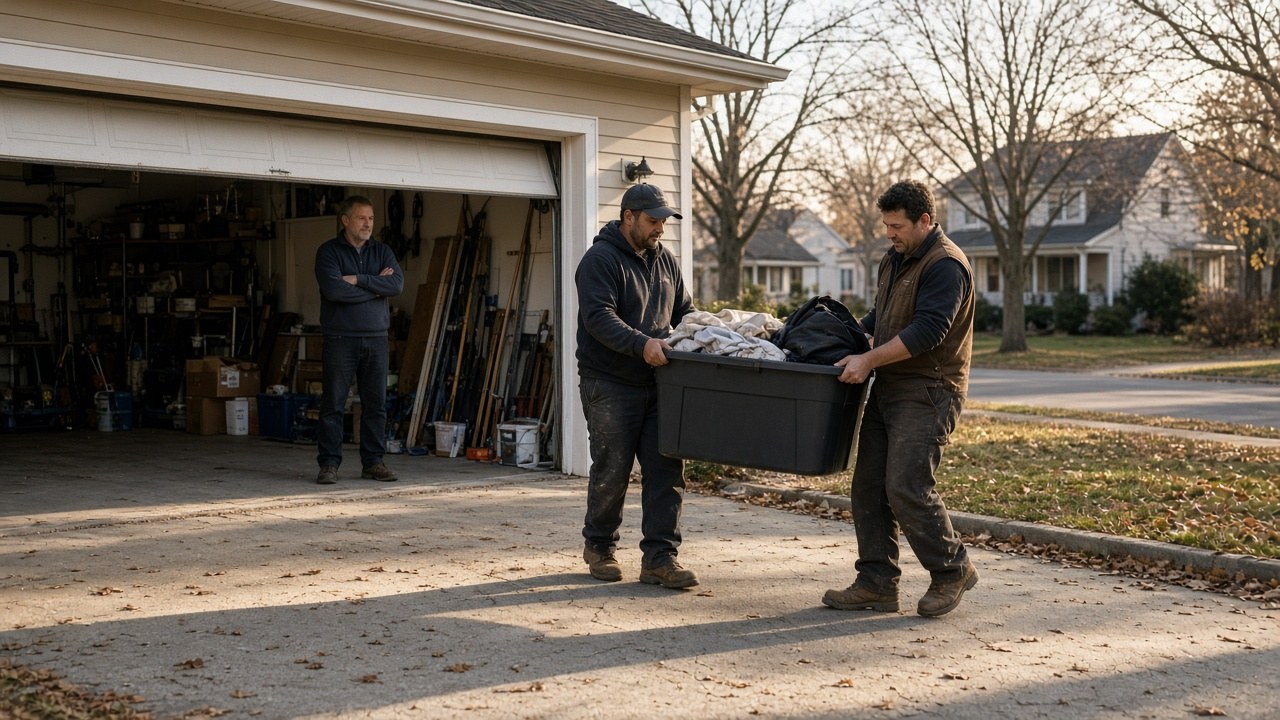
Hiring labor to organize an attic, basement, or shed works best when you sort first and haul second.

OCT 23, 2026·6 MIN READ
When a Weekend DIY Project Needs a Hired Helper
Starting Your Contractor Business

When a Weekend DIY Project Needs a Hired Helper

A weekend DIY project is a good time to hire a helper when the work gets heavy or runs long.

OCT 22, 2026·6 MIN READ
Getting a Home Photo-Ready for a Listing or Showing
Starting Your Contractor Business

Getting a Home Photo-Ready for a Listing or Showing

A home photographs better for a listing or showing after clutter is cleared and rooms are staged.

OCT 22, 2026·6 MIN READ
Closing Out a Job: Punch-List and Site-Cleanup Labor for Contractors
Starting Your Contractor Business

Closing Out a Job: Punch-List and Site-Cleanup Labor for Contractors

Closing out a job goes faster when punch-list work and site cleanup have their own labor plan.

OCT 21, 2026·6 MIN READ
Extra Hands for Material Staging and End-of-Day Cleanup
Tools & Equipment

Extra Hands for Material Staging and End-of-Day Cleanup

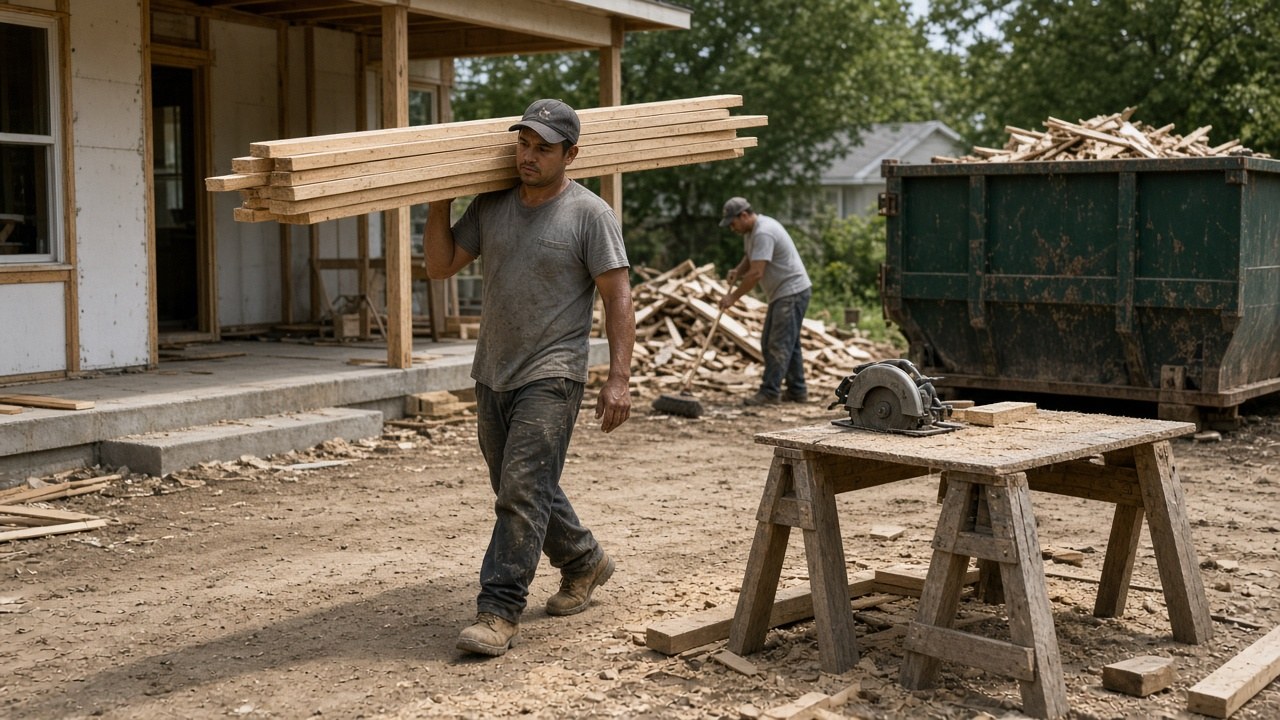
A laborer who stages materials and cleans at day's end can keep skilled trades moving faster.

OCT 20, 2026·6 MIN READ
Briefing Temporary Helpers on a Contractor’s Jobsite
Starting Your Contractor Business

Briefing Temporary Helpers on a Contractor’s Jobsite

A clear morning briefing helps a temporary helper start safely and stay useful throughout the day.

OCT 20, 2026·6 MIN READ
Weekend, Evening, and Holiday Labor: What’s Realistic to Book?
Work Opportunities

Weekend, Evening, and Holiday Labor: What’s Realistic to Book?

Weekend, evening, and holiday labor is often available, though the pay and notice usually change.

OCT 19, 2026·6 MIN READ
Is It Cheaper to Hire Day Laborers Than a Moving Company?
Work Opportunities

Is It Cheaper to Hire Day Laborers Than a Moving Company?

Labor-only helpers can cost less than a moving company, but only if you supply the truck and plan.

OCT 18, 2026·6 MIN READ
No English? No Problem: How Real-Time Translation Is Changing the Labor Market
Immigration Help

No English? No Problem: How Real-Time Translation Is Changing the Labor Market

For millions of workers and employers, the biggest obstacle to getting a job done isn't skill or experience — it's language. Here's how real-time English–Spanish translation is quietly removing that barrier and opening up the labor market for everyone.

NOV 16, 2026·6 MIN READ
Nobody Showed Up for the Job. Now What?
Work Opportunities

Nobody Showed Up for the Job. Now What?

A no-show can delay an entire project, cost money, and wreck your morning. Here's how hirers can recover fast when a worker doesn't show — and the simple habits that prevent it from happening again.

NOV 15, 2026·8 MIN READ
What Hirers Wish Every Day Laborer Knew Before Showing Up
Work Opportunities

What Hirers Wish Every Day Laborer Knew Before Showing Up

For day laborers, getting hired is only the first step. What turns a one-day job into repeat work is what happens after you accept it. Here's what hirers wish every worker knew before showing up.

NOV 13, 2026·9 MIN READ
Optimizing Workforce Management for Local Businesses
Starting Your Contractor Business

Optimizing Workforce Management for Local Businesses

How local businesses in Champaign-Urbana can manage a flexible workforce, tap real-time hiring, and use technology to run leaner, more responsive operations — and why smart presentation complements a well-run team.

OCT 31, 2026·4 MIN READ
How Real-Time Hiring Enhances Property Management Efficiency
Starting Your Contractor Business

How Real-Time Hiring Enhances Property Management Efficiency

Property managers live and die by fast, reliable responses. How real-time hiring platforms like ChambaNOW help you mobilize skilled labor instantly, cut costs, and keep tenants satisfied — from everyday maintenance to luxury developments.

OCT 17, 2026·4 MIN READ
A Message to Our Workers
Worker Protection

A Message to Our Workers

Your privacy matters. Your safety matters. Your dignity matters. A promise from ChambaNOW to every worker — and how to report a hirer who treats you unfairly.

JUL 3, 2026·3 MIN READ

MORE ARTICLES

Field Service Staffing That Keeps Jobs Moving

Field Service Staffing That Keeps Jobs Moving

A missing technician, installer, laborer, or maintenance worker can change the entire day. A crew gets smaller, a site visit gets pushed back, overtime rises, and a customer starts asking for answers. Field service staffing is not just a recruiting task. It is an operations decision that affects schedules, safety, service quality, and revenue.

For contractors, facilities teams, property operators, and service businesses, the goal is simple: get qualified people to the work quickly without lowering the standard for who shows up. That takes a hiring process built for real field conditions, not a process designed for jobs that can stay open for weeks.

Why field service staffing is different

Field work has a clock on it. A vacant apartment needs turnover work before the next resident moves in. A construction phase cannot wait because one trade is short. A broken HVAC unit, plumbing issue, or electrical problem can become a customer-service failure within hours.

That urgency changes what employers need from staffing. A strong candidate on paper is not enough if they cannot get to the job, do not have the required experience, or are unavailable when the work starts. Employers need a clear view of skills, location, availability, and reliability before they commit.

The work itself also varies more than many hiring systems account for. A general labor role may require material handling and site cleanup today, then demolition support tomorrow. A maintenance position may need someone who can troubleshoot, communicate with tenants, document work, and follow property rules. The right person depends on the scope, the jobsite, and how much supervision the role requires.

That is why speed should not mean guessing. It should mean removing unnecessary delays while keeping the details that protect the job.

Start with the work, not the job title

Vague postings create slow, mismatched hiring. Calling for a “maintenance tech” or “construction worker” may bring responses, but it does not tell workers what success looks like on this specific assignment.

Before posting, define the work in practical terms. State what needs to be done, where it is located, when the worker must arrive, how long the assignment is expected to last, and whether the role is temporary, recurring, or likely to become long-term. Name the tools, certifications, physical requirements, and trade experience that are truly necessary.

Be honest about the conditions. If the job involves outdoor work, ladder use, occupied units, heavy lifting, travel between locations, or a strict start time, say so. The right workers appreciate clarity because it helps them decide quickly whether the opportunity fits.

A useful field-service posting answers the questions a worker would ask before accepting: What am I doing? Where am I going? When do I start? What skills do I need? What should I bring? Who will I report to?

When those answers are missing, employers spend more time sorting applicants, explaining basic details, and replacing workers who accepted a job they did not fully understand.

Build a ready pool before the emergency

Many labor gaps are predictable even when they feel urgent. Seasonal demand, new project phases, turnover schedules, weather events, contract wins, and employee time off can all create staffing pressure. The exact date may shift, but the need for additional hands often does not come out of nowhere.

Instead of starting from zero every time, keep a current list of workers by skill and service area. Separate the people who can take work immediately from those who may be available later. Track practical details such as prior job performance, preferred assignments, transportation, certifications, and the types of shifts they accept.

This does not mean every business needs a large internal recruiting department. It means someone should own the process of keeping worker information usable. A spreadsheet can help at a small scale. A digital marketplace can help when demand changes quickly or when you need access to workers outside your usual network.

The best talent pool is active, not forgotten. Check in after assignments, update availability, and reach out before your busy period hits. Workers are more likely to respond when they know the employer provides clear jobs, fair expectations, and timely communication.

Verify for the risk of the assignment

Verification matters in field service staffing, but the level of verification should match the work. A helper on a supervised cleanup assignment does not carry the same risk as a technician entering occupied homes, operating specialized equipment, or handling regulated work.

For every role, confirm identity, relevant experience, availability, and the ability to get to the location. For higher-risk assignments, review licenses, certifications, insurance requirements, safety training, background-screening needs, and client-specific rules. Do not wait until the worker is already at the gate to find a missing requirement.

The trade-off is real. Adding too many unnecessary hurdles can shrink the worker pool and delay the fill. Skipping essential checks can lead to safety incidents, customer complaints, failed inspections, or costly rework. The answer is not one standard process for every job. It is a repeatable process with the right checks for each type of work.

Verification should also include a basic reliability check. Ask for recent relevant experience, confirm the worker understands the start time and location, and make the first point of contact clear. A qualified worker who cannot find the site or reach a supervisor is still a staffing problem.

Make response time part of the process

When workers are needed quickly, slow communication is often the biggest bottleneck. A manager posts a job, waits for applications, reviews them at the end of the day, and then discovers the best candidates took other work. In high-demand trades and labor markets, good workers do not stay available for long.

Set a response standard for urgent roles. Decide who reviews candidates, who can approve a hire, and who sends job details. If the decision-maker is unavailable, assign a backup. A clear workflow prevents a qualified worker from sitting in limbo while the schedule keeps slipping.

Mobile-friendly communication matters because many field workers are not at a desk. Keep messages direct: assignment, location, start time, pay structure, required tools, and next step. Avoid sending workers through a long exchange just to learn whether the job is still open.

ChambaNow is built around this need for faster matching, giving employers a way to post jobs free and connect with verified trade and labor workers without relying only on calls, classified listings, or word of mouth. For employers with urgent staffing needs, the value is not more applications. It is faster access to people who match the work.

Treat workers like operating partners

A staffing strategy fails when it views workers as interchangeable. The people doing field work protect your schedule, represent your business at customer sites, and often spot problems before they become expensive. How you communicate with them affects whether they return for the next assignment.

Pay accurately and on time. Share changes as soon as possible. Provide the site contact, parking or access instructions, safety expectations, and a realistic description of the work. If a shift is canceled, do not disappear. Workers remember which employers respect their time.

Language access is part of this. In the US trade and labor market, many skilled workers communicate most comfortably in Spanish or use both English and Spanish on the job. Bilingual job details and clear instructions reduce confusion and widen access to qualified talent. This is not just an inclusion effort. It is a practical way to improve response rates and jobsite coordination.

Measure what affects the jobsite

Track more than how many people applied. The numbers that matter are time to fill, show-up rate, start-time reliability, assignment completion, repeat-worker rate, and the cost of overtime or delays avoided. If workers leave early or fail to return, look beyond the worker. The issue may be unclear scope, poor supervision, unsafe conditions, or pay that does not match the market.

Over time, these measures reveal which job types are hardest to fill, which locations create transportation problems, and which managers consistently get strong outcomes. That information lets you improve staffing before a gap becomes a project crisis.

The next urgent job will still happen. The difference is whether your team scrambles to find anyone, or can quickly connect the right worker to clear work, a prepared site, and a fair opportunity.

BROWSE BY TOPIC