






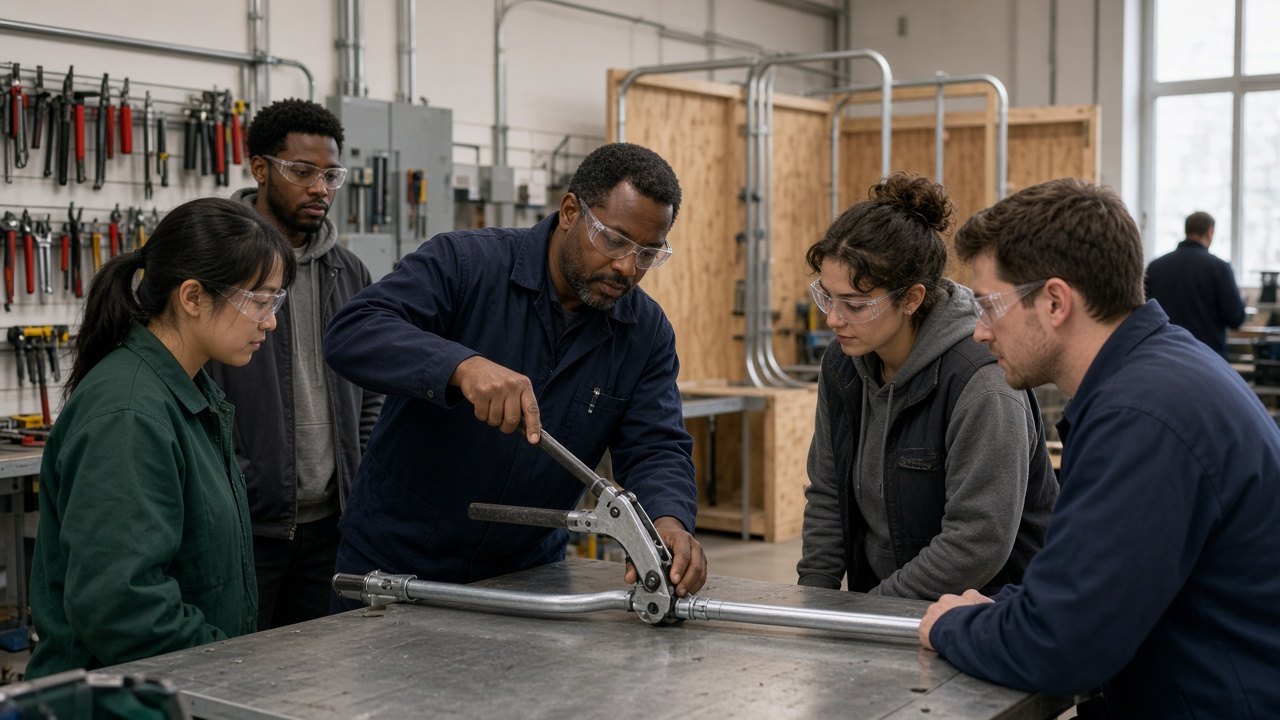
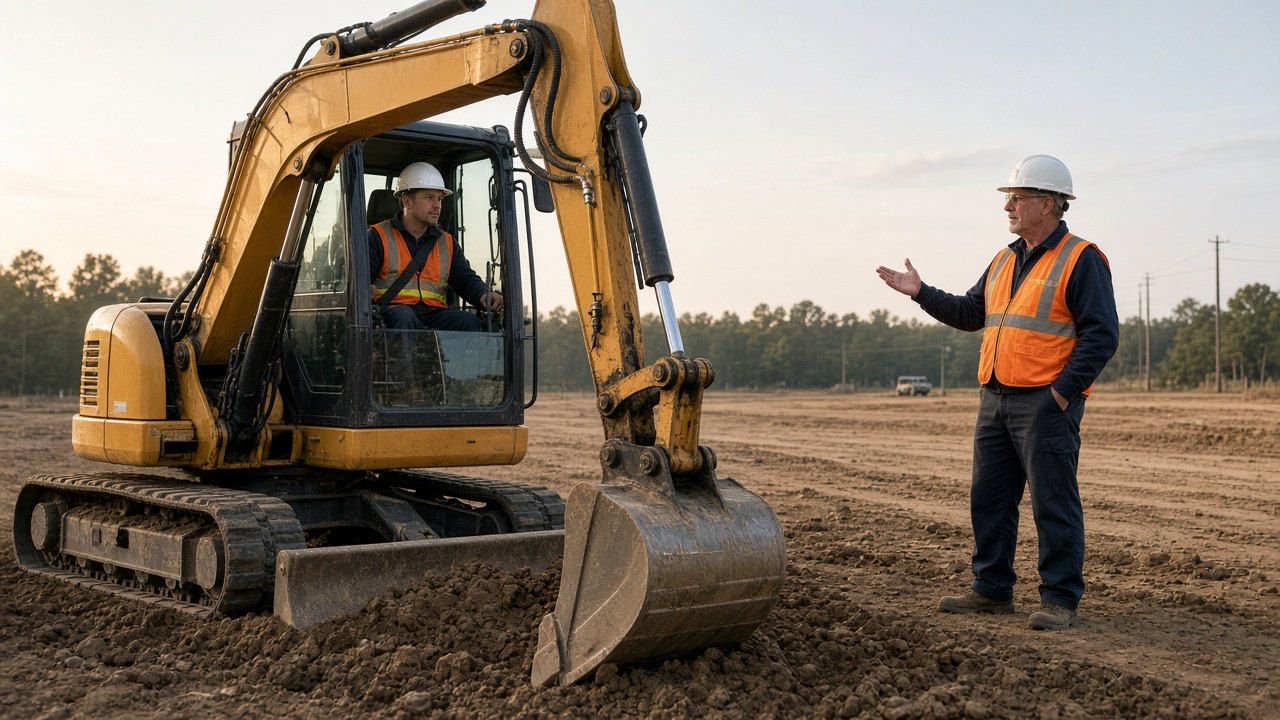
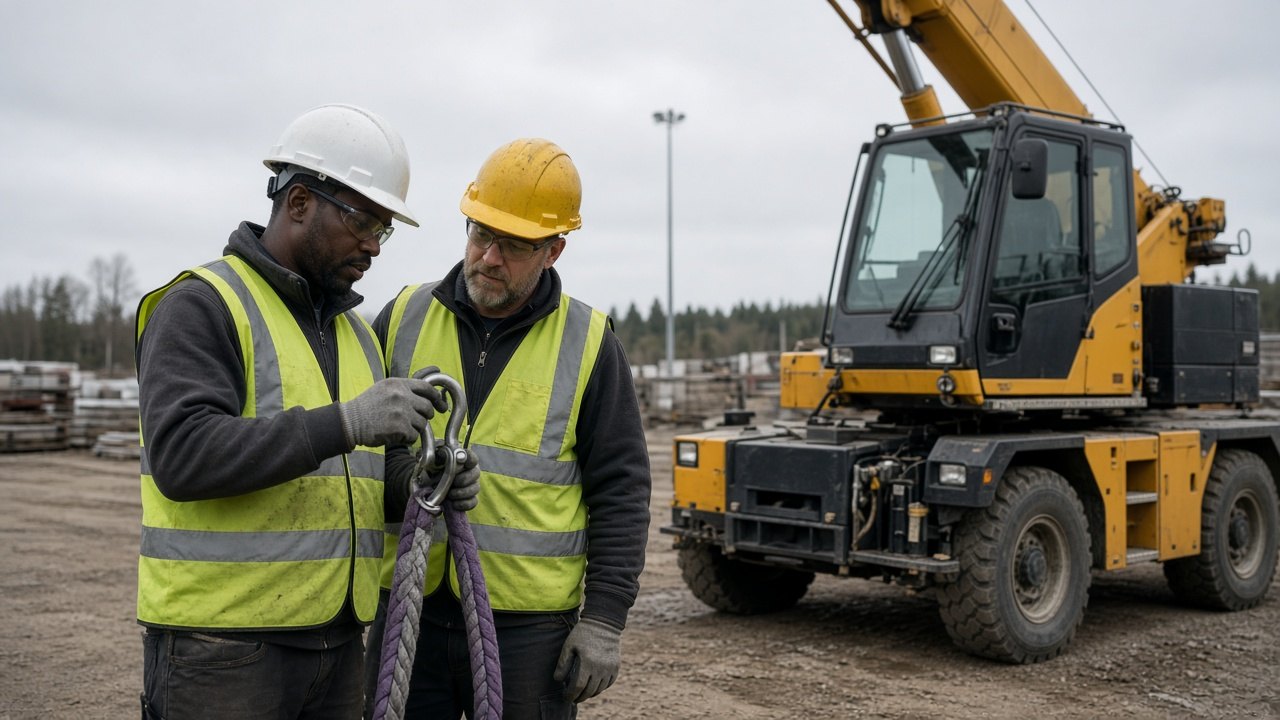
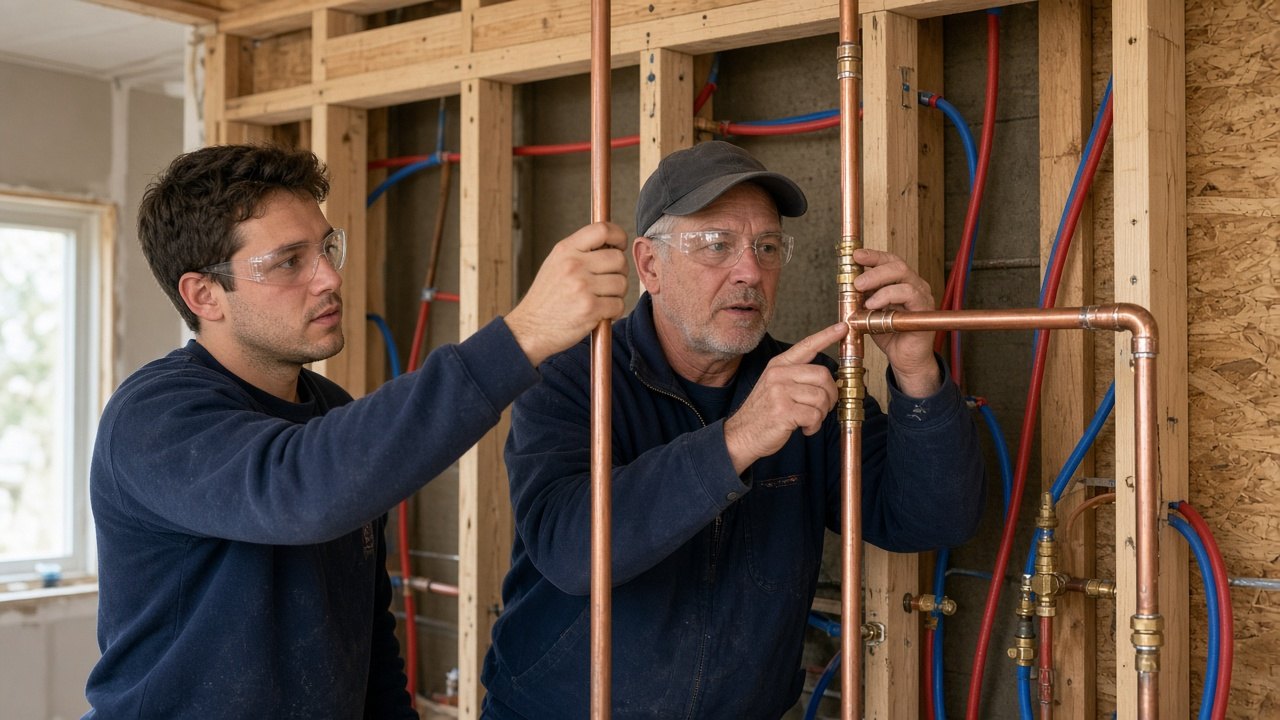








































A crew of six may look fine on a staffing plan. On site, one absent equipment operator, two unavailable finishers, or a missing HVAC installer can stop an entire sequence of work. That is the daily cost of the construction labor shortage: not just open roles, but lost production, missed inspections, overtime, and frustrated customers.
For contractors and facilities teams, the answer is not simply to post more ads and wait. Projects need a hiring process built for urgency. That means knowing which gaps can wait, which skills are critical, and how to connect with qualified workers before the schedule slips.
Why the construction labor shortage hits projects so hard
Construction staffing is different from office hiring. Labor needs change by phase, weather, subcontractor timing, material deliveries, and inspection schedules. A project may need general laborers this week, concrete finishers next week, and a reliable crew for punch-list work two weeks later.
When workers are hard to find, companies often carry the risk in expensive ways. Foremen spend time calling contacts instead of leading crews. Skilled workers are pulled into tasks below their trade level. Existing teams work longer hours to cover gaps, which can hurt quality and increase safety risks. In some cases, contractors turn down profitable work because they cannot confidently staff it.
The shortage also is not the same in every market. A commercial contractor may be short on specialized trades, while a property operator may need dependable maintenance workers on short notice. Rural markets can face fewer available workers overall. Fast-growing metro areas may have workers, but competition for them is intense. The right staffing response depends on the role, location, project duration, and how quickly someone must be on site.
The causes go beyond retirement
Experienced tradespeople retiring is part of the problem, but it is not the whole story. Many workers enter the industry through personal networks, which can make job access inconsistent. Others leave because schedules are unpredictable, pay is unclear, or they cannot see a path to better work.
Language can also create unnecessary friction. Spanish-speaking workers make up a major part of the US construction workforce, yet many job postings, screening processes, and onboarding materials are English-only. When an employer makes it difficult for qualified people to understand the opportunity or respond quickly, the available talent pool gets smaller.
Seasonality and local demand add another layer. One major project, storm recovery effort, or busy building season can absorb workers across a region. Companies that rely only on last-minute phone calls may find that their usual contacts are already committed.
Start with the work that cannot wait
Not every vacancy deserves the same response. Before hiring, break down the immediate need in plain terms: what work is blocked, what skill is required, how many people are needed, where the job is located, when the shift starts, and how long the assignment may last.
This step prevents a common mistake: searching for a broad job title when the project actually needs a specific capability. “Laborer” may mean site cleanup, material handling, demolition support, trench work, or traffic control. A clearer role description helps workers decide quickly whether they are a fit, and it gives hiring managers fewer unproductive conversations.
For urgent jobs, separate must-have requirements from preferences. A required certification, valid driver’s license, ability to operate equipment, or prior commercial-site experience belongs in the must-have category. Preferences such as years of experience with a specific brand of tool can often be discussed later. Overloading a posting with every nice-to-have can shrink the response pool when the real priority is getting capable people on site safely.
Make job details easy to act on
Workers often decide whether to respond in seconds. Vague postings create hesitation, especially when a worker is comparing several opportunities. Clear details show respect for their time and make your job easier to fill.
State the location, start date, shift hours, expected duration, pay range or pay structure, core tasks, and any required credentials. Explain whether workers need to bring personal protective equipment or tools. If the assignment could lead to ongoing work, say so. If it is one day of urgent support, be direct about that too.
Speed matters, but clarity matters just as much. A worker who accepts without understanding the job may not be the worker you need. A specific post reduces no-shows and helps the foreman receive people who are prepared for the actual work.
Respond while interest is high
The first qualified worker who responds may also be responding to several other employers. Delayed callbacks turn a staffing issue into a bidding war for attention. Set a clear owner for urgent hiring requests, whether that is the project manager, office manager, recruiter, or operations lead.
Keep screening focused. Confirm the worker’s relevant experience, availability, transportation, certifications where required, and ability to perform the essential tasks. Then move quickly to the next step. For short-term or immediate needs, a long chain of approvals can cost more than a faster, well-defined decision process.
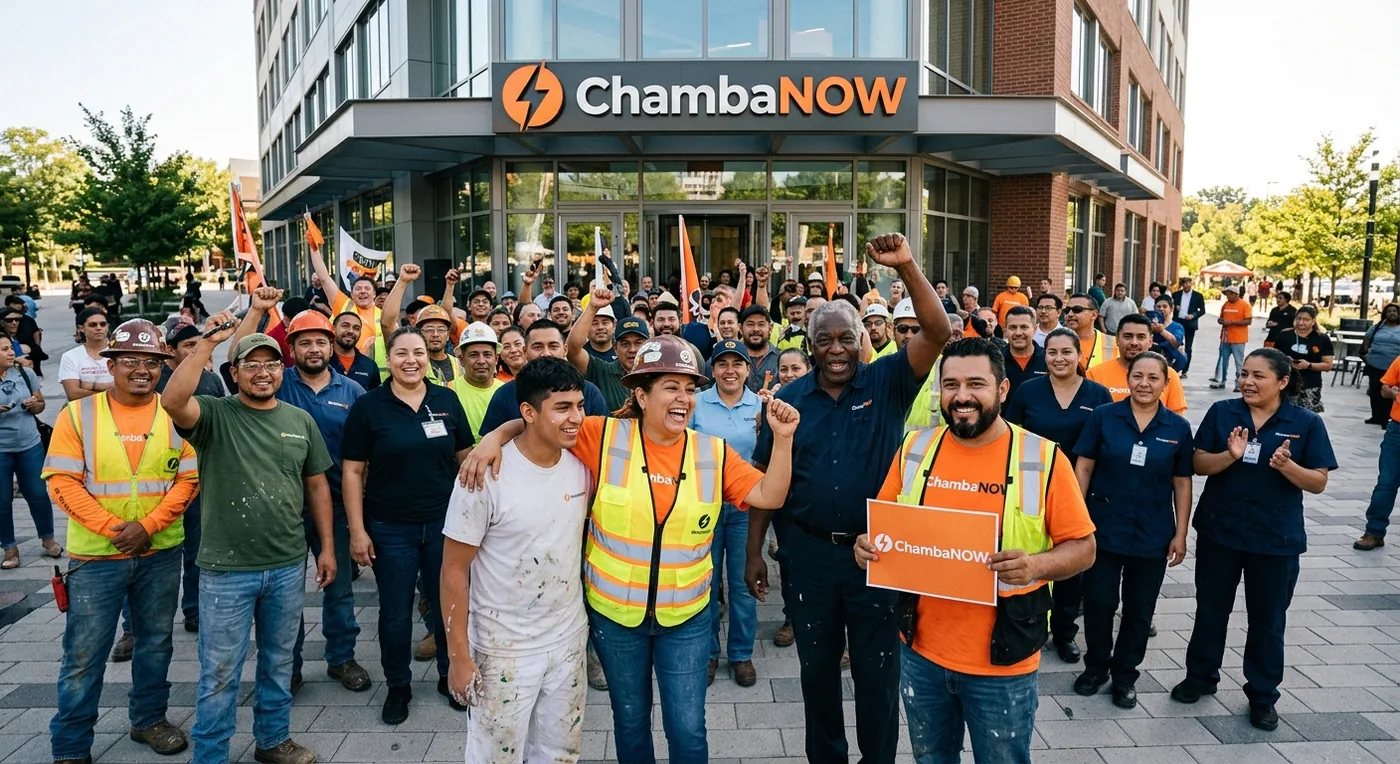
Digital marketplaces can help when a contractor needs to reach beyond the usual contact list. ChambaNow, for example, lets employers post jobs and connect with verified trade and labor workers quickly, with English-Spanish usability that reflects how many crews communicate. The value is not replacing a foreman’s judgment. It is giving that foreman or hiring team a faster way to find people when calls and referrals come up short.
Build a workforce bench before the next gap
Emergency hiring will always happen. A stronger operation reduces how often every vacancy becomes an emergency. After each project or assignment, keep accurate notes on workers who showed up, worked safely, communicated well, and had the skills they represented.
A reliable bench is more useful than a long contact list. Track trade, location, availability patterns, certifications, preferred job types, and whether the worker is open to short-term, long-term, or travel work. With permission and appropriate employment practices, stay in touch before the next project starts. A short message about upcoming work is more effective than reaching out only after a crew is already short.
This approach also improves worker retention. People are more likely to answer when they know the employer provides clear instructions, pays as promised, and offers work aligned with their skills. Reputation travels quickly in construction. So do stories about disorganized sites, changing pay terms, or supervisors who do not respect the crew.
Retain the people you already have
Hiring faster helps, but the least disruptive replacement is the one you never need to make. Contractors cannot always control project schedules or local labor demand, but they can control much of the worker experience.
Start with the basics: accurate pay, dependable hours when possible, safe job sites, usable equipment, and supervisors who communicate expectations clearly. Small operational failures can push good workers away. If the start time changes, tell the crew early. If a site requires a badge, parking instruction, or special check-in process, make sure workers receive it before arrival.
Training and progression matter too. General laborers may want a path toward a specialized trade. Skilled workers may want more consistent assignments, leadership opportunities, or access to better-paying work. Not every company can offer every path internally. But being honest about available opportunities is better than making promises that do not match the work.
Bilingual communication is another practical retention tool. It is not about translating a few signs after the fact. It means making job expectations, safety directions, onboarding steps, and supervisor communication understandable to the people doing the work. That can improve trust, reduce errors, and expand the group of workers who can confidently take your jobs.
Plan for flexibility without lowering standards
The construction labor shortage can tempt companies to hire anyone available. That is risky. Rushing past safety requirements, skill checks, or job-specific onboarding can create bigger problems than an open position.
A better approach is to create flexible staffing tiers. Keep a core team for critical work and quality control. Use qualified short-term workers for defined tasks, peak workloads, site support, and schedule recovery. Cross-train existing employees where it makes sense, but do not ask workers to perform specialized work without the proper qualifications or oversight.
This model will look different by business. A small contractor may need two dependable multi-skilled workers who can move between projects. A larger builder may need a rotating pool by trade and location. Facilities teams may prioritize workers who can respond quickly across multiple properties. The common goal is to make staffing decisions before the project is under pressure.
The next time a critical role opens, do not start with panic. Start with a clear job, a fast response process, and a worker experience worth returning to. Crews stay moving when employers make it easier for good people to find, understand, and accept the work.