
























































A missing electrician, concrete finisher, maintenance technician, or laborer can put an entire crew behind schedule before lunch. That is why the best tools for contractor hiring are not simply places to collect applications. They help you find available people, confirm the fit, communicate fast, and get work moving again.
For contractors, subcontractors, property teams, and field-service businesses, the right hiring tool depends on the job. A long-term superintendent hire needs a different process than a two-day cleanup crew or an urgent HVAC repair call. The goal is not to use every hiring platform available. It is to build a simple hiring stack that matches the urgency, skill level, and duration of your work.
What Makes a Contractor Hiring Tool Worth Using?
A useful contractor hiring tool should reduce time between identifying a labor gap and getting a qualified worker on site. That means it needs more than a large database of resumes. It should make availability clear, support mobile communication, and give employers enough information to make a confident decision without creating extra paperwork.
For trade and labor work, prioritize four things: speed, relevant skills, worker verification, and local reach. A platform may be excellent for office hiring but still be a poor fit for a last-minute jobsite need. Likewise, a tool with many applicants can slow you down if it does not help you sort experienced candidates from people who are not ready for the work.
The best setup also respects how workers actually look for jobs. Many skilled tradespeople and labor professionals use their phones between shifts, after hours, or while traveling to the next site. Clear job details, direct communication, and English-Spanish accessibility can make the difference between filling a role today and losing a day to callbacks.
7 Best Tools for Contractor Hiring
1. On-demand trade and labor marketplaces
An on-demand marketplace is often the fastest option when you need workers now. These platforms are built to connect employers with people actively seeking trade, construction, maintenance, and general labor opportunities. Instead of waiting for applicants to find a broad job ad, you post the work and connect with available workers directly.
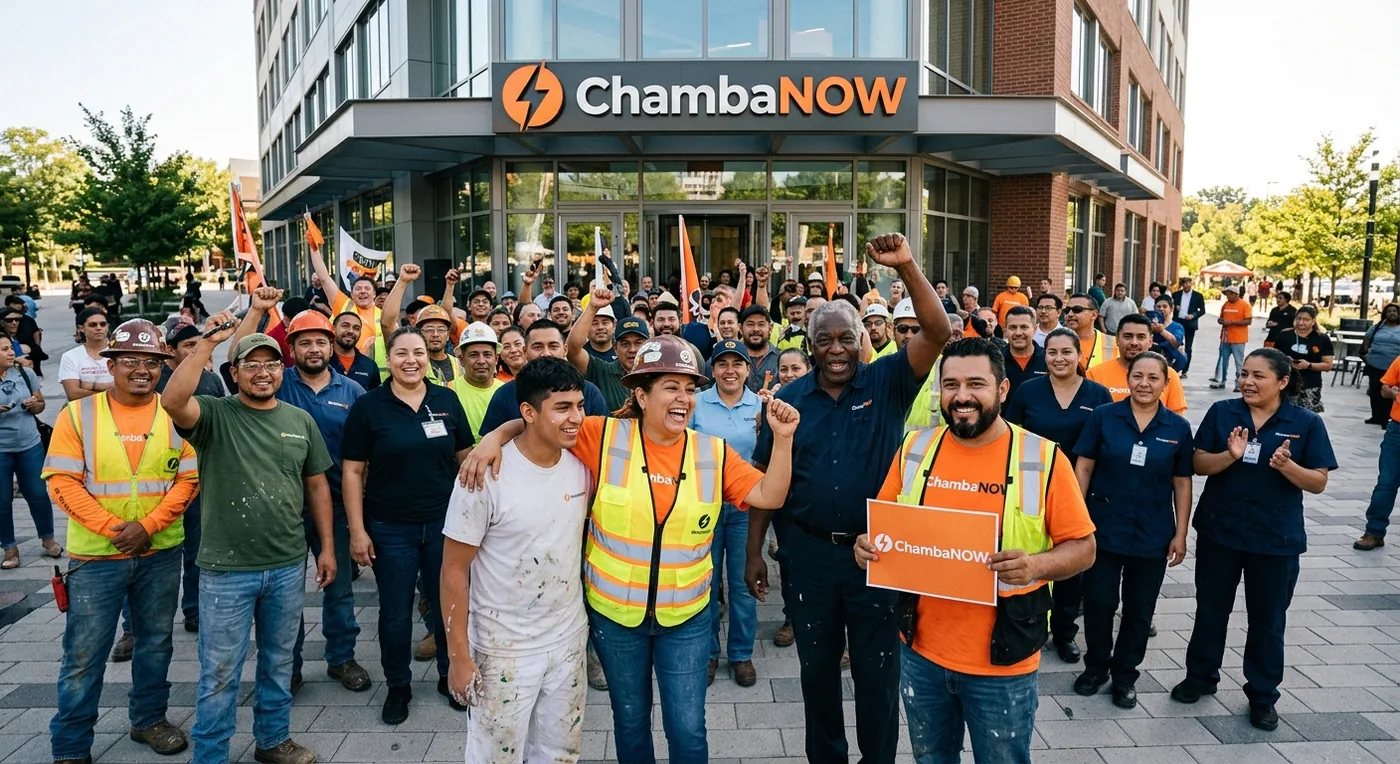
This category works especially well for short-notice needs, project surges, punch-list work, seasonal demand, and crews that need one or two additional hands. Look for a marketplace with worker verification, skill-based profiles, location filters, and a mobile-friendly experience. ChambaNow, for example, is designed for employers who need to post jobs free and connect with verified trade and labor workers quickly, with bilingual English-Spanish access.
The trade-off is that marketplace hiring requires a clear job post. State the skill needed, location, start date, expected duration, pay structure, tools required, and site expectations. The more specific you are, the faster you can identify people who are ready to work.
2. Applicant tracking systems for repeat hiring
An applicant tracking system, often called an ATS, helps businesses organize applicants, job posts, interviews, notes, and hiring records. It is most valuable for contractors with recurring hiring needs, multiple locations, or a steady pipeline of permanent field and office roles.
An ATS can prevent good candidates from disappearing in text threads and email inboxes. It also gives hiring managers a shared view of where each candidate stands. For a growing construction company or facilities operator, that structure can save time over a full year.
But an ATS is not usually the best first tool for an urgent same-week labor gap. It organizes a process well, but it does not automatically create local worker availability. Pair it with a fast sourcing channel rather than expecting it to solve every immediate staffing need.
3. Trade-focused job boards
Trade-focused job boards can help when you are hiring for a defined craft or an ongoing role. They give you space to explain the position, project type, benefits, certifications, and advancement path. This is useful for hiring skilled workers such as welders, carpenters, plumbers, equipment operators, and maintenance professionals.
The main benefit is intent. Workers who visit a trade-focused board are often already looking for work in the field. That can produce stronger matches than a general job board, especially when your post includes the details experienced workers care about.
The drawback is timing. Job boards can generate applications over days or weeks, which may not work when a project starts tomorrow. Use them for planned hiring, not as your only answer to an unexpected absence.
4. Employee referral tools
Your existing crew often knows who does good work. A referral process gives employees a simple way to recommend former coworkers, classmates, relatives, or trusted people from past projects. For contractors, referrals can be one of the strongest sources of reliable talent because the recommendation comes with real knowledge of work habits.
You do not need complicated software to start. A clear referral policy, a standard intake form, and a consistent follow-up process may be enough. If you hire frequently, referral software can track submissions, reward payouts, and candidate status.
Referrals have limits. They can narrow your reach if you rely on the same circles repeatedly, and they will not always solve an urgent specialty need. Use them alongside broader tools that bring in new workers from your area.
5. Scheduling and workforce management software
Scheduling software does not find candidates, but it can reduce how often you need to hire under pressure. When you can see who is certified, available, assigned, and approaching overtime, you can make better staffing decisions before a gap becomes a crisis.
For multi-crew operations, this type of tool helps managers match the right people to the right site. It can also show where a small schedule adjustment may cover a need without bringing in another worker. Time tracking, dispatch, and job-costing features can add value if they fit your operation.
Do not confuse scheduling visibility with a hiring solution. When no qualified person is available, you still need a channel that reaches workers quickly.
6. Background check and credential verification tools
For many contractor roles, trust matters as much as skill. Background checks, license verification, driving record checks, and certification tracking can help you make safer hiring decisions. They are particularly relevant for roles involving occupied properties, company vehicles, regulated work, sensitive facilities, or public-facing service calls.
Use verification in a way that fits the role and follows applicable hiring laws. Not every short-term labor assignment needs the same screening depth as a long-term technician role. Set requirements before you post the job so your team does not make inconsistent decisions when the schedule is tight.
Verification tools are strongest when they support a fast workflow rather than adding unnecessary delay. Know which checks are required, which are preferred, and when they must be completed.
7. Text messaging and candidate communication tools
Slow communication kills good hires. A qualified worker may accept another job while your team is still deciding who should call them. Text-based communication tools help contractors confirm interest, send site details, schedule interviews, share start instructions, and keep candidates informed.
For hourly and field-based roles, text messages are often more practical than long email chains. Keep messages direct: identify the job, location, start time, pay details when appropriate, and the next action. If you need a response by a certain time, say so.
Communication tools work best when one person owns the response. A shared inbox with no clear owner can create the same delays as an overloaded email account.
How to Choose the Right Mix of Hiring Tools
Start with the type of work you need to fill. For a same-day or next-day labor need, an on-demand marketplace and text communication should be your first move. For a permanent skilled-trade opening, combine a trade-focused job board, an ATS, and a referral process. For a growing operation with several active projects, add scheduling software so labor needs become visible earlier.
Then look at your bottleneck. If you get too few applicants, improve sourcing. If you get applicants but cannot tell who is qualified, improve screening and job descriptions. If candidates stop responding, fix your communication speed. Buying more software will not help if the actual problem is a vague post or a manager who replies two days later.
Keep the process simple for workers. Ask only for information you need at the first step. A laborer looking for work this week should not have to complete a long application before learning where the job is, what it pays, or when it starts. Clear expectations attract better responses and reduce no-shows.
Make Every Job Post Do More Work
Even the best platform cannot rescue a weak job post. Write the job title people actually search for, not an internal label. Include the location or service area, start date, schedule, length of assignment, required experience, physical demands, safety expectations, and whether workers need their own tools or transportation.
Be direct about pay when your company policy allows it. Workers can make faster decisions when they understand the rate, pay type, and expected hours. If the role can lead to ongoing work, say that too. Small details save your team from reviewing applicants who were never a practical match.
A good hiring tool gives you options. A clear job post, fast follow-up, and respect for workers' time turn those options into a crew that shows up ready to work.