









































FEATURED ARTICLE

Maximizing Your Workforce Efficiency with Smart Hiring Solutions

Delays cost money, time, and client trust. How on-demand hiring, better matching, and direct communication help contractors and homeowners staff every job fast and stay flexible.

Maximizing Your Workforce Efficiency with Smart Hiring Solutions

LATEST ARTICLES

VIEW ALL ARTICLES
How Do You Get MSHA Training to Work at a Mine?
Safety & Training

How Do You Get MSHA Training to Work at a Mine?

To work at a mine, you need MSHA-required new miner training, which the mine operator must provide and pay for.

NOV 22, 2026·6 MIN READ
How Much Does Forklift Certification Cost, and Can You Get It Free?
Pay & Benefits

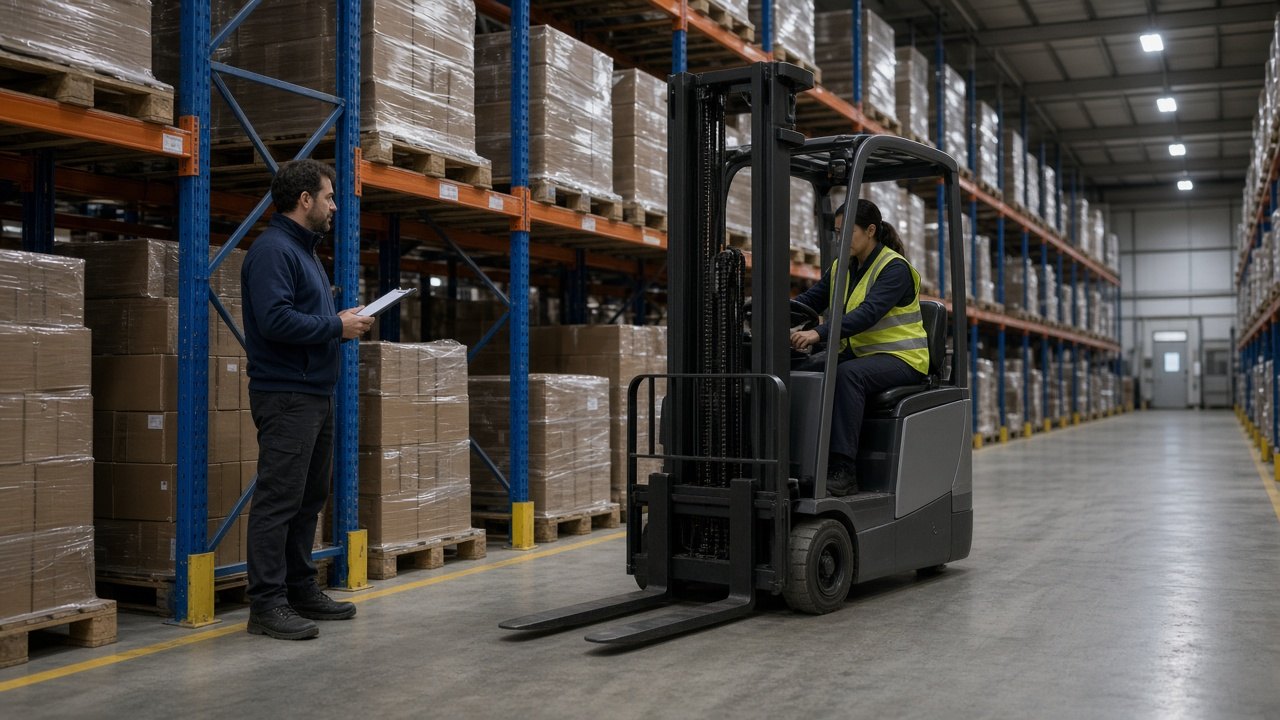
How Much Does Forklift Certification Cost, and Can You Get It Free?

Forklift certification is often free for workers because OSHA requires employers to train and evaluate operators.

NOV 21, 2026·6 MIN READ
How Do You Get Aerial Lift and Scissor Lift Certified?
Safety & Training

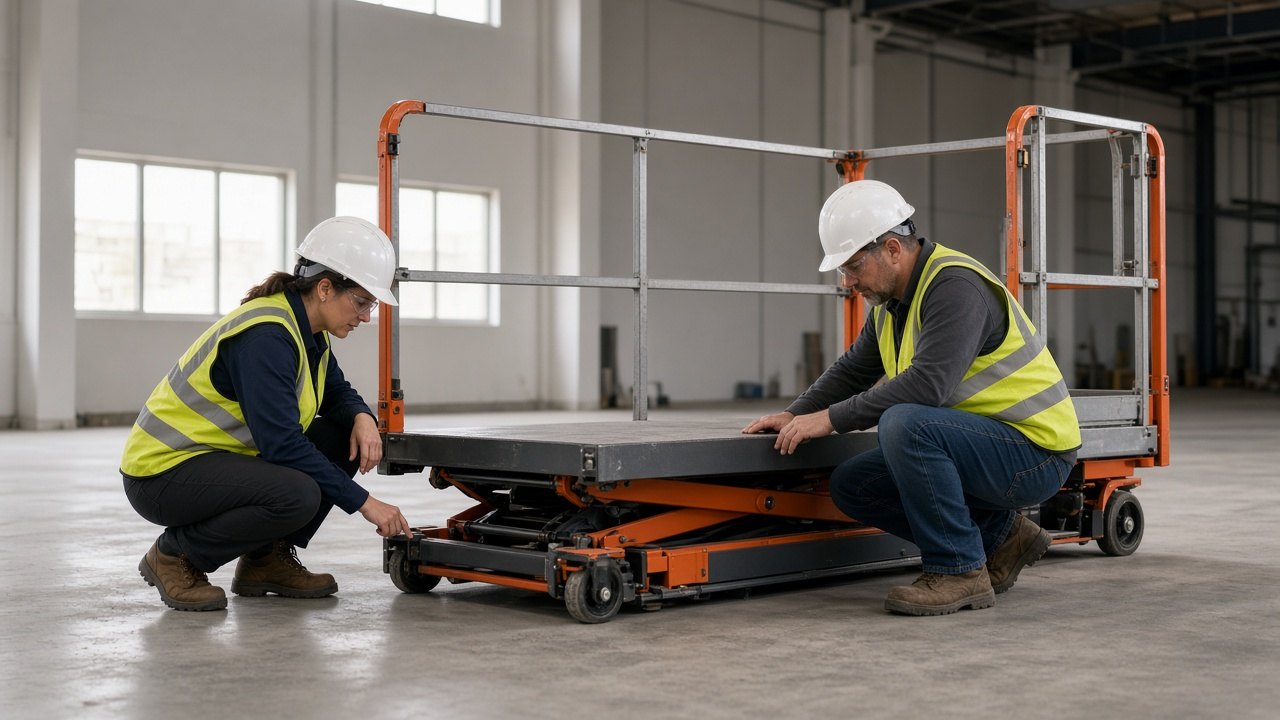
How Do You Get Aerial Lift and Scissor Lift Certified?

Aerial and scissor lift certification comes from employer training and a hands-on skills demonstration on the lift.

NOV 21, 2026·6 MIN READ
How Do You Get Flagger Certification?
Safety & Training

How Do You Get Flagger Certification?

To get flagger certification, take a state-approved flagger course, pass the exam, and carry the card on the job.

NOV 20, 2026·6 MIN READ
What Trade Certifications Can You Get in a Month or Less?
Safety & Training

What Trade Certifications Can You Get in a Month or Less?

Quick credentials like OSHA 10, CPR, flagger, and EPA 608 can help, but they do not guarantee higher pay.

NOV 19, 2026·6 MIN READ
How Can You Get Free Trade School Training Through WIOA, Job Corps, or Workforce Pell?
Safety & Training

How Can You Get Free Trade School Training Through WIOA, Job Corps, or Workforce Pell?

Free or low-cost trade training may come through WIOA, Job Corps, Workforce Pell, or employer programs if you qualify.

NOV 18, 2026·6 MIN READ
How Do You Become a Heavy Equipment Operator?
Tools & Equipment

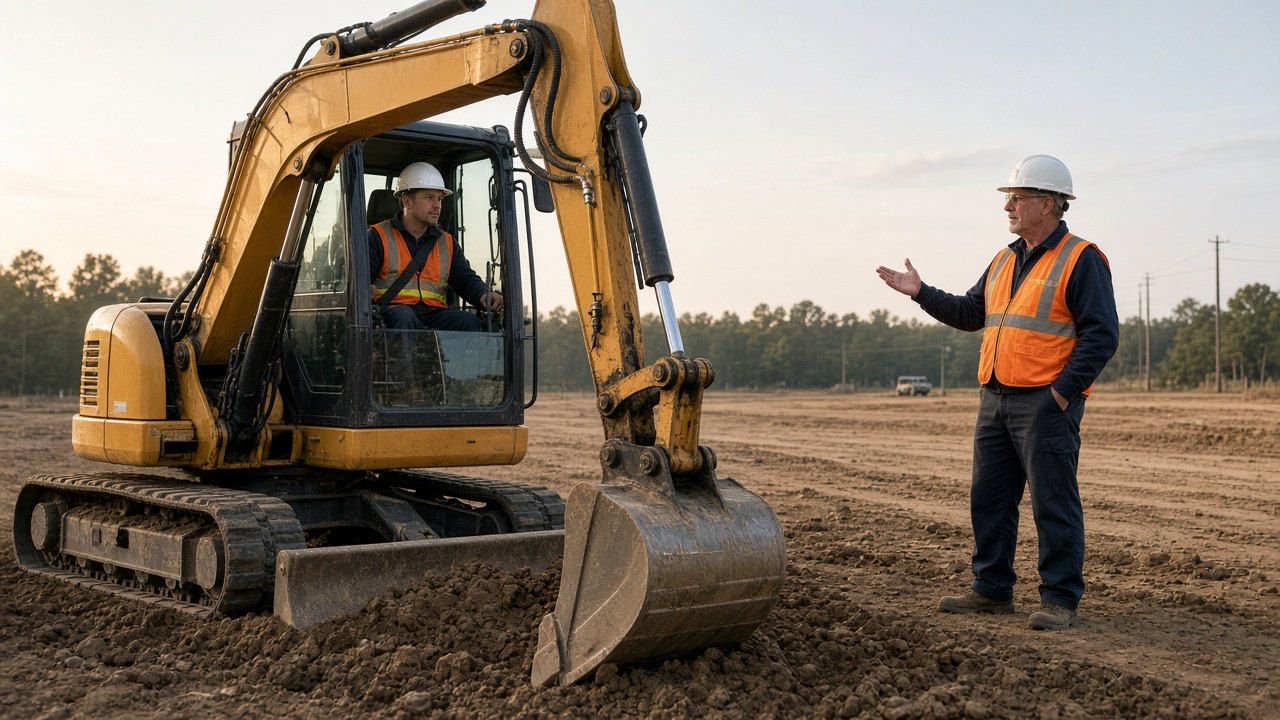
How Do You Become a Heavy Equipment Operator?

Most heavy equipment operators learn through on-the-job training, an apprenticeship, or a vocational school program.

NOV 18, 2026·6 MIN READ
How Do You Become a Crane Operator? NCCCO Certification Explained
Safety & Training

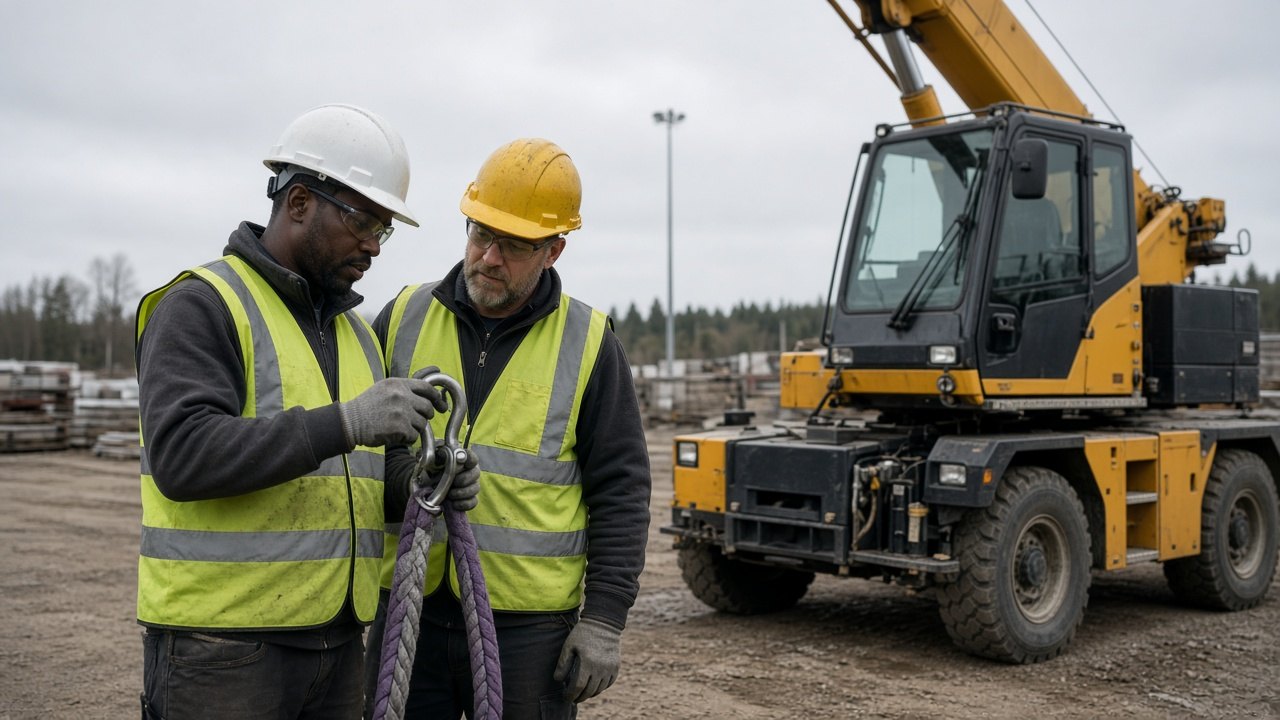
How Do You Become a Crane Operator? NCCCO Certification Explained

To become a crane operator, gain related experience, earn accredited certification, and pass an employer evaluation.

NOV 17, 2026·6 MIN READ
How Do You Become a Plumber? Apprenticeship and License Steps
Starting Your Contractor Business

How Do You Become a Plumber? Apprenticeship and License Steps

A plumbing apprenticeship pairs paid supervised work with classroom instruction and leads toward a plumbing license.

NOV 16, 2026·6 MIN READ
How Do You Become an Electrician? Apprenticeship and License Steps
Starting Your Contractor Business

How Do You Become an Electrician? Apprenticeship and License Steps

To become an electrician, complete an apprenticeship or approved training and meet your state's licensing rules.

NOV 16, 2026·6 MIN READ
How Do You Get a Welding Certification?
Safety & Training

How Do You Get a Welding Certification?

AWS Certified Welder status comes from passing a hands-on welding test at an accredited test facility.

NOV 15, 2026·6 MIN READ
How Do You Get EPA 608 Certification for HVAC Work?
Safety & Training

How Do You Get EPA 608 Certification for HVAC Work?

You earn EPA 608 certification by passing approved refrigerant exams that match the equipment you will service.

NOV 14, 2026·6 MIN READ
What Is NCCER Certification, and How Do You Get It?
Safety & Training

What Is NCCER Certification, and How Do You Get It?

NCCER certification shows that you finished standardized construction training or passed an NCCER craft assessment.

NOV 13, 2026·6 MIN READ
What Is OSHA 30, and Is It Worth It Over OSHA 10?
Safety & Training

What Is OSHA 30, and Is It Worth It Over OSHA 10?

OSHA 30 is a voluntary safety-training card for supervisors or workers with safety responsibilities, not a license.

NOV 13, 2026·6 MIN READ
What Is an HGV Licence, and How Is It Different From a CDL?
Starting Your Contractor Business

What Is an HGV Licence, and How Is It Different From a CDL?

An HGV licence is the UK route for driving lorries, while a CDL is the US commercial license system.

NOV 12, 2026·6 MIN READ
How Do You Pass the CDL Permit Test?
Starting Your Contractor Business

How Do You Pass the CDL Permit Test?

To pass the CDL permit test, study your state handbook, practice weak topics, and check required knowledge tests.

NOV 11, 2026·6 MIN READ
How Do You Get Hazmat and Tanker Endorsements on a CDL?
Safety & Training

How Do You Get Hazmat and Tanker Endorsements on a CDL?

Hazmat and tanker endorsements require state knowledge tests, and hazmat also needs required training and screening.

NOV 11, 2026·6 MIN READ
How Can You Get Free or Company-Paid CDL Training?
Safety & Training

How Can You Get Free or Company-Paid CDL Training?

You may find funded CDL training through employers or workforce programs, but eligibility and repayment terms vary.

NOV 10, 2026·6 MIN READ
How Long Is a Forklift Certification Good For, and Does It Transfer?
Safety & Training

How Long Is a Forklift Certification Good For, and Does It Transfer?

Forklift operators need workplace evaluations at least every three years and refresher training when problems arise.

NOV 9, 2026·6 MIN READ
CDL Class A vs. Class B: Which License Should You Get?
Starting Your Contractor Business

CDL Class A vs. Class B: Which License Should You Get?

Choose a Class A or B CDL by matching the truck, trailer, training, and tests to your target job.

NOV 9, 2026·6 MIN READ
Do I Have to Provide Safety Gear When I Hire Day Laborers?
Work Opportunities

Do I Have to Provide Safety Gear When I Hire Day Laborers?

Employers generally must pay for most required safety gear, and homeowners should still keep the site safe.

NOV 8, 2026·6 MIN READ
How Do I Hire Labor for a Small Concrete Patio or Walkway?
Starting Your Contractor Business

How Do I Hire Labor for a Small Concrete Patio or Walkway?

A small patio or walkway pour goes better when you hire labor and plan the work before the truck arrives.

NOV 7, 2026·6 MIN READ
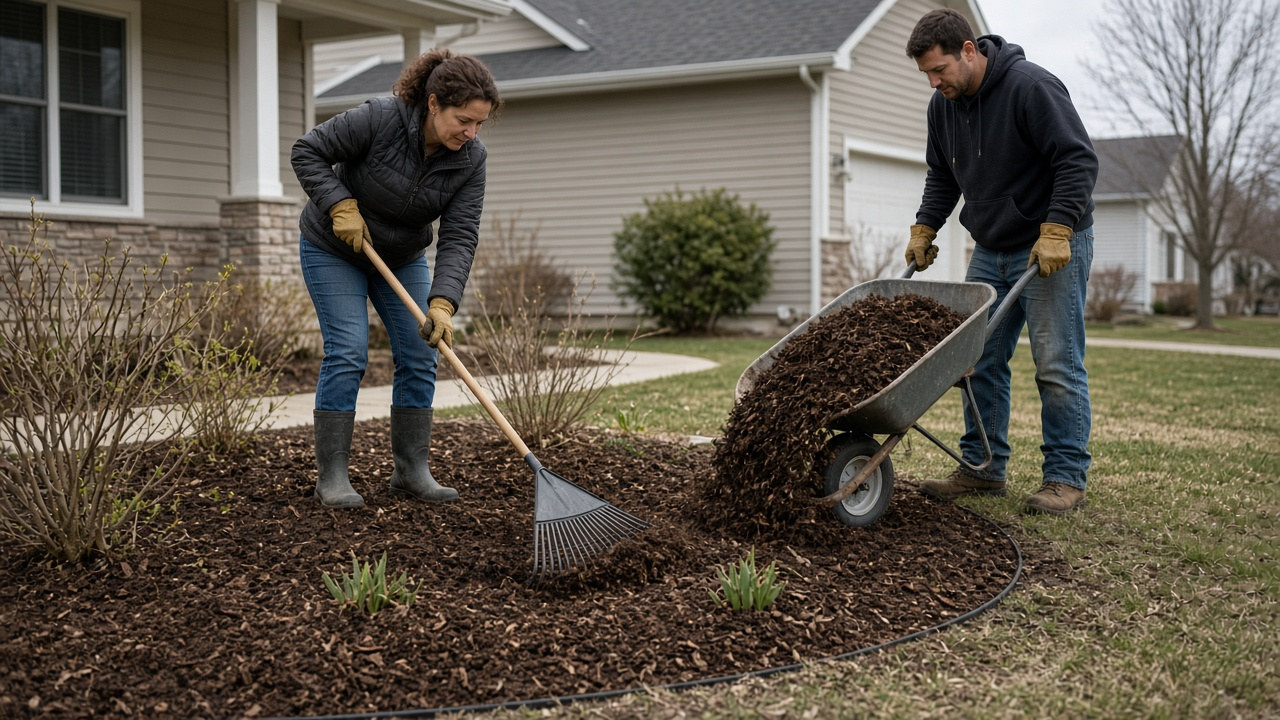
How Do I Hire Help for Spring Yard Cleanup and Mulching?
Starting Your Contractor Business

How Do I Hire Help for Spring Yard Cleanup and Mulching?

Spring yard cleanup and mulching are short labor jobs you can hire out before the growing season starts.

NOV 6, 2026·6 MIN READ
Can I Hire Someone to Paint Indoors During the Winter?
Starting Your Contractor Business

Can I Hire Someone to Paint Indoors During the Winter?

Yes, you can hire indoor painting help in winter, when the house is closed up and outdoor work is slow.

NOV 6, 2026·6 MIN READ
Is January a Good Time to Hire Movers?
Starting Your Contractor Business

Is January a Good Time to Hire Movers?

January can be a good time to hire movers, because it is often slower than the summer moving season.

NOV 5, 2026·6 MIN READ
How Do I Hire Help for a One-Time House Deep Clean?
Starting Your Contractor Business

How Do I Hire Help for a One-Time House Deep Clean?

A one-time house deep clean goes better when you hire help with a clear list and ready supplies.

NOV 4, 2026·6 MIN READ
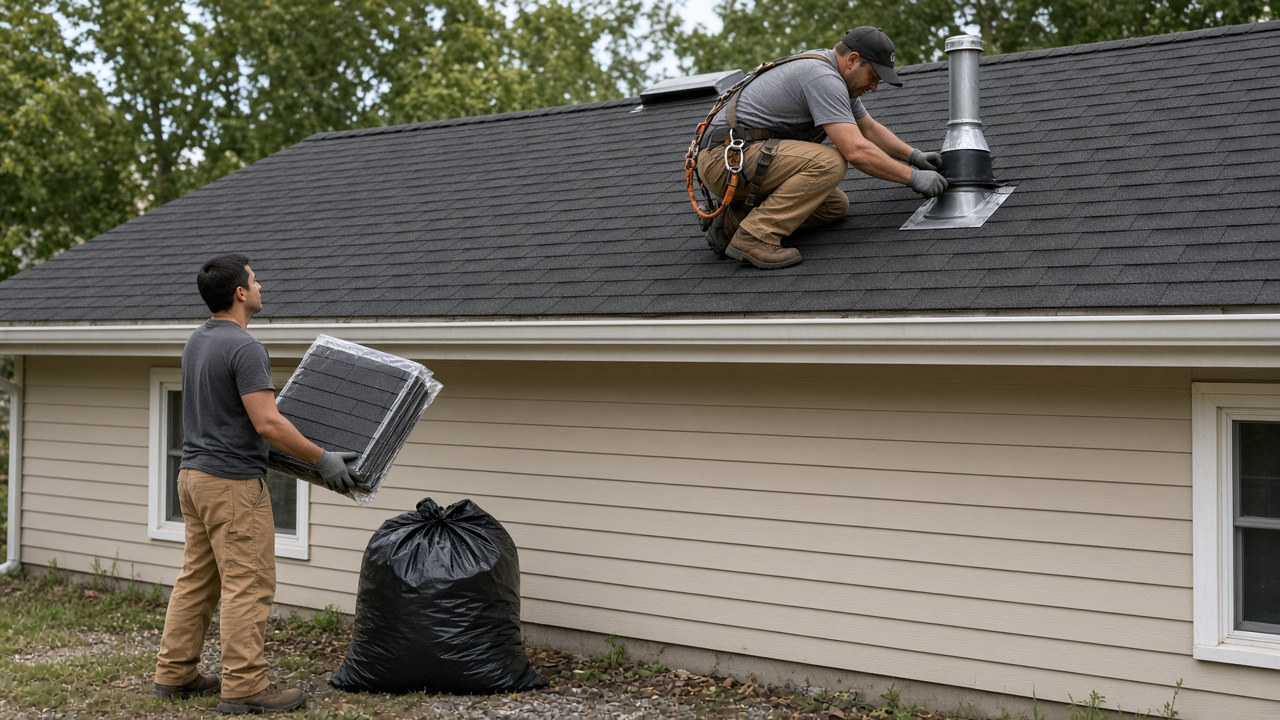
What Roofing Work Can a Helper Do, and When Do I Need a Licensed Roofer?
Starting Your Contractor Business

What Roofing Work Can a Helper Do, and When Do I Need a Licensed Roofer?

A helper can assist on a roof, but licensed roofing work should stay with a qualified roofer.

NOV 4, 2026·6 MIN READ
How Many Helpers Do I Need to Hang Drywall in a Room?
Starting Your Contractor Business

How Many Helpers Do I Need to Hang Drywall in a Room?

Hanging drywall in a typical room usually takes two people, because the boards are heavy and awkward.

NOV 3, 2026·7 MIN READ
Can I Hire a Laborer to Paint a Room, or Do I Need a Painter?
Starting Your Contractor Business

Can I Hire a Laborer to Paint a Room, or Do I Need a Painter?

A laborer can help paint a simple room, but a painter is better when the finish really has to last.

NOV 2, 2026·6 MIN READ
Where Can Day Laborers Get Free Job Training and Safety Classes?
Safety & Training

Where Can Day Laborers Get Free Job Training and Safety Classes?

Day laborers can find free training and safety classes at public job centers and official OSHA programs.

NOV 1, 2026·6 MIN READ
When Do You Need a Licensed Plumber vs. a Plumbing Helper?
Starting Your Contractor Business

When Do You Need a Licensed Plumber vs. a Plumbing Helper?

You need a licensed plumber for most pipe work, and a helper only for the labor around that job.

NOV 1, 2026·6 MIN READ
How Do You Become a Plumber’s Helper?
Pay & Benefits

How Do You Become a Plumber’s Helper?

You can become a plumber's helper by learning the basics, working carefully, and asking a plumber for work.

OCT 31, 2026·7 MIN READ
How Do You Find Snow Removal Jobs This Winter?
Starting Your Contractor Business

How Do You Find Snow Removal Jobs This Winter?

Snow removal jobs show up every winter, and you can find them if you prepare early and stay ready.

OCT 30, 2026·6 MIN READ
What Indoor Labor Jobs Can You Find When Outdoor Work Slows Down?
Starting Your Contractor Business

What Indoor Labor Jobs Can You Find When Outdoor Work Slows Down?

When outdoor work slows down, indoor jobs in painting, drywall, cleaning, and remodels can fill the gap.

OCT 30, 2026·6 MIN READ
How Do You Get House Cleaning Jobs With Little Experience?
Starting Your Contractor Business

How Do You Get House Cleaning Jobs With Little Experience?

You can get house cleaning jobs with little experience if you are thorough, reliable, and ready to work.

OCT 29, 2026·7 MIN READ
What Does a Concrete Laborer Do, and How Do You Get Hired?
Work Opportunities

What Does a Concrete Laborer Do, and How Do You Get Hired?

A concrete laborer helps set forms, pour, and finish, and you can get hired without a long resume.

OCT 28, 2026·6 MIN READ
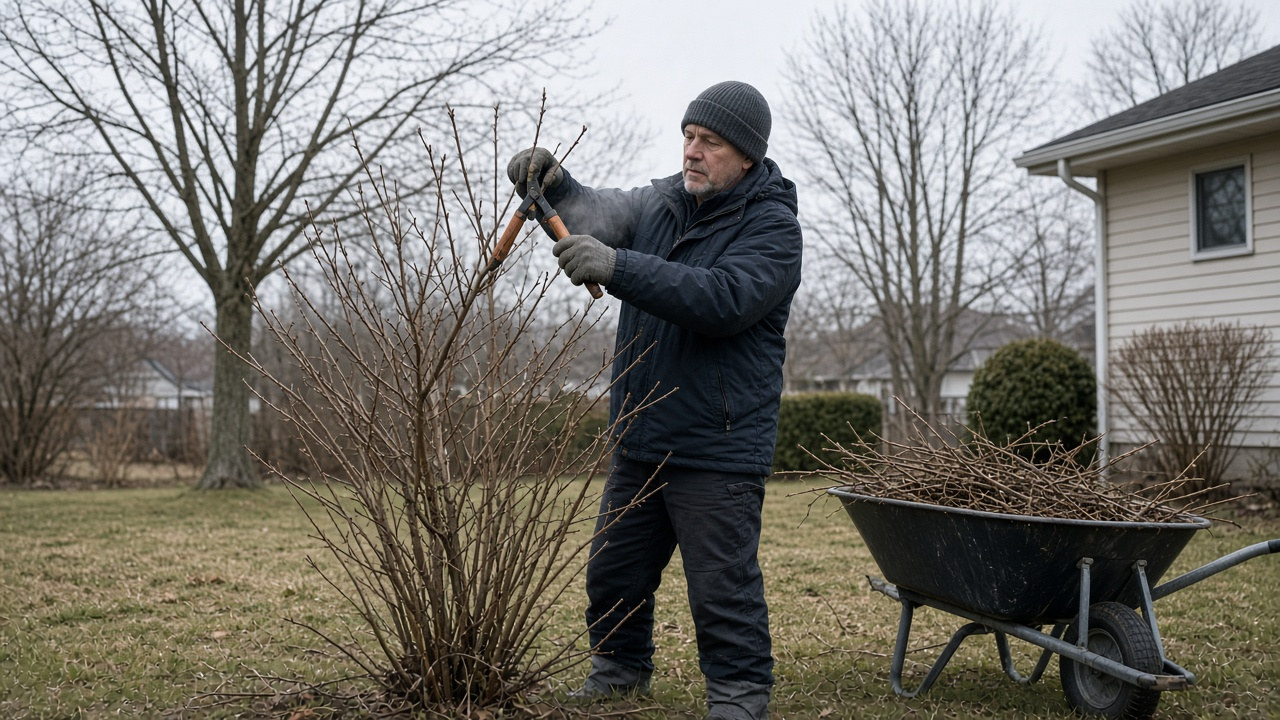
How Do You Get Landscaping Work in the Winter?
Starting Your Contractor Business

How Do You Get Landscaping Work in the Winter?

Winter landscaping work is real, from pruning and cleanup to snow help, if you know where to look.

OCT 27, 2026·6 MIN READ
How Do You Get Roofing Helper Jobs, and What Safety Training Do You Need?
Safety & Training

How Do You Get Roofing Helper Jobs, and What Safety Training Do You Need?

Roofing helper jobs come easier when you know the work, the risks, and the safety training crews expect.

OCT 27, 2026·6 MIN READ
How Do You Become a Painter’s Helper?
Starting Your Contractor Business

How Do You Become a Painter’s Helper?

A painter's helper gets hired by doing careful prep work and showing they can follow directions.

OCT 26, 2026·7 MIN READ
Refreshing a Vacant Unit Before Showings: Labor Property Managers Can Hire
Starting Your Contractor Business

Refreshing a Vacant Unit Before Showings: Labor Property Managers Can Hire

A vacant unit can be photo-ready for showings with a light refresh even when full make-ready is done.

OCT 25, 2026·6 MIN READ
How Do You Get Hired as a Drywall Helper?
Starting Your Contractor Business

How Do You Get Hired as a Drywall Helper?

You can get hired as a drywall helper by learning the basics, arriving ready, and asking crews for work.

OCT 25, 2026·7 MIN READ
Common-Area Upkeep for Property Managers: Walkways, Trash Rooms, and Curb Appeal
Safety & Training

Common-Area Upkeep for Property Managers: Walkways, Trash Rooms, and Curb Appeal

Common-area upkeep is regular labor for walkways, trash rooms, and curb appeal, not a unit turnover.

OCT 24, 2026·6 MIN READ
Organizing an Attic, Basement, or Shed: When to Hire Labor
Starting Your Contractor Business

Organizing an Attic, Basement, or Shed: When to Hire Labor

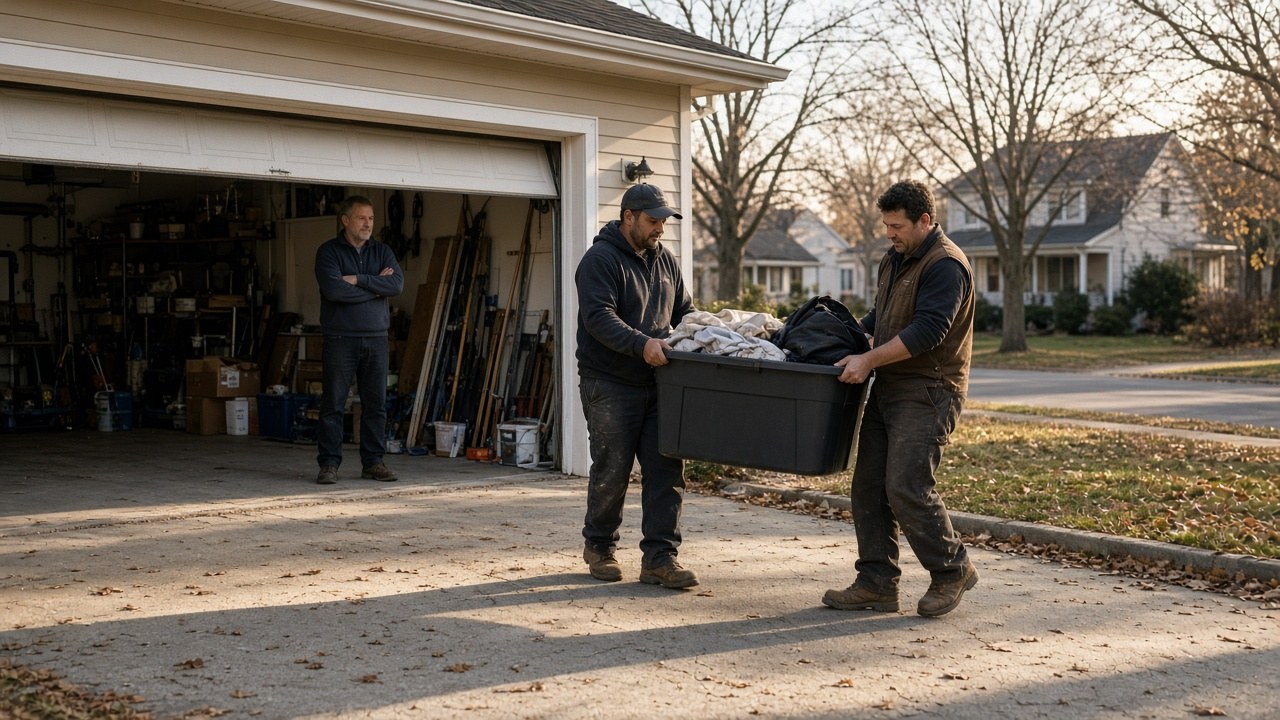
Hiring labor to organize an attic, basement, or shed works best when you sort first and haul second.

OCT 23, 2026·6 MIN READ
When a Weekend DIY Project Needs a Hired Helper
Starting Your Contractor Business

When a Weekend DIY Project Needs a Hired Helper

A weekend DIY project is a good time to hire a helper when the work gets heavy or runs long.

OCT 22, 2026·6 MIN READ
Getting a Home Photo-Ready for a Listing or Showing
Starting Your Contractor Business

Getting a Home Photo-Ready for a Listing or Showing

A home photographs better for a listing or showing after clutter is cleared and rooms are staged.

OCT 22, 2026·6 MIN READ
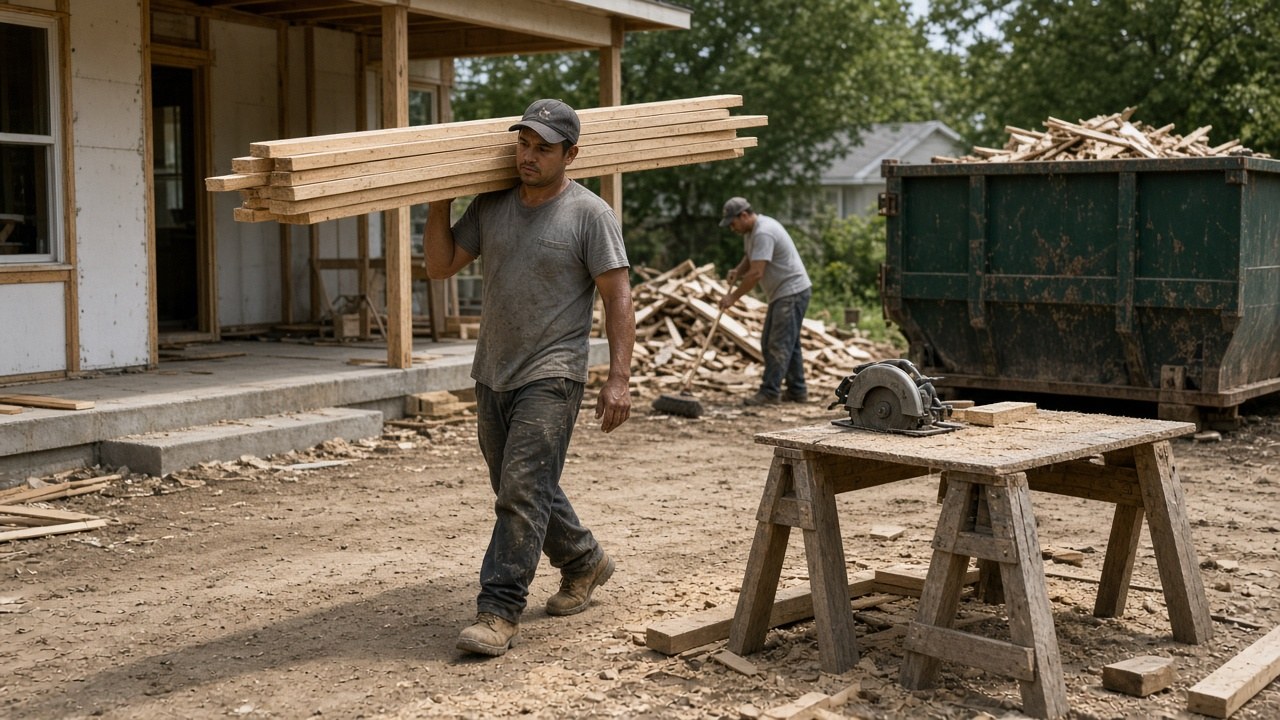
Closing Out a Job: Punch-List and Site-Cleanup Labor for Contractors
Starting Your Contractor Business

Closing Out a Job: Punch-List and Site-Cleanup Labor for Contractors

Closing out a job goes faster when punch-list work and site cleanup have their own labor plan.

OCT 21, 2026·6 MIN READ
Extra Hands for Material Staging and End-of-Day Cleanup
Tools & Equipment

Extra Hands for Material Staging and End-of-Day Cleanup

A laborer who stages materials and cleans at day's end can keep skilled trades moving faster.

OCT 20, 2026·6 MIN READ
Briefing Temporary Helpers on a Contractor’s Jobsite
Starting Your Contractor Business

Briefing Temporary Helpers on a Contractor’s Jobsite

A clear morning briefing helps a temporary helper start safely and stay useful throughout the day.

OCT 20, 2026·6 MIN READ
Weekend, Evening, and Holiday Labor: What’s Realistic to Book?
Work Opportunities

Weekend, Evening, and Holiday Labor: What’s Realistic to Book?

Weekend, evening, and holiday labor is often available, though the pay and notice usually change.

OCT 19, 2026·6 MIN READ
Is It Cheaper to Hire Day Laborers Than a Moving Company?
Work Opportunities

Is It Cheaper to Hire Day Laborers Than a Moving Company?

Labor-only helpers can cost less than a moving company, but only if you supply the truck and plan.

OCT 18, 2026·6 MIN READ
No English? No Problem: How Real-Time Translation Is Changing the Labor Market
Immigration Help

No English? No Problem: How Real-Time Translation Is Changing the Labor Market

For millions of workers and employers, the biggest obstacle to getting a job done isn't skill or experience — it's language. Here's how real-time English–Spanish translation is quietly removing that barrier and opening up the labor market for everyone.

NOV 16, 2026·6 MIN READ
Nobody Showed Up for the Job. Now What?
Work Opportunities

Nobody Showed Up for the Job. Now What?

A no-show can delay an entire project, cost money, and wreck your morning. Here's how hirers can recover fast when a worker doesn't show — and the simple habits that prevent it from happening again.

NOV 15, 2026·8 MIN READ
What Hirers Wish Every Day Laborer Knew Before Showing Up
Work Opportunities

What Hirers Wish Every Day Laborer Knew Before Showing Up

For day laborers, getting hired is only the first step. What turns a one-day job into repeat work is what happens after you accept it. Here's what hirers wish every worker knew before showing up.

NOV 13, 2026·9 MIN READ
Optimizing Workforce Management for Local Businesses
Starting Your Contractor Business

Optimizing Workforce Management for Local Businesses

How local businesses in Champaign-Urbana can manage a flexible workforce, tap real-time hiring, and use technology to run leaner, more responsive operations — and why smart presentation complements a well-run team.

OCT 31, 2026·4 MIN READ
How Real-Time Hiring Enhances Property Management Efficiency
Starting Your Contractor Business

How Real-Time Hiring Enhances Property Management Efficiency

Property managers live and die by fast, reliable responses. How real-time hiring platforms like ChambaNOW help you mobilize skilled labor instantly, cut costs, and keep tenants satisfied — from everyday maintenance to luxury developments.

OCT 17, 2026·4 MIN READ
A Message to Our Workers
Worker Protection

A Message to Our Workers

Your privacy matters. Your safety matters. Your dignity matters. A promise from ChambaNOW to every worker — and how to report a hirer who treats you unfairly.

JUL 3, 2026·3 MIN READ

MORE ARTICLES

How to Reduce Construction Hiring Delays

How to Reduce Construction Hiring Delays

A missing framer, electrician, or general laborer can throw off more than one shift. Crews wait, subcontractors get resequenced, and a small staffing gap becomes a schedule problem. If you need to know how to reduce construction hiring delays, start by treating hiring like a field operation: define the need fast, communicate clearly, and keep qualified workers within reach.

Construction hiring rarely slows down because one person forgot to post a job. Delays usually come from unclear job details, too many approval steps, slow responses, and a last-minute search for workers who should have been identified earlier. The fix is not more paperwork. It is a faster, more repeatable hiring process built for the pace of the jobsite.

Why construction hiring gets stuck

The most expensive hiring delays begin before a job is posted. A foreman may say they need “two guys tomorrow,” but the office still needs answers: What work will they do? What skills are required? What time should they arrive? Is the project location confirmed? Without those basics, recruiters, managers, and candidates spend hours going back and forth.

Slow internal approval is another common problem. On a tight project, waiting a day for a manager to approve headcount can mean losing available workers to another contractor. The same is true when a candidate applies but does not hear back until the next day. Skilled trade workers often accept the first clear, credible opportunity that fits their schedule.

Traditional hiring channels can add more friction. Classified ads may bring unqualified responses. Staffing agencies can be useful for some needs, but they may not move at the speed or price point every contractor needs. Word-of-mouth referrals remain valuable, yet they cannot always fill an urgent gap by the next morning.

How to reduce construction hiring delays before they start

The fastest hire is usually the one you prepared for before the crew became short. That does not mean predicting every absence. It means building a simple system that lets your team act as soon as a need appears.

Build job templates for repeat roles

Do not write every job post from scratch. Create approved templates for the roles you hire most: general laborer, carpenter helper, drywall installer, painter, welder, equipment operator, maintenance technician, and cleanup crew.

Each template should cover the work, required experience, pay range or rate structure, location, start date, shift time, expected duration, and required personal protective equipment. Add any project-specific details when the need arises. A supervisor should be able to turn a template into a ready-to-post job in minutes, not spend an hour drafting a description.

Clear details also improve candidate quality. “Need laborers ASAP” attracts broad interest but creates follow-up work. “Need four general laborers for site cleanup and material movement in Dallas, 7:00 a.m. start, steel-toe boots required, three-day assignment” tells workers whether they can accept before they respond.

Set a decision rule for urgent openings

Hiring stalls when nobody knows who can say yes. Give field leaders a clear rule for urgent labor needs. For example, a superintendent may be able to approve a set number of short-term workers within a defined budget, while larger crew additions require project manager approval.

The right threshold depends on your company size, project margins, and safety requirements. A small contractor may have one owner making every decision. A larger construction firm may need controls across several projects. Either way, define the path in advance so the request does not sit in an inbox while the site waits.

Separate must-have skills from preferred skills

A long wish list makes every search slower. For each opening, identify what is non-negotiable and what can be taught or supervised on site.

For a licensed electrical role, credentials may be essential. For a material-moving or cleanup role, reliability, physical readiness, and site orientation may matter more than years of experience. Being precise protects quality while widening the available worker pool where it makes sense.

Make your job posts easier to accept

Workers move quickly when the job is clear and the next step is simple. Your post should answer the questions a worker would otherwise text or call to ask. Include where to report, when to arrive, who to contact, what the work involves, how long it is expected to last, and what documents or equipment are needed.

Pay transparency can also reduce delays. If you cannot list an exact rate, provide a realistic range and explain what affects it. Workers are less likely to apply, interview, and then walk away when expectations are stated early.

Language matters, too. Many US construction crews include English-Spanish bilingual workers. Job information that is easy to understand in both languages can expand your qualified response pool and reduce costly miscommunication about start times, duties, or jobsite requirements.

Avoid vague urgency. “Start immediately” is helpful only when it is paired with a real start time and a fast response process. If a worker applies at 5:00 p.m. for a 6:00 a.m. shift, they need confirmation that same evening, not an automated message followed by silence.

Create a fast response workflow

Posting the job is only half the process. The clock starts when an interested worker responds. Assign one person per project or shift to monitor applications and messages during the hiring window. That person needs authority to confirm the basics, request any needed documentation, and schedule the worker.

Aim for a simple sequence: review the worker’s experience, confirm availability, verify the essentials, send reporting instructions, and document the hire. Every extra handoff creates another chance for delay.

A short phone call can be faster than a long message thread for urgent roles. But do not force every candidate through a call if the job is straightforward and the worker’s profile already answers the key questions. Match the screening step to the risk and complexity of the role.

For higher-risk or specialized work, slow down enough to verify licenses, certifications, safety training, and relevant experience. Fast hiring should not mean careless hiring. The goal is to remove administrative friction, not skip the checks that protect workers, clients, and the project.

Keep a ready labor bench without overstaffing

A reliable contact list is useful, but it can go stale quickly. Workers change availability, move between projects, or take longer assignments. Instead of relying only on old spreadsheets, maintain an active pool of workers who can see current opportunities and indicate when they are ready.

A digital marketplace can help contractors reach verified trade and labor workers when needs change quickly. ChambaNow is built around that kind of on-demand connection, allowing employers to post jobs and connect with available workers without turning every urgent opening into a full recruiting project.

Your backup plan should include more than names. Track the roles you commonly need, the markets where shortages hit hardest, the lead time required for specialized positions, and the conditions that cause turnover on your sites. If Monday callouts are common, plan for them. If a concrete pour regularly creates a short-term labor spike, line up options before the pour is scheduled.

Remove onboarding bottlenecks at the jobsite

Even after a worker accepts, hiring can still fail at the gate. Missing instructions, delayed site access, unavailable orientation staff, or uncertainty about parking can turn a confirmed hire into a no-show.

Send a concise arrival message with the exact address, gate or entrance, reporting contact, start time, parking instructions, required PPE, and any documents the worker must bring. Confirm whether they need a site orientation and when it will happen. This is especially important on large sites where a worker can arrive on time but still lose 30 minutes trying to find the right trailer.

Keep onboarding proportional to the assignment. A worker joining a long-term project may need a fuller process. A one-day general labor assignment still needs safety expectations, but the process should be organized so it does not consume half the shift.

Measure the delay, not just the hire

If you only track whether a role was filled, you miss the reason it took too long. Measure the time from staffing request to job post, job post to first qualified response, response to confirmation, and confirmation to first shift worked.

These numbers show where the real bottleneck lives. If qualified workers respond quickly but approvals take hours, fix approval authority. If applications are low, improve job details, pay positioning, timing, or distribution. If workers accept but do not arrive, improve confirmation and jobsite instructions.

Also track quality after the first shift. Did the worker arrive prepared? Did the foreman need more support? Was the skill match accurate? Speed matters, but repeatable speed comes from learning which hiring sources and job descriptions produce dependable results.

The next staffing gap will not wait for a perfect recruiting plan. Give your team clear job details, the authority to act, and a direct path to available workers. When hiring moves at the pace of the jobsite, your crews can keep building instead of waiting.

BROWSE BY TOPIC