
































FEATURED ARTICLE

Maximizing Your Workforce Efficiency with Smart Hiring Solutions

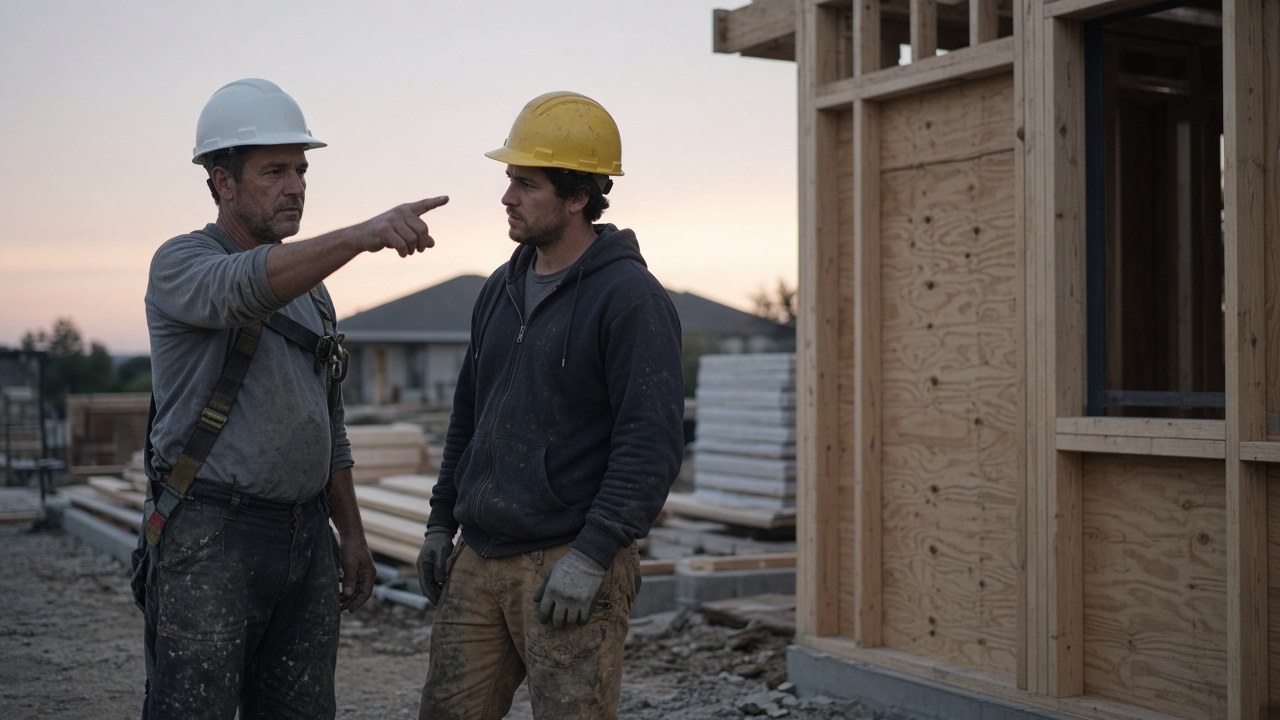
Delays cost money, time, and client trust. How on-demand hiring, better matching, and direct communication help contractors and homeowners staff every job fast and stay flexible.

Maximizing Your Workforce Efficiency with Smart Hiring Solutions

LATEST ARTICLES

VIEW ALL ARTICLES
How Do You Get MSHA Training to Work at a Mine?
Safety & Training

How Do You Get MSHA Training to Work at a Mine?

To work at a mine, you need MSHA-required new miner training, which the mine operator must provide and pay for.

NOV 22, 2026·6 MIN READ
How Much Does Forklift Certification Cost, and Can You Get It Free?
Pay & Benefits

How Much Does Forklift Certification Cost, and Can You Get It Free?

Forklift certification is often free for workers because OSHA requires employers to train and evaluate operators.

NOV 21, 2026·6 MIN READ
How Do You Get Aerial Lift and Scissor Lift Certified?
Safety & Training

How Do You Get Aerial Lift and Scissor Lift Certified?

Aerial and scissor lift certification comes from employer training and a hands-on skills demonstration on the lift.

NOV 21, 2026·6 MIN READ
How Do You Get Flagger Certification?
Safety & Training

How Do You Get Flagger Certification?

To get flagger certification, take a state-approved flagger course, pass the exam, and carry the card on the job.

NOV 20, 2026·6 MIN READ
What Trade Certifications Can You Get in a Month or Less?
Safety & Training

What Trade Certifications Can You Get in a Month or Less?

Quick credentials like OSHA 10, CPR, flagger, and EPA 608 can help, but they do not guarantee higher pay.

NOV 19, 2026·6 MIN READ
How Can You Get Free Trade School Training Through WIOA, Job Corps, or Workforce Pell?
Safety & Training

How Can You Get Free Trade School Training Through WIOA, Job Corps, or Workforce Pell?

Free or low-cost trade training may come through WIOA, Job Corps, Workforce Pell, or employer programs if you qualify.

NOV 18, 2026·6 MIN READ
How Do You Become a Heavy Equipment Operator?
Tools & Equipment

How Do You Become a Heavy Equipment Operator?

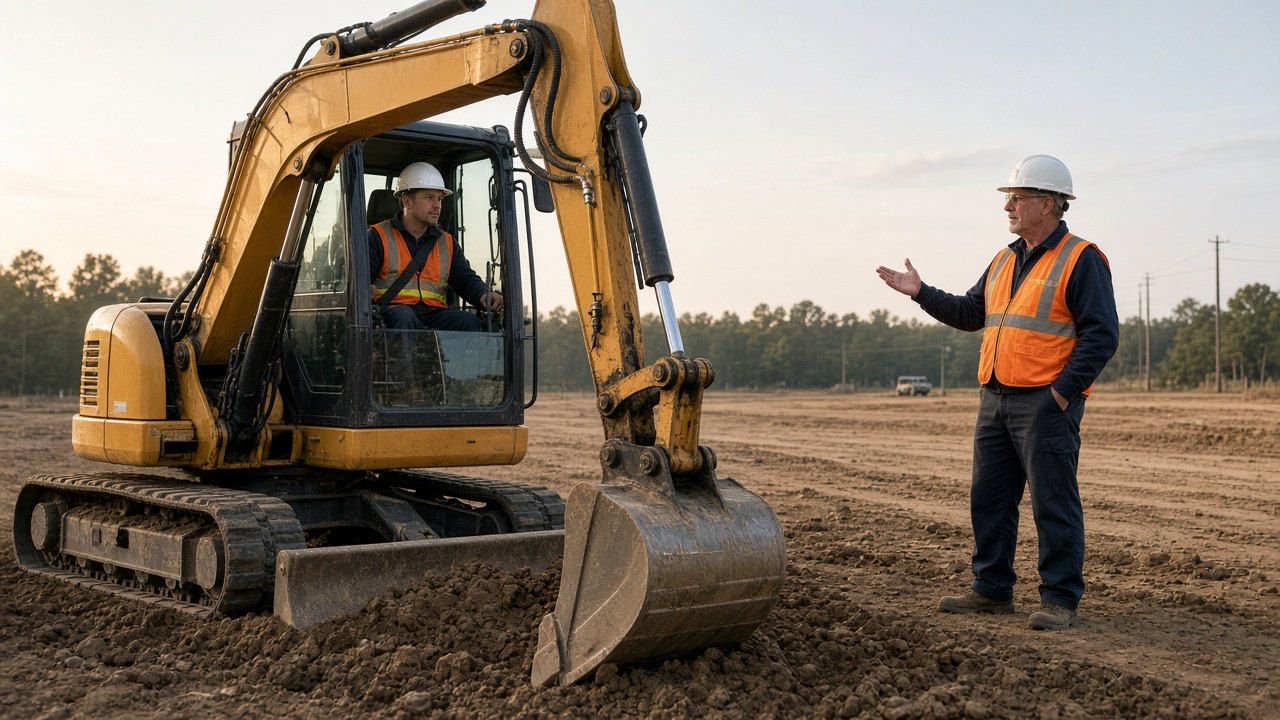
Most heavy equipment operators learn through on-the-job training, an apprenticeship, or a vocational school program.

NOV 18, 2026·6 MIN READ
How Do You Become a Crane Operator? NCCCO Certification Explained
Safety & Training

How Do You Become a Crane Operator? NCCCO Certification Explained

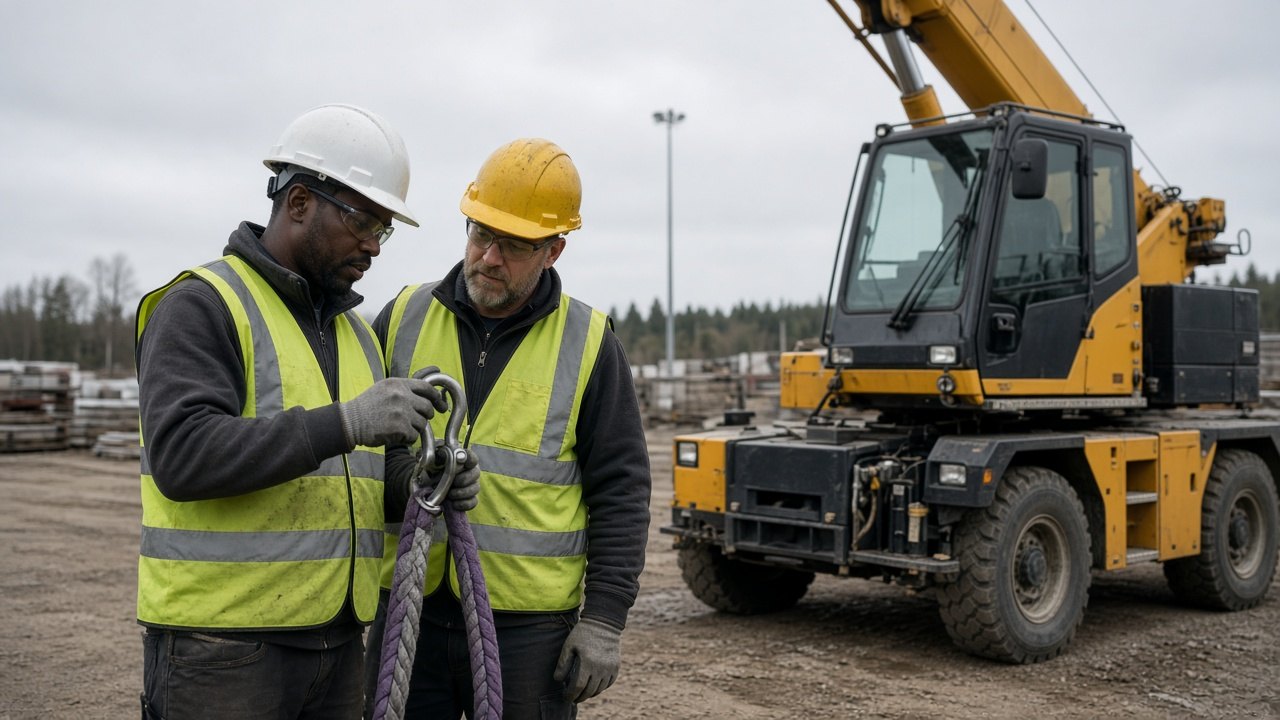
To become a crane operator, gain related experience, earn accredited certification, and pass an employer evaluation.

NOV 17, 2026·6 MIN READ
How Do You Become a Plumber? Apprenticeship and License Steps
Starting Your Contractor Business

How Do You Become a Plumber? Apprenticeship and License Steps

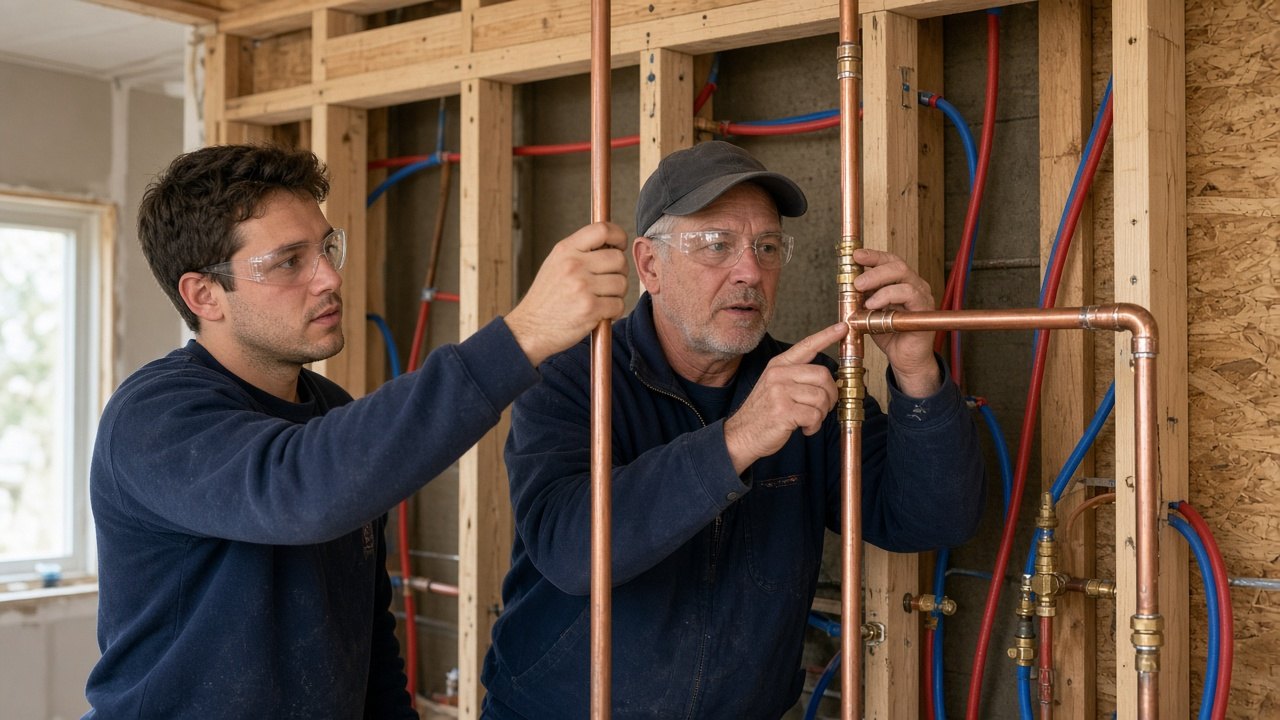
A plumbing apprenticeship pairs paid supervised work with classroom instruction and leads toward a plumbing license.

NOV 16, 2026·6 MIN READ
How Do You Become an Electrician? Apprenticeship and License Steps
Starting Your Contractor Business

How Do You Become an Electrician? Apprenticeship and License Steps

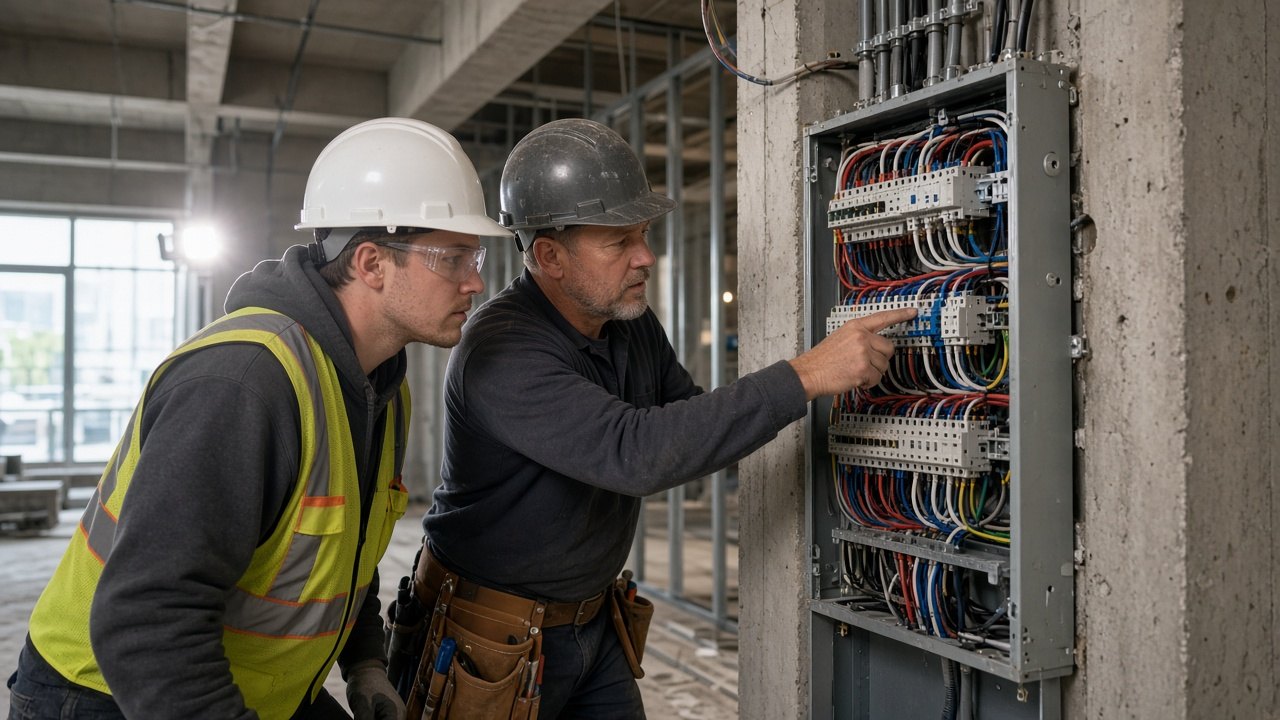
To become an electrician, complete an apprenticeship or approved training and meet your state's licensing rules.

NOV 16, 2026·6 MIN READ
How Do You Get a Welding Certification?
Safety & Training

How Do You Get a Welding Certification?

AWS Certified Welder status comes from passing a hands-on welding test at an accredited test facility.

NOV 15, 2026·6 MIN READ
How Do You Get EPA 608 Certification for HVAC Work?
Safety & Training

How Do You Get EPA 608 Certification for HVAC Work?

You earn EPA 608 certification by passing approved refrigerant exams that match the equipment you will service.

NOV 14, 2026·6 MIN READ
What Is NCCER Certification, and How Do You Get It?
Safety & Training

What Is NCCER Certification, and How Do You Get It?

NCCER certification shows that you finished standardized construction training or passed an NCCER craft assessment.

NOV 13, 2026·6 MIN READ
What Is OSHA 30, and Is It Worth It Over OSHA 10?
Safety & Training

What Is OSHA 30, and Is It Worth It Over OSHA 10?

OSHA 30 is a voluntary safety-training card for supervisors or workers with safety responsibilities, not a license.

NOV 13, 2026·6 MIN READ
What Is an HGV Licence, and How Is It Different From a CDL?
Starting Your Contractor Business

What Is an HGV Licence, and How Is It Different From a CDL?

An HGV licence is the UK route for driving lorries, while a CDL is the US commercial license system.

NOV 12, 2026·6 MIN READ
How Do You Pass the CDL Permit Test?
Starting Your Contractor Business

How Do You Pass the CDL Permit Test?

To pass the CDL permit test, study your state handbook, practice weak topics, and check required knowledge tests.

NOV 11, 2026·6 MIN READ
How Do You Get Hazmat and Tanker Endorsements on a CDL?
Safety & Training

How Do You Get Hazmat and Tanker Endorsements on a CDL?

Hazmat and tanker endorsements require state knowledge tests, and hazmat also needs required training and screening.

NOV 11, 2026·6 MIN READ
How Can You Get Free or Company-Paid CDL Training?
Safety & Training

How Can You Get Free or Company-Paid CDL Training?

You may find funded CDL training through employers or workforce programs, but eligibility and repayment terms vary.

NOV 10, 2026·6 MIN READ
How Long Is a Forklift Certification Good For, and Does It Transfer?
Safety & Training

How Long Is a Forklift Certification Good For, and Does It Transfer?

Forklift operators need workplace evaluations at least every three years and refresher training when problems arise.

NOV 9, 2026·6 MIN READ
CDL Class A vs. Class B: Which License Should You Get?
Starting Your Contractor Business

CDL Class A vs. Class B: Which License Should You Get?

Choose a Class A or B CDL by matching the truck, trailer, training, and tests to your target job.

NOV 9, 2026·6 MIN READ
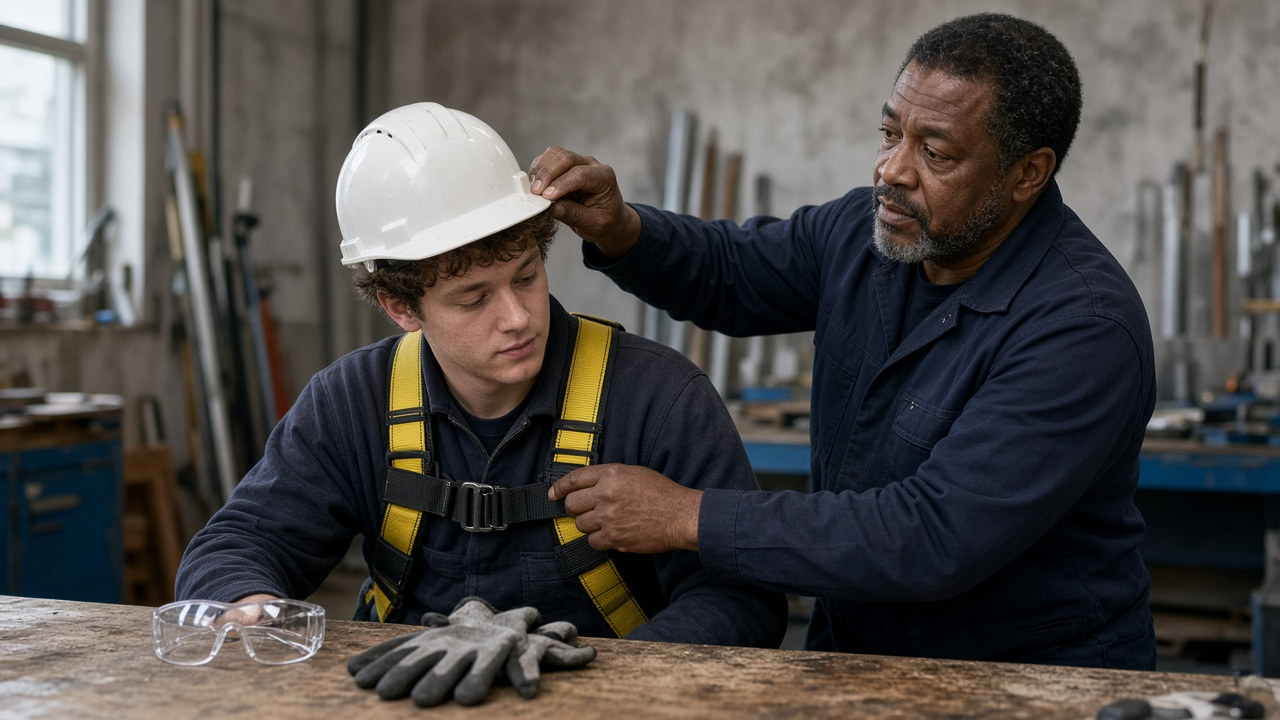
Do I Have to Provide Safety Gear When I Hire Day Laborers?
Work Opportunities

Do I Have to Provide Safety Gear When I Hire Day Laborers?

Employers generally must pay for most required safety gear, and homeowners should still keep the site safe.

NOV 8, 2026·6 MIN READ
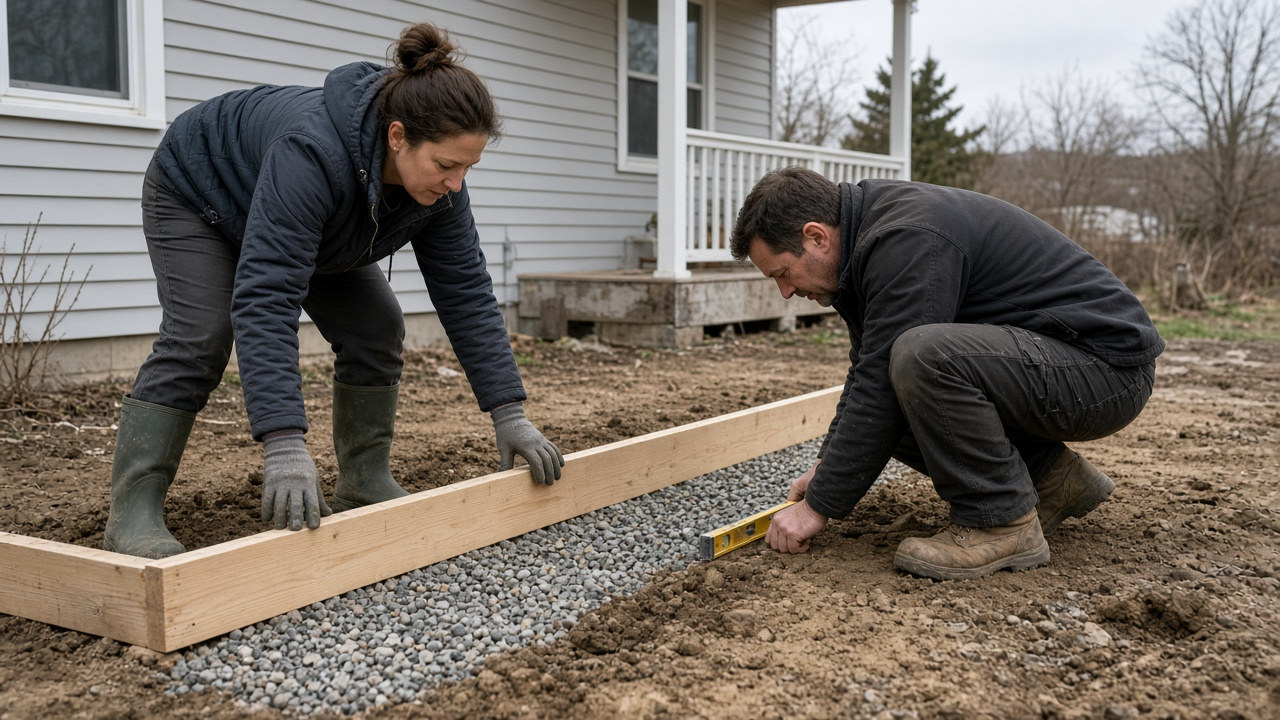
How Do I Hire Labor for a Small Concrete Patio or Walkway?
Starting Your Contractor Business

How Do I Hire Labor for a Small Concrete Patio or Walkway?

A small patio or walkway pour goes better when you hire labor and plan the work before the truck arrives.

NOV 7, 2026·6 MIN READ
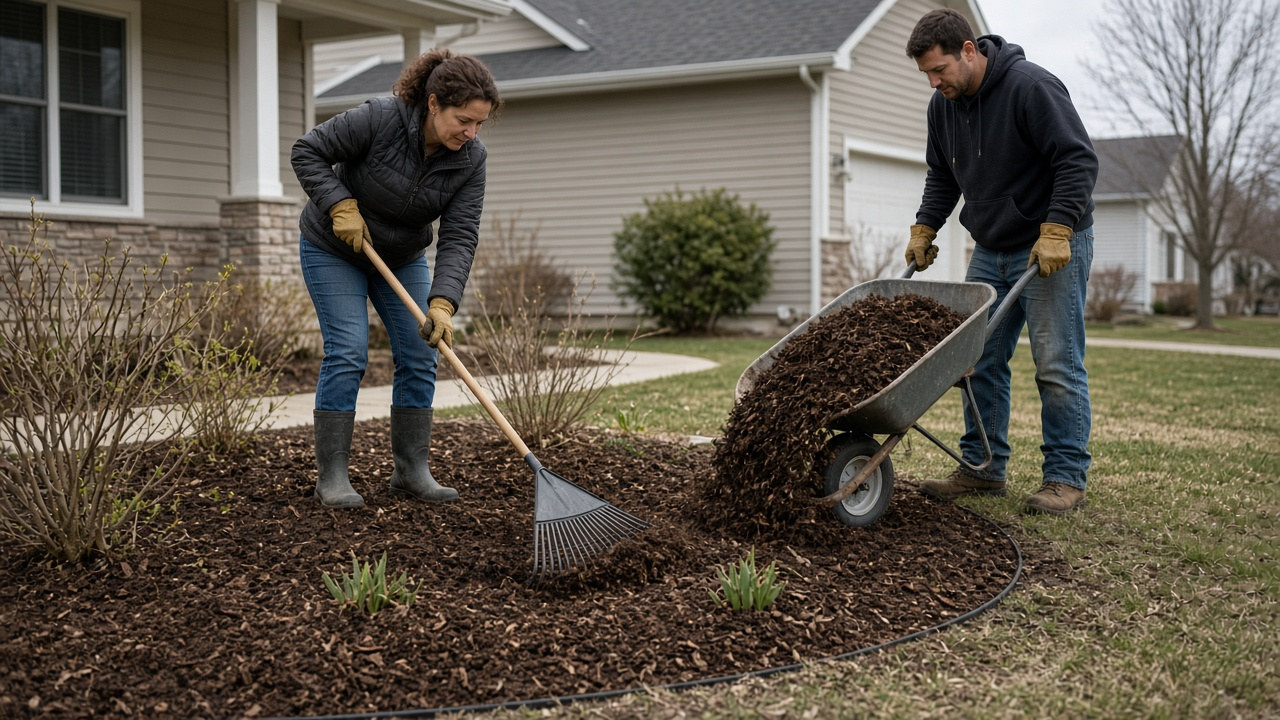
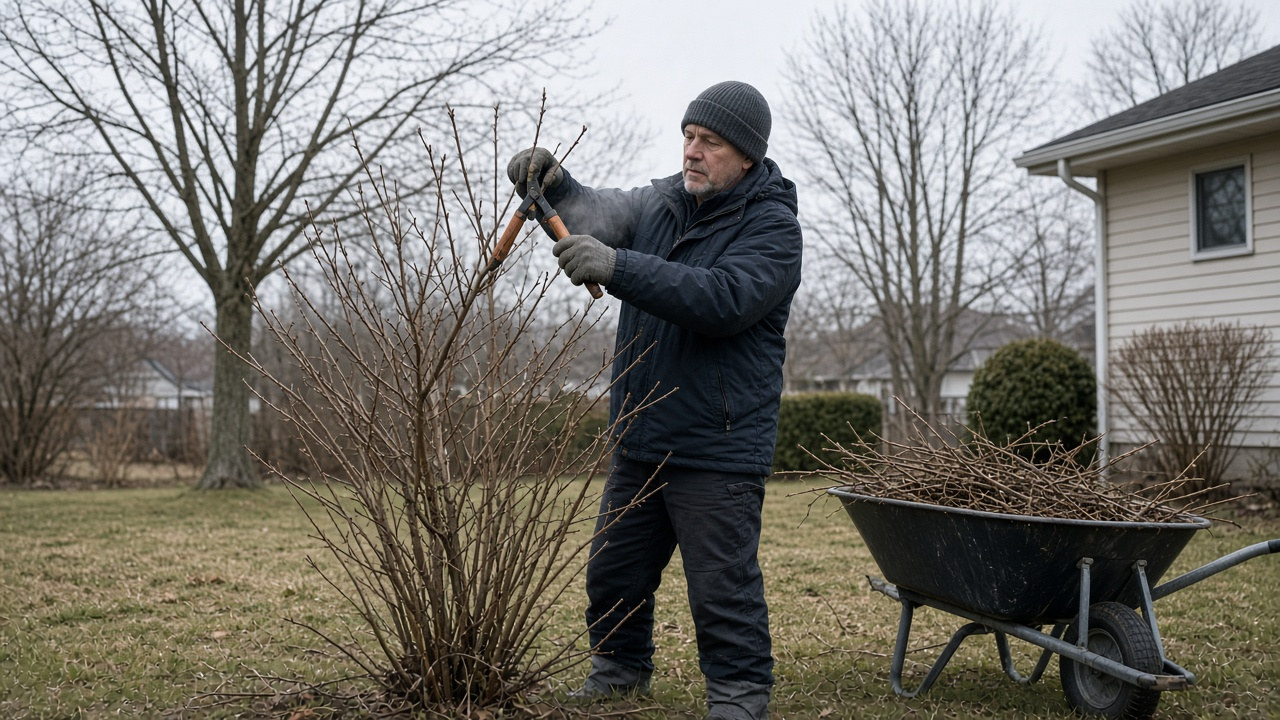
How Do I Hire Help for Spring Yard Cleanup and Mulching?
Starting Your Contractor Business

How Do I Hire Help for Spring Yard Cleanup and Mulching?

Spring yard cleanup and mulching are short labor jobs you can hire out before the growing season starts.

NOV 6, 2026·6 MIN READ
Can I Hire Someone to Paint Indoors During the Winter?
Starting Your Contractor Business

Can I Hire Someone to Paint Indoors During the Winter?

Yes, you can hire indoor painting help in winter, when the house is closed up and outdoor work is slow.

NOV 6, 2026·6 MIN READ
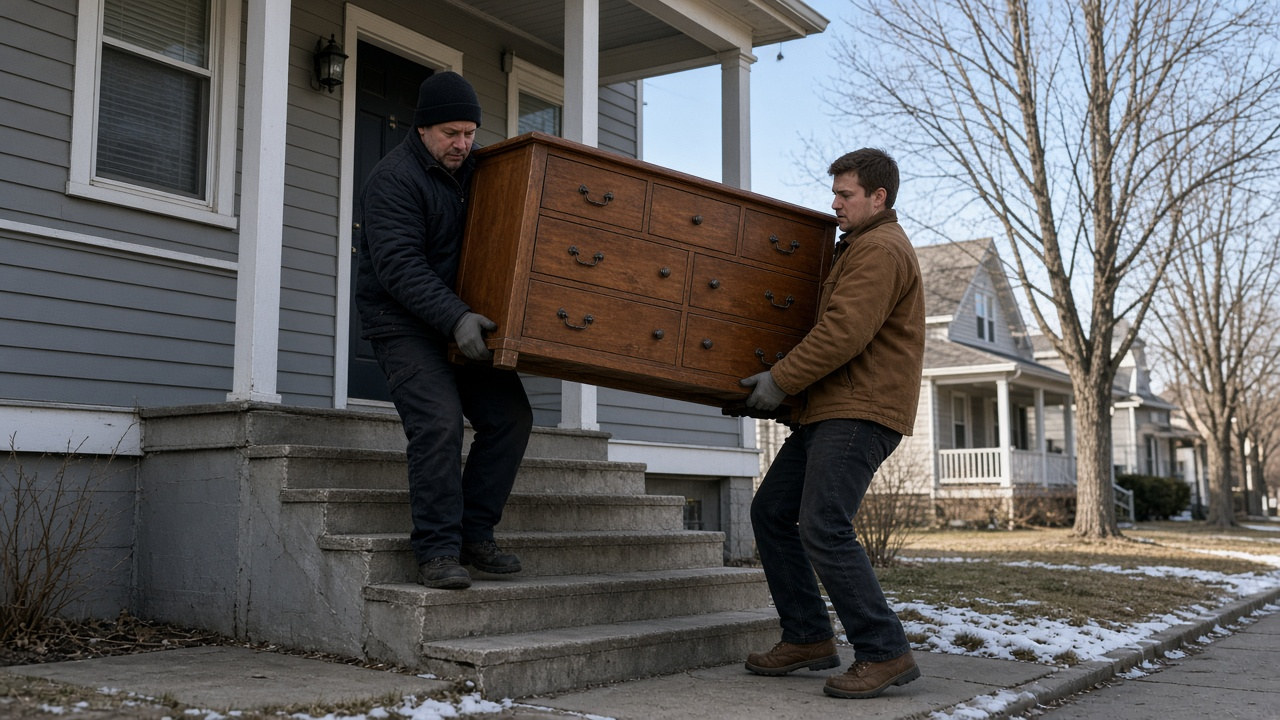
Is January a Good Time to Hire Movers?
Starting Your Contractor Business

Is January a Good Time to Hire Movers?

January can be a good time to hire movers, because it is often slower than the summer moving season.

NOV 5, 2026·6 MIN READ
How Do I Hire Help for a One-Time House Deep Clean?
Starting Your Contractor Business

How Do I Hire Help for a One-Time House Deep Clean?

A one-time house deep clean goes better when you hire help with a clear list and ready supplies.

NOV 4, 2026·6 MIN READ
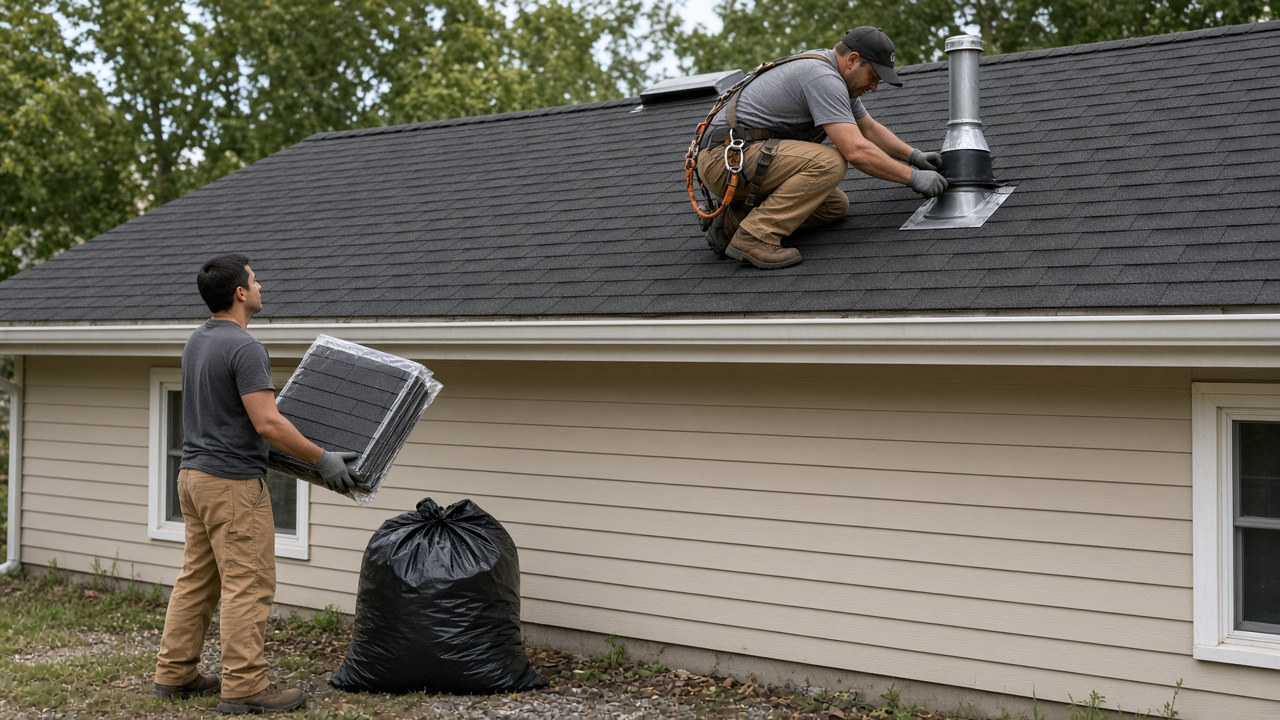
What Roofing Work Can a Helper Do, and When Do I Need a Licensed Roofer?
Starting Your Contractor Business

What Roofing Work Can a Helper Do, and When Do I Need a Licensed Roofer?

A helper can assist on a roof, but licensed roofing work should stay with a qualified roofer.

NOV 4, 2026·6 MIN READ
How Many Helpers Do I Need to Hang Drywall in a Room?
Starting Your Contractor Business

How Many Helpers Do I Need to Hang Drywall in a Room?

Hanging drywall in a typical room usually takes two people, because the boards are heavy and awkward.

NOV 3, 2026·7 MIN READ
Can I Hire a Laborer to Paint a Room, or Do I Need a Painter?
Starting Your Contractor Business

Can I Hire a Laborer to Paint a Room, or Do I Need a Painter?

A laborer can help paint a simple room, but a painter is better when the finish really has to last.

NOV 2, 2026·6 MIN READ
Where Can Day Laborers Get Free Job Training and Safety Classes?
Safety & Training

Where Can Day Laborers Get Free Job Training and Safety Classes?

Day laborers can find free training and safety classes at public job centers and official OSHA programs.

NOV 1, 2026·6 MIN READ
When Do You Need a Licensed Plumber vs. a Plumbing Helper?
Starting Your Contractor Business

When Do You Need a Licensed Plumber vs. a Plumbing Helper?

You need a licensed plumber for most pipe work, and a helper only for the labor around that job.

NOV 1, 2026·6 MIN READ
How Do You Become a Plumber’s Helper?
Pay & Benefits

How Do You Become a Plumber’s Helper?

You can become a plumber's helper by learning the basics, working carefully, and asking a plumber for work.

OCT 31, 2026·7 MIN READ
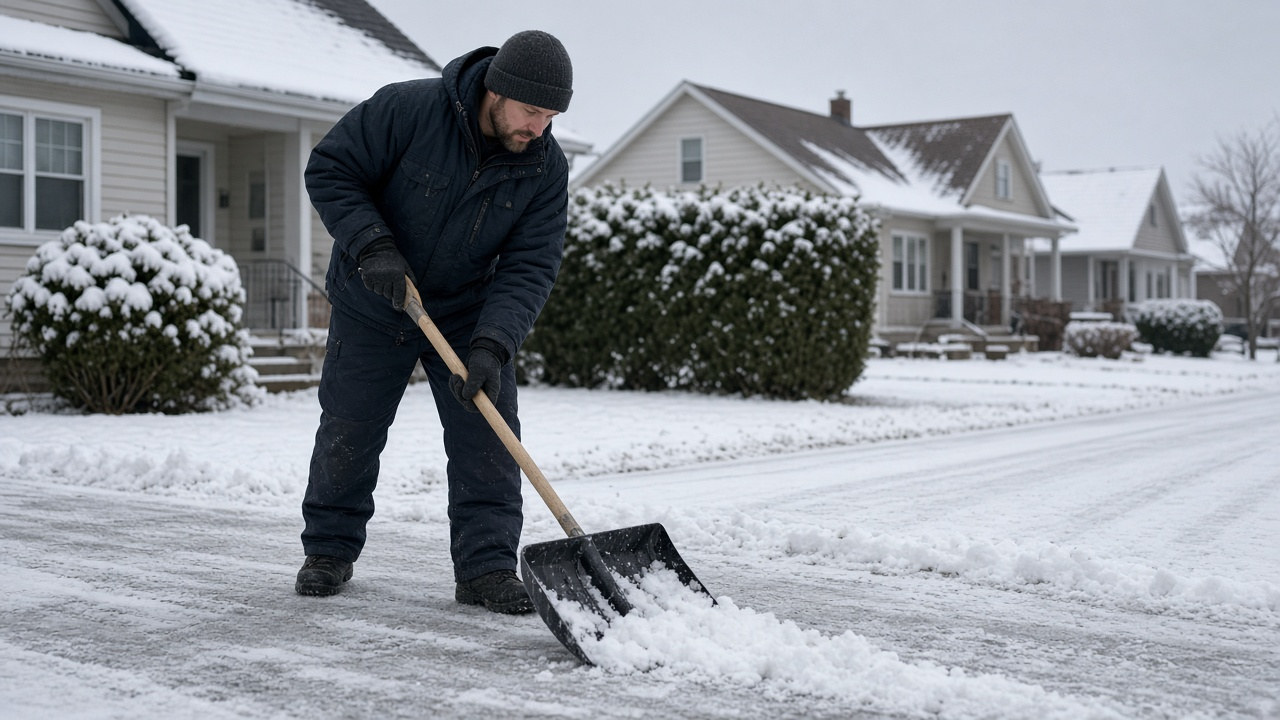
How Do You Find Snow Removal Jobs This Winter?
Starting Your Contractor Business

How Do You Find Snow Removal Jobs This Winter?

Snow removal jobs show up every winter, and you can find them if you prepare early and stay ready.

OCT 30, 2026·6 MIN READ
What Indoor Labor Jobs Can You Find When Outdoor Work Slows Down?
Starting Your Contractor Business

What Indoor Labor Jobs Can You Find When Outdoor Work Slows Down?

When outdoor work slows down, indoor jobs in painting, drywall, cleaning, and remodels can fill the gap.

OCT 30, 2026·6 MIN READ
How Do You Get House Cleaning Jobs With Little Experience?
Starting Your Contractor Business

How Do You Get House Cleaning Jobs With Little Experience?

You can get house cleaning jobs with little experience if you are thorough, reliable, and ready to work.

OCT 29, 2026·7 MIN READ
What Does a Concrete Laborer Do, and How Do You Get Hired?
Work Opportunities

What Does a Concrete Laborer Do, and How Do You Get Hired?

A concrete laborer helps set forms, pour, and finish, and you can get hired without a long resume.

OCT 28, 2026·6 MIN READ
How Do You Get Landscaping Work in the Winter?
Starting Your Contractor Business

How Do You Get Landscaping Work in the Winter?

Winter landscaping work is real, from pruning and cleanup to snow help, if you know where to look.

OCT 27, 2026·6 MIN READ
How Do You Get Roofing Helper Jobs, and What Safety Training Do You Need?
Safety & Training

How Do You Get Roofing Helper Jobs, and What Safety Training Do You Need?

Roofing helper jobs come easier when you know the work, the risks, and the safety training crews expect.

OCT 27, 2026·6 MIN READ
How Do You Become a Painter’s Helper?
Starting Your Contractor Business

How Do You Become a Painter’s Helper?

A painter's helper gets hired by doing careful prep work and showing they can follow directions.

OCT 26, 2026·7 MIN READ
Refreshing a Vacant Unit Before Showings: Labor Property Managers Can Hire
Starting Your Contractor Business

Refreshing a Vacant Unit Before Showings: Labor Property Managers Can Hire

A vacant unit can be photo-ready for showings with a light refresh even when full make-ready is done.

OCT 25, 2026·6 MIN READ
How Do You Get Hired as a Drywall Helper?
Starting Your Contractor Business

How Do You Get Hired as a Drywall Helper?

You can get hired as a drywall helper by learning the basics, arriving ready, and asking crews for work.

OCT 25, 2026·7 MIN READ
Common-Area Upkeep for Property Managers: Walkways, Trash Rooms, and Curb Appeal
Safety & Training

Common-Area Upkeep for Property Managers: Walkways, Trash Rooms, and Curb Appeal

Common-area upkeep is regular labor for walkways, trash rooms, and curb appeal, not a unit turnover.

OCT 24, 2026·6 MIN READ
Organizing an Attic, Basement, or Shed: When to Hire Labor
Starting Your Contractor Business

Organizing an Attic, Basement, or Shed: When to Hire Labor

Hiring labor to organize an attic, basement, or shed works best when you sort first and haul second.

OCT 23, 2026·6 MIN READ
When a Weekend DIY Project Needs a Hired Helper
Starting Your Contractor Business

When a Weekend DIY Project Needs a Hired Helper

A weekend DIY project is a good time to hire a helper when the work gets heavy or runs long.

OCT 22, 2026·6 MIN READ
Getting a Home Photo-Ready for a Listing or Showing
Starting Your Contractor Business

Getting a Home Photo-Ready for a Listing or Showing

A home photographs better for a listing or showing after clutter is cleared and rooms are staged.

OCT 22, 2026·6 MIN READ
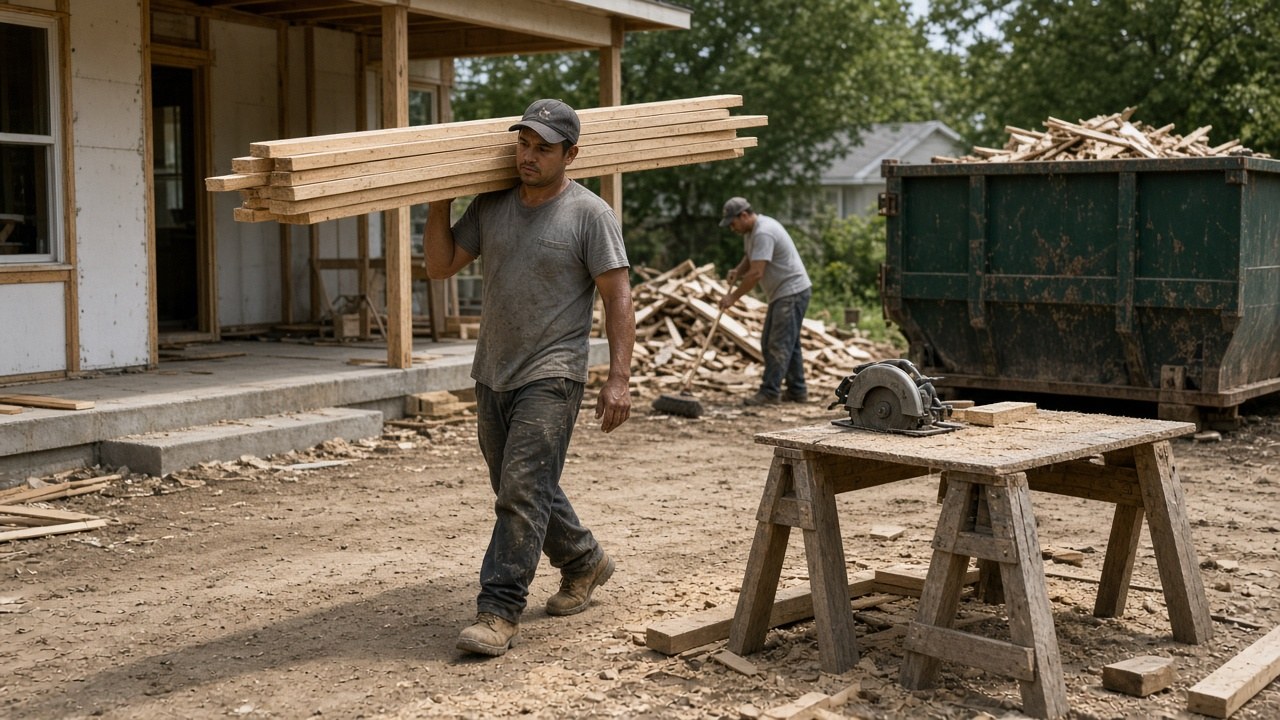
Closing Out a Job: Punch-List and Site-Cleanup Labor for Contractors
Starting Your Contractor Business

Closing Out a Job: Punch-List and Site-Cleanup Labor for Contractors

Closing out a job goes faster when punch-list work and site cleanup have their own labor plan.

OCT 21, 2026·6 MIN READ
Extra Hands for Material Staging and End-of-Day Cleanup
Tools & Equipment

Extra Hands for Material Staging and End-of-Day Cleanup

A laborer who stages materials and cleans at day's end can keep skilled trades moving faster.

OCT 20, 2026·6 MIN READ
Briefing Temporary Helpers on a Contractor’s Jobsite
Starting Your Contractor Business

Briefing Temporary Helpers on a Contractor’s Jobsite

A clear morning briefing helps a temporary helper start safely and stay useful throughout the day.

OCT 20, 2026·6 MIN READ
Weekend, Evening, and Holiday Labor: What’s Realistic to Book?
Work Opportunities

Weekend, Evening, and Holiday Labor: What’s Realistic to Book?

Weekend, evening, and holiday labor is often available, though the pay and notice usually change.

OCT 19, 2026·6 MIN READ
Is It Cheaper to Hire Day Laborers Than a Moving Company?
Work Opportunities

Is It Cheaper to Hire Day Laborers Than a Moving Company?

Labor-only helpers can cost less than a moving company, but only if you supply the truck and plan.

OCT 18, 2026·6 MIN READ
No English? No Problem: How Real-Time Translation Is Changing the Labor Market
Immigration Help

No English? No Problem: How Real-Time Translation Is Changing the Labor Market

For millions of workers and employers, the biggest obstacle to getting a job done isn't skill or experience — it's language. Here's how real-time English–Spanish translation is quietly removing that barrier and opening up the labor market for everyone.

NOV 16, 2026·6 MIN READ
Nobody Showed Up for the Job. Now What?
Work Opportunities

Nobody Showed Up for the Job. Now What?

A no-show can delay an entire project, cost money, and wreck your morning. Here's how hirers can recover fast when a worker doesn't show — and the simple habits that prevent it from happening again.

NOV 15, 2026·8 MIN READ
What Hirers Wish Every Day Laborer Knew Before Showing Up
Work Opportunities

What Hirers Wish Every Day Laborer Knew Before Showing Up

For day laborers, getting hired is only the first step. What turns a one-day job into repeat work is what happens after you accept it. Here's what hirers wish every worker knew before showing up.

NOV 13, 2026·9 MIN READ
Optimizing Workforce Management for Local Businesses
Starting Your Contractor Business

Optimizing Workforce Management for Local Businesses

How local businesses in Champaign-Urbana can manage a flexible workforce, tap real-time hiring, and use technology to run leaner, more responsive operations — and why smart presentation complements a well-run team.

OCT 31, 2026·4 MIN READ
How Real-Time Hiring Enhances Property Management Efficiency
Starting Your Contractor Business

How Real-Time Hiring Enhances Property Management Efficiency

Property managers live and die by fast, reliable responses. How real-time hiring platforms like ChambaNOW help you mobilize skilled labor instantly, cut costs, and keep tenants satisfied — from everyday maintenance to luxury developments.

OCT 17, 2026·4 MIN READ
A Message to Our Workers
Worker Protection

A Message to Our Workers

Your privacy matters. Your safety matters. Your dignity matters. A promise from ChambaNOW to every worker — and how to report a hirer who treats you unfairly.

JUL 3, 2026·3 MIN READ

MORE ARTICLES

How to Match Workers by Skills and Hire Faster

How to Match Workers by Skills and Hire Faster

A crew can be one qualified worker short of a finished job. The right person is not simply someone who has worked in construction or maintenance before. They need the specific ability, credentials, availability, and jobsite readiness the work requires. Knowing how to match workers by skills helps employers fill urgent gaps without creating new delays, safety issues, or costly rework.

For contractors, property teams, and field-service businesses, skill matching should be practical. It is not about collecting the longest resume. It is about getting the right worker to the right job at the right time.

Start with the work, not the job title

Job titles are useful, but they can hide the details that determine whether a worker can perform on day one. A "maintenance technician" may be strong in drywall repair and painting but not qualified to troubleshoot HVAC equipment. A "laborer" may be excellent at site cleanup, material handling, and demolition support but have no experience operating a skid steer.

Define the work in plain language before posting a role or contacting workers. State what must be completed, which tools or equipment are involved, how long the job is expected to last, and whether the worker will work independently or support a crew. This gives qualified people enough information to recognize a good fit and keeps unqualified applicants from guessing.

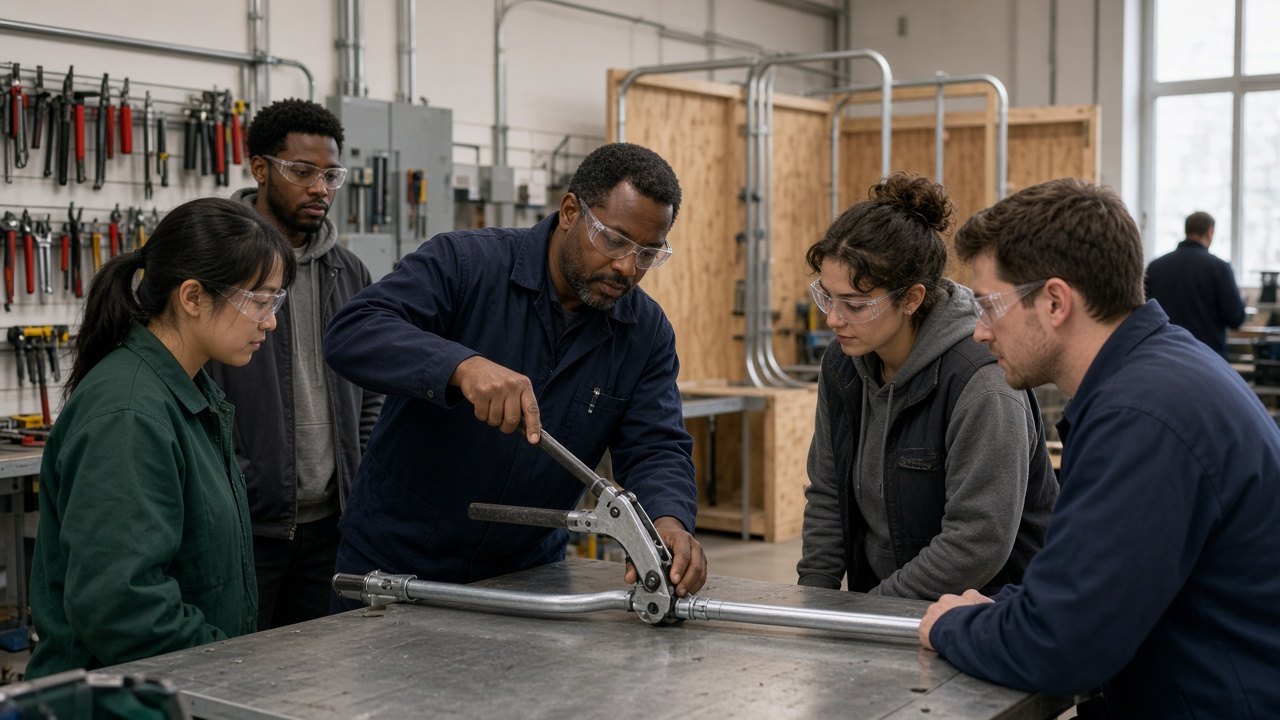
For example, instead of posting for a general electrician, specify whether you need someone for commercial conduit bending, panel work, fixture installation, low-voltage systems, or troubleshooting. Instead of asking for a general laborer, describe whether the role involves loading materials, concrete cleanup, trench support, demolition, or moving equipment.

The more closely the job description reflects the actual work, the faster the match.

Separate must-have skills from preferred experience

Not every requirement should carry the same weight. A fast hire becomes difficult when a job post treats every preference as a nonnegotiable condition. Separate the skills that are essential for safe, successful work from those that would simply make the worker easier to place.

Must-have skills are tied directly to the assignment. They can include a trade specialty, a required license, equipment experience, a certification, the ability to read plans, or a safety requirement. Preferred experience may include familiarity with a particular brand of equipment, experience on a similar project type, or prior work with your company’s processes.

This distinction matters when the need is urgent. If a worker has the core skills, a solid work history, and the right availability, they may be a better choice than someone with a perfect background who cannot start for several days. On a longer or more technical project, the balance may shift. The risk of a weak match is higher when work is specialized, regulated, or difficult to inspect after completion.

Match workers by skills with a simple scorecard

A quick scorecard keeps hiring decisions focused on the job rather than on vague impressions. It also helps different supervisors evaluate workers consistently. Use a short set of factors that matter to the assignment:

  • Trade skill or task experience
  • Required license, certification, or safety training
  • Equipment and tool familiarity
  • Availability, location, and reliable transportation
  • Ability to communicate with the crew, customer, or site lead

Give the most weight to the first two factors. A worker who is nearby and available is valuable, but availability cannot replace a required qualification. For lower-risk support roles, reliability and jobsite attitude may carry more weight than years of specialized experience. For technical trades, verified credentials and proven task experience should lead the decision.

A scorecard does not need to be complicated. A supervisor should be able to review it in minutes and understand why a worker is the best fit for a particular shift, service call, or project phase.

Look beyond hard skills

Hard skills get the job done, but jobsite performance depends on more than technical ability. A skilled worker can still be a poor fit if they cannot follow site procedures, communicate schedule issues, work safely around others, or show up when expected.

For short-term labor needs, confirm the basics early: start time, job location, pay expectations, transportation, required personal protective equipment, and who the worker reports to. These details reduce no-shows and prevent confusion at the gate.

For customer-facing maintenance and service work, communication deserves extra attention. A technician may need to explain an issue to a property manager, document completed work, or coordinate with tenants. For mixed-language crews, bilingual communication can keep instructions clear and help workers participate fully. English-Spanish access is not just a convenience when the job depends on clear safety and task direction.

Verify what matters before the worker arrives

Speed should not mean skipping verification. The goal is to reduce wasted time by checking the information that affects safety, compliance, and job quality before assigning the work.

What to verify depends on the role. A licensed trade may require license confirmation and insurance requirements. Equipment work may call for documented operating experience or site-specific approval. General labor assignments may focus more on work history, identity, transportation, and readiness for the shift.

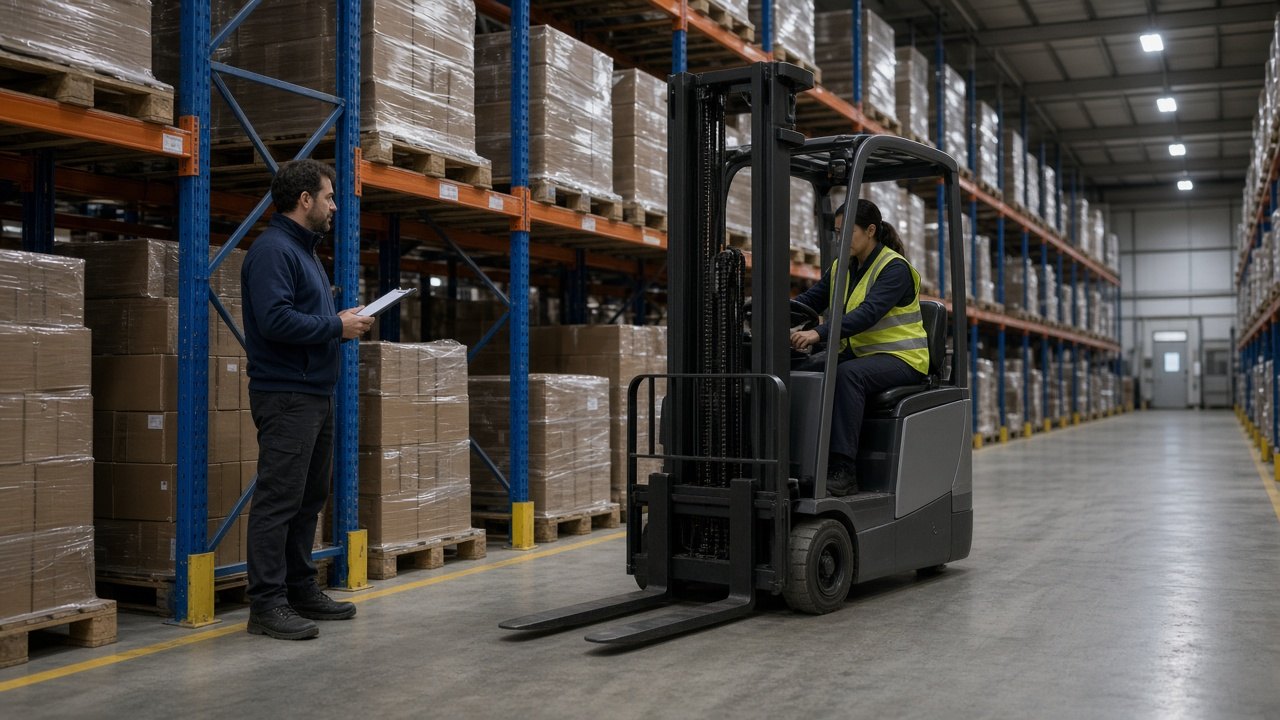
Ask targeted questions tied to the task. If you need a forklift operator, ask about the type of forklift, work environment, load conditions, and recent operating experience. If you need a drywall finisher, ask whether they can tape, mud, match textures, and work from a punch list. Specific questions reveal more than a broad question such as, "Do you have experience?"

Verified worker marketplaces can shorten this step by giving employers a clearer starting point. With ChambaNow, businesses can post jobs free and connect with verified trade and labor workers without relying only on calls, classified ads, or word-of-mouth referrals.

Include availability in every skills match

The best-skilled worker is not the right match if they cannot be on site when the work needs to happen. Availability should be treated as part of the qualification, especially when a delayed task holds up other trades.

Be direct about the schedule. Include the start date, shift hours, expected duration, overtime expectations, and whether the project may extend. Also identify location conditions that affect attendance, such as parking limits, remote access, early gate times, or travel between sites.

Workers benefit from the same clarity. A painter deciding between two opportunities needs to know whether one role is a single-day touch-up job or a two-week interior project. Clear details help qualified workers choose jobs they can complete reliably instead of accepting work that conflicts with another commitment.

Build a feedback loop after each assignment

Every completed job can improve the next match. Ask the site lead a few direct questions: Did the worker have the stated skills? Did they arrive prepared? Was the work completed to the expected standard? Would you hire them again for the same type of work?

Keep feedback tied to observable performance. "Good worker" is less useful than "arrived early, worked safely, completed demolition cleanup, and followed direction without repeated instruction." Over time, these notes help identify workers who are dependable for specific tasks, crews, locations, and project types.

Workers should receive useful feedback as well. If a role required a credential they did not have or a skill they need to strengthen, clear feedback helps them pursue better-fitting work next time. A marketplace works better when matching improves for both sides, not only when employers fill a shift.

Avoid the common matching mistakes

The fastest hiring problems usually start with a vague request. Asking for "two guys for construction" may bring responses, but it does not tell workers whether the job fits their experience, equipment, or schedule. A precise request may feel like an extra minute of work, yet it saves hours of screening and prevents mismatches at the jobsite.

Another mistake is hiring only for technical skill and overlooking reliability. A worker with fewer years of experience who communicates clearly, shows up prepared, and follows direction can be the stronger choice for many roles. The reverse is also true: dependability alone cannot make up for a missing qualification on skilled or regulated work.

Finally, do not treat skill matching as a one-time hiring task. Crew needs change by project phase. The worker you need for demolition is not always the worker you need for finish work, commissioning, repairs, or closeout. Match the person to the next piece of work, not to a broad label.

Better matches begin with a clear job, a realistic view of the skills required, and fast confirmation of availability. When employers describe the work honestly and workers present their real strengths, hiring moves faster and every completed assignment builds a more dependable workforce.

BROWSE BY TOPIC