

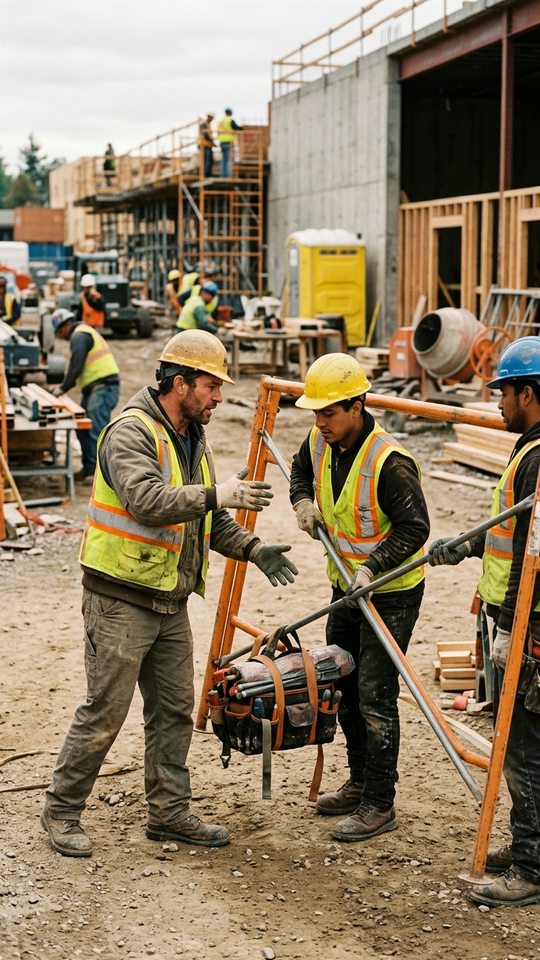

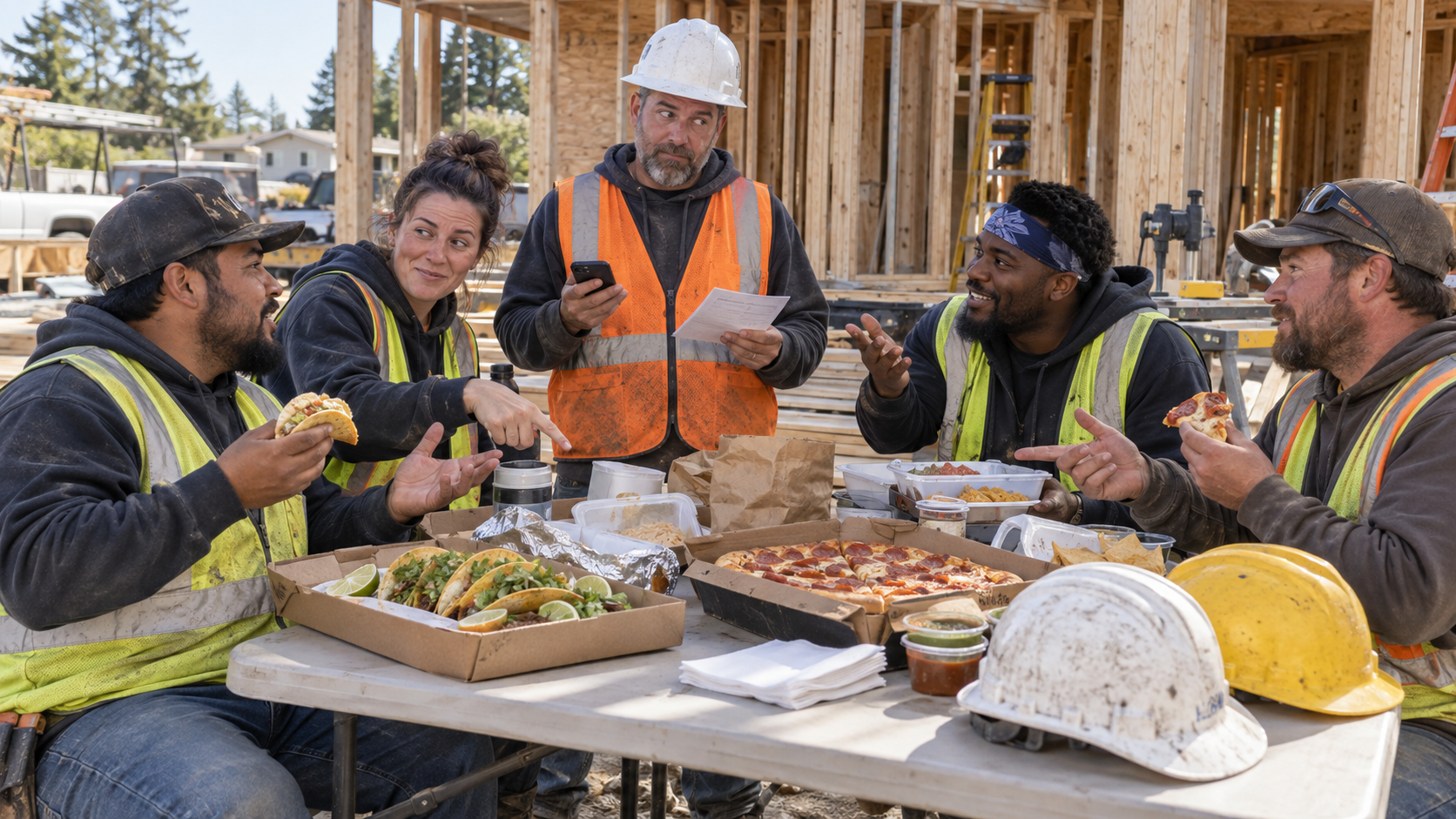

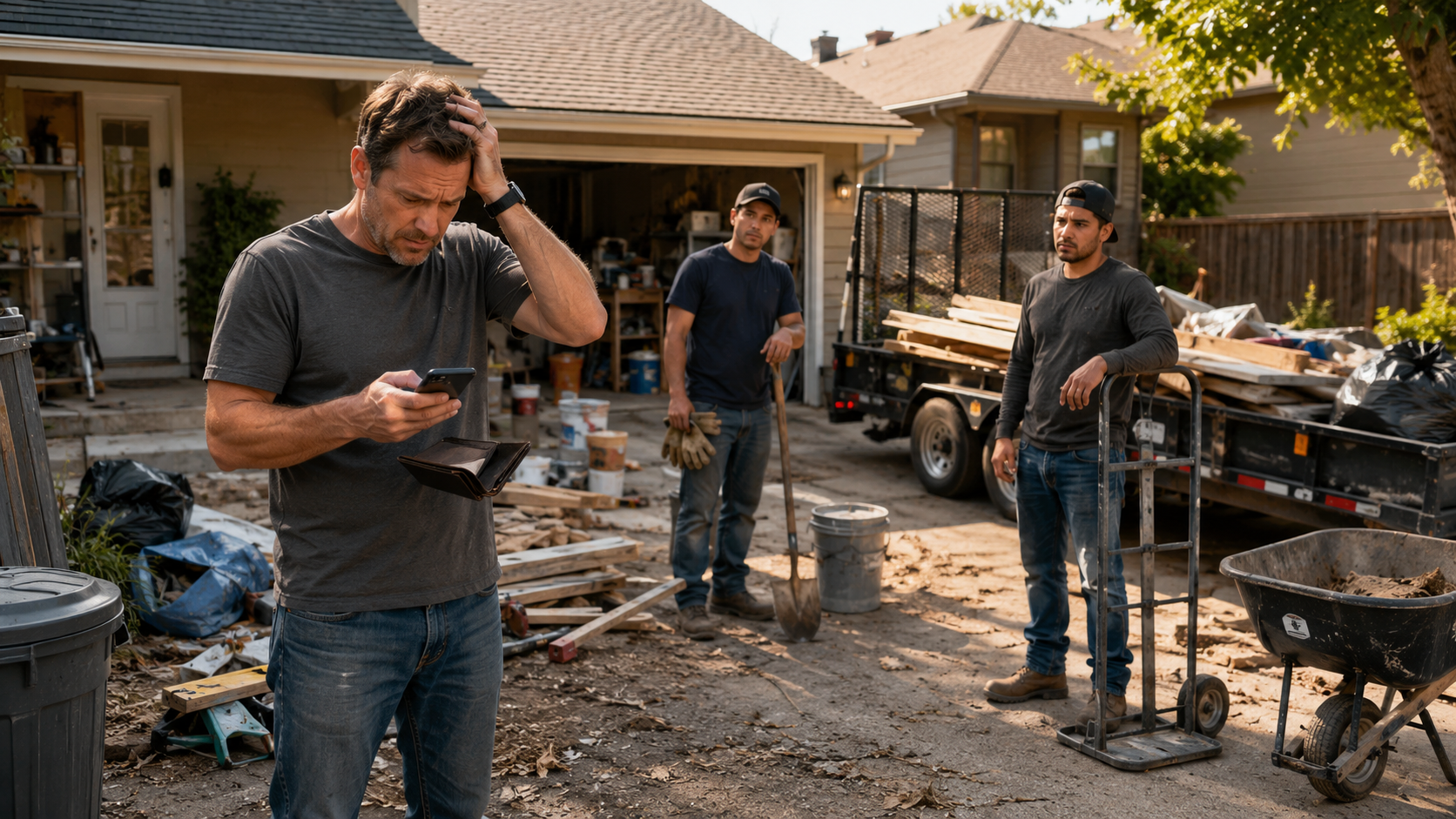
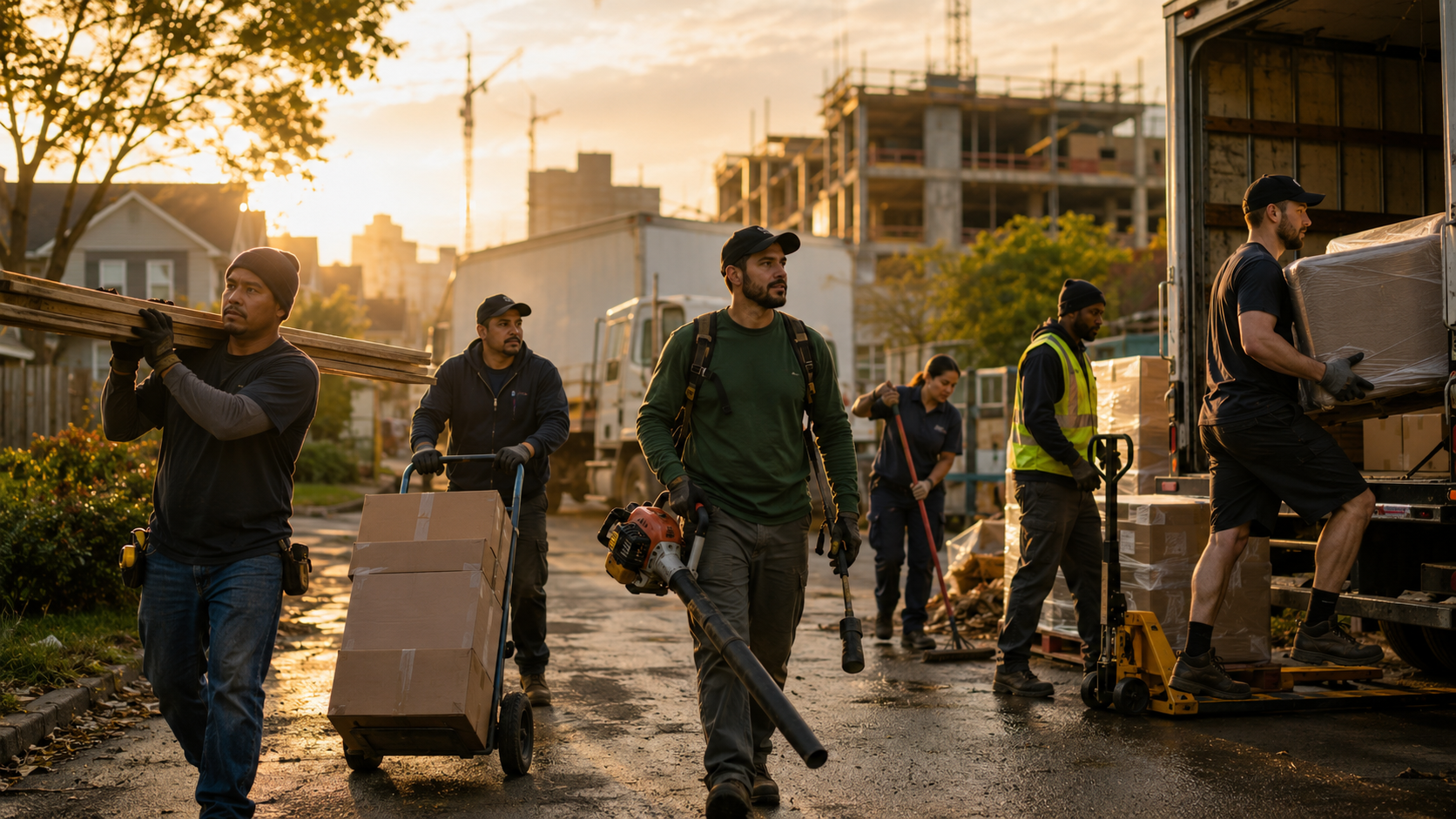































A crew is short two people. A delivery arrives early. A cleanup has to be finished before the next trade comes in. That is where same day labor jobs come from. Employers need capable people now, and workers need a direct way to find real opportunities without waiting days for a callback.
The fastest jobs are not always the best jobs. A good same-day opportunity has clear work details, a defined location, a contact who responds, and pay terms you understand before you leave home. When those basics are in place, fast hiring can work for everyone: the job stays on schedule, and the worker gets a fair shot at immediate income.
How Same Day Labor Jobs Work
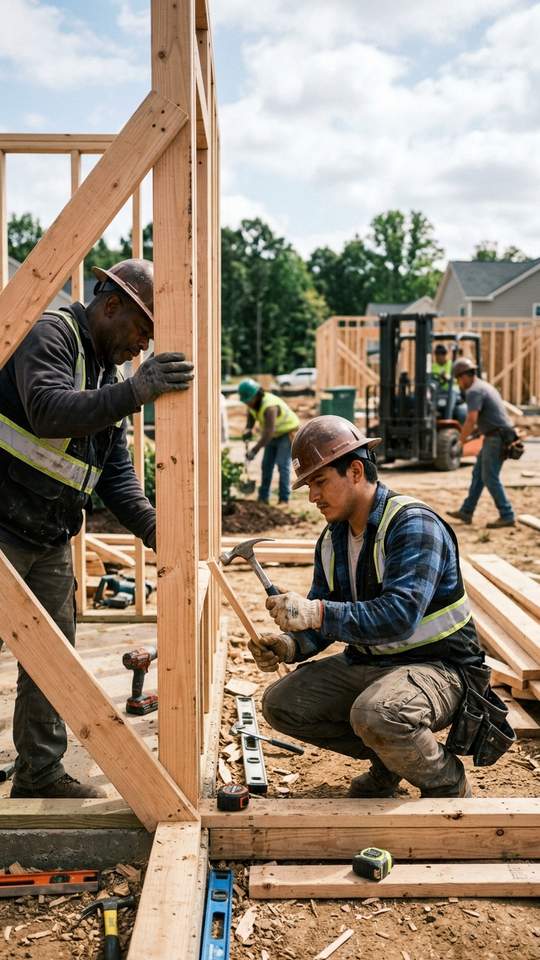
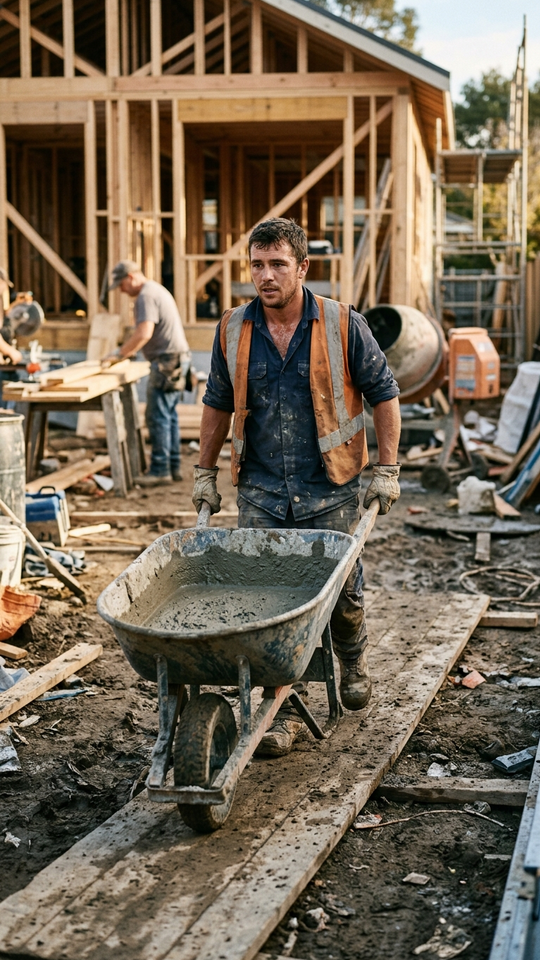
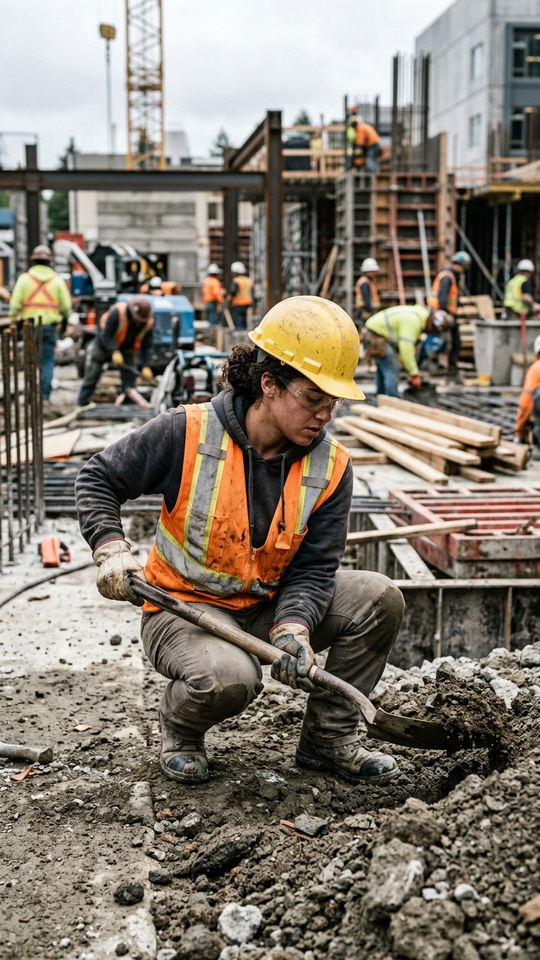
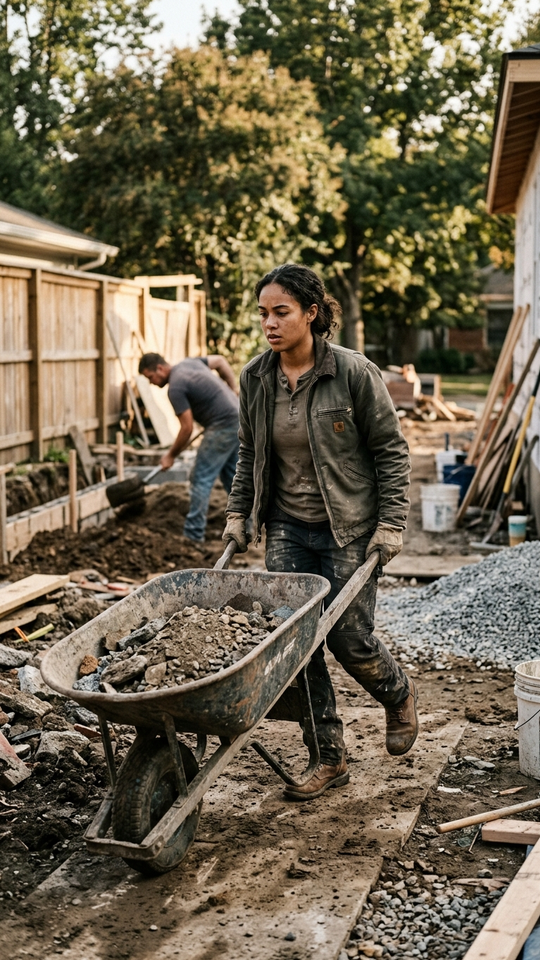
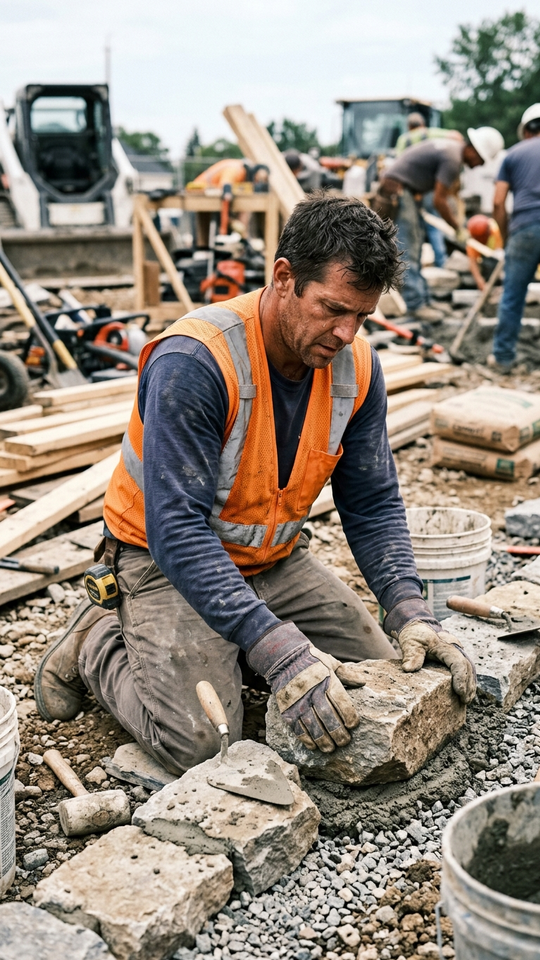
Same-day labor is work that needs to be filled immediately or within a short window, often that morning, afternoon, or next shift. It is common in construction, moving, demolition, landscaping, warehouse support, event setup, maintenance, cleanup, and property turnover. Some jobs need general labor. Others need a specific skill, such as drywall repair, painting, concrete work, forklift operation, plumbing assistance, or electrical support.
The employer posts the work needed, including the location, start time, expected duration, pay, and required experience. Workers review the details and respond if they are available and qualified. The employer can then confirm the right person quickly instead of calling through a long list or relying only on word of mouth.
Speed matters, but fit still matters. A worker with reliable transportation and commercial construction experience may be the right choice for a jobsite cleanup at 6 a.m. That same worker may not be the right fit for a warehouse role that requires a current forklift certification. The clearest job posts attract better responses and reduce no-shows.
What Makes a Same-Day Job Worth Taking
Before accepting work, read beyond the hourly rate. A job that looks simple can become expensive if it requires a long drive, specialized tools, unpaid waiting time, or work that does not match your experience. The goal is not to say yes to every shift. It is to say yes to work you can perform safely and professionally.
Confirm the exact address, start time, parking instructions, site contact, and expected end time. Ask whether you need boots, a hard hat, safety glasses, gloves, tools, a vehicle, or proof of certification. If the job involves lifting, demolition, roofing, machinery, chemicals, confined spaces, or working at height, make sure you know the conditions before arriving.
Pay should be just as clear. Know whether the role is hourly, day-rate, project-based, or overtime eligible. Confirm how hours are tracked, when payment is issued, and whether you are being hired as an employee or an independent contractor. Those classifications can affect taxes, insurance, and who provides equipment. If an employer cannot explain the terms plainly, pause before accepting.
A legitimate urgent job does not need vague details. “Need help now” is not enough information. A useful post explains the task, required skill level, schedule, pay, and who to contact. Clear details protect workers and help employers get applicants who are ready to contribute.
How to Find Same Day Labor Jobs Faster
Availability is a skill in urgent hiring. Employers often choose the first qualified worker who communicates clearly, can arrive on time, and understands the assignment. Keep your profile or work information current so you are not rebuilding it every time a job appears.
Start with the basics: your trade skills, years of experience, service area, transportation, languages spoken, tools you own, and any active licenses or certifications. If you have experience with framing, painting, concrete, landscaping, moving, cleanup, maintenance, welding, or warehouse work, name it directly. “Hard worker” is positive, but specific skills help an employer make a decision in minutes.
When you respond to a job, keep the message short and useful. State that you are available, when you can arrive, and what relevant experience you bring. For example: “Available today. I can be onsite by 8:30 a.m. I have three years of demolition and cleanup experience, steel-toe boots, and reliable transportation.” That gives the employer what they need to move forward.
Turn on job notifications if the platform offers them. Same-day opportunities can fill quickly, especially for straightforward labor shifts. Check your phone, voicemail, and messages consistently after you apply. If you cannot take a call, respond with a realistic time when you can confirm availability.
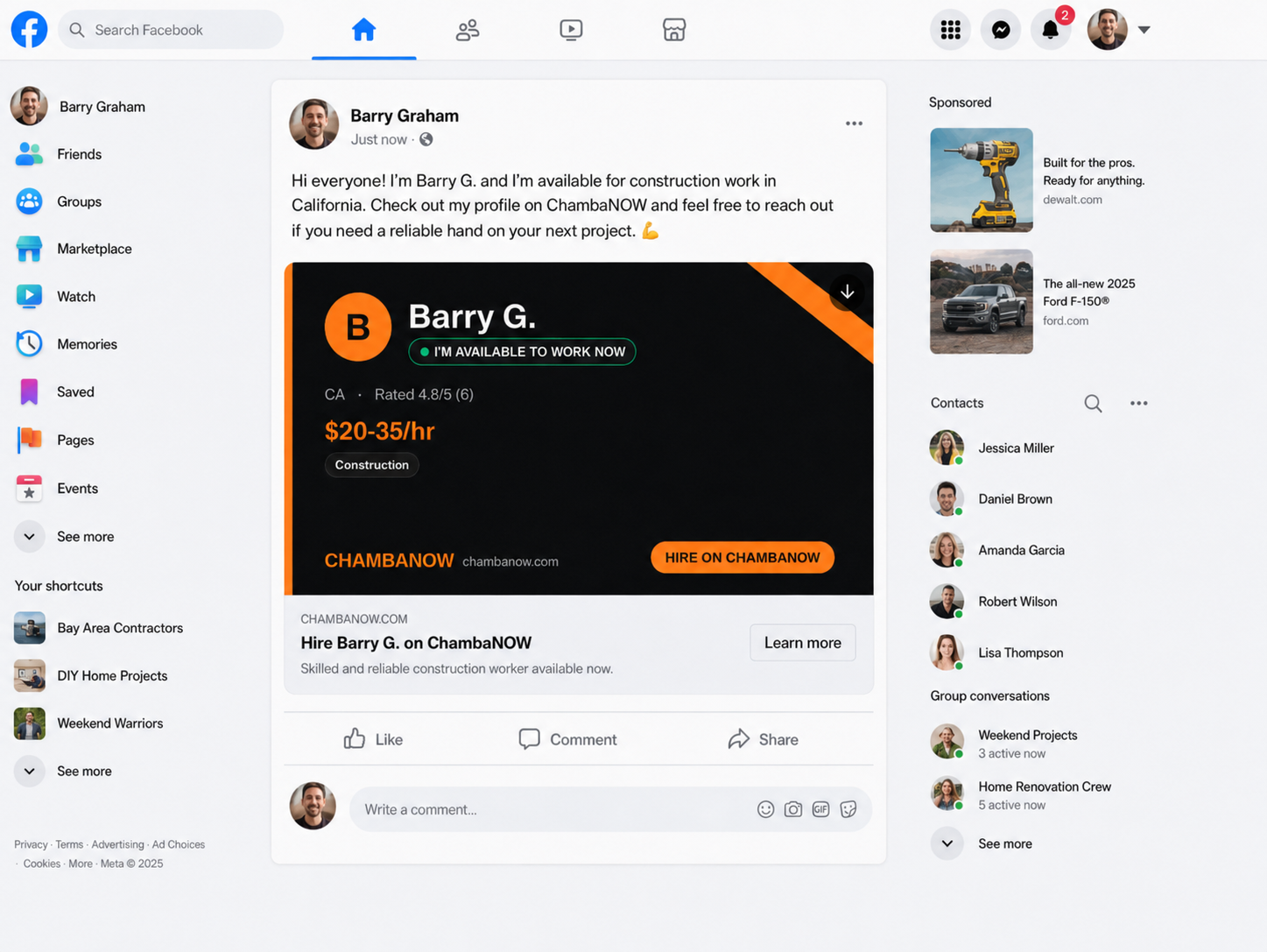
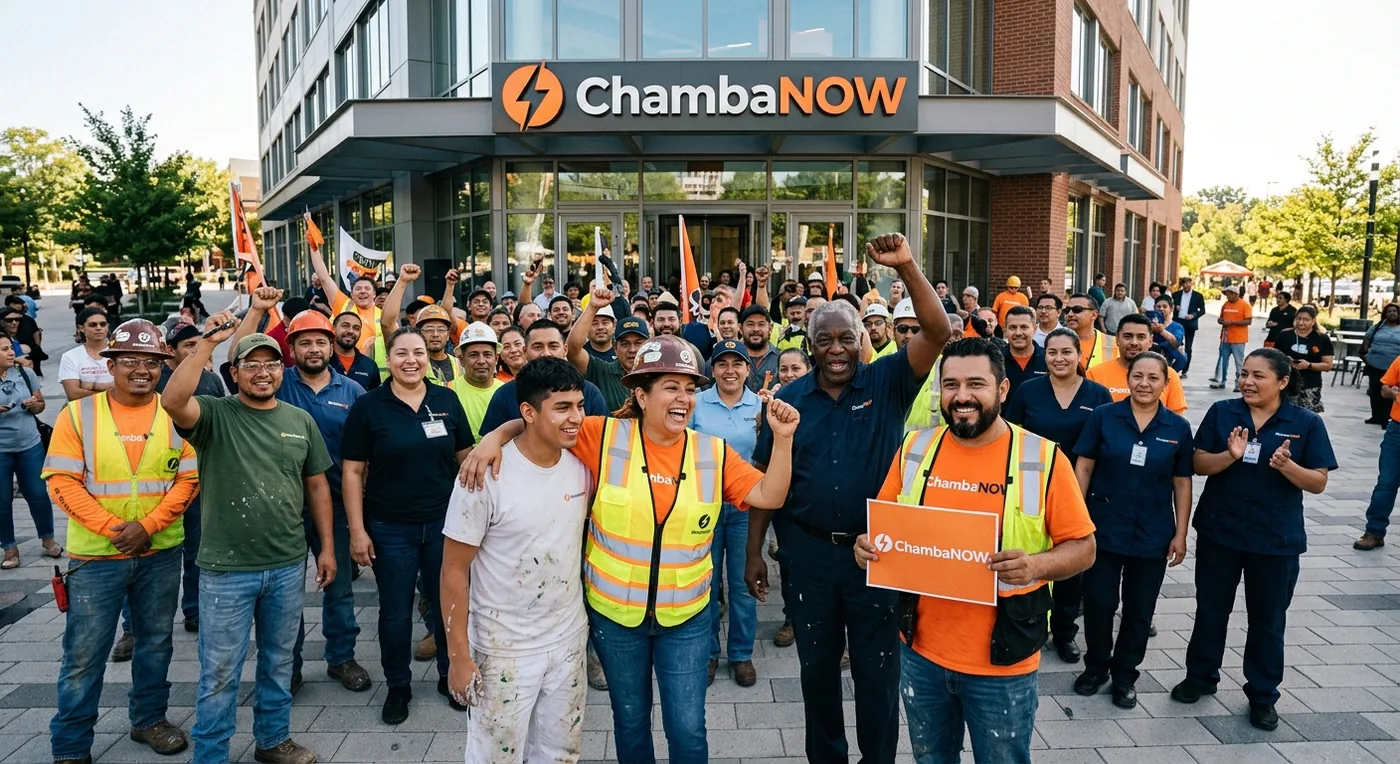
ChambaNow is built for this kind of fast connection, helping workers find work and employers post jobs free while making verified marketplace participation part of the process. For bilingual crews, the ability to communicate job requirements in English and Spanish can prevent avoidable confusion before the shift begins.
Be ready before the job appears
Workers who land urgent jobs consistently usually prepare before they need the next shift. Keep your identification, work documents, certifications, and direct-deposit or payment information organized. Charge your phone overnight. Keep appropriate work clothing clean and ready. Know the fastest routes to the areas where you are willing to work.
It also helps to set your own limits. Decide the minimum rate, maximum travel distance, types of work you will accept, and equipment you can safely use. You can respond faster when you have already made those decisions. You are less likely to accept a job that creates a problem later.
Show Up Like Someone They Will Hire Again
Getting selected is only the first step. Same-day work often leads to repeat shifts, referrals, and longer assignments when you make the employer's day easier. Arrive early enough to park, check in, and receive instructions before work starts. If traffic or an emergency will make you late, contact the job lead as soon as you know.
Bring the gear the post requested, but do not assume you should bring or operate equipment you are not trained to use. Follow site rules, use required personal protective equipment, and ask when instructions are unclear. Fast work should never mean unsafe work.
At the end of the shift, confirm your hours with the supervisor and ask whether there is work tomorrow or later in the week. This is not pushy. Reliable workers are valuable, and many employers prefer calling back someone who already knows the site instead of starting the search again.
A Better Way for Employers to Fill an Urgent Shift
For employers, speed starts with a job post that answers the questions workers will ask anyway. Include the job title, skill requirements, location, start time, expected hours, pay range or rate, safety requirements, tools needed, and the best contact method. Mention whether the job is one day, several days, or open-ended.
Be honest about the work. If the shift includes heavy lifting, heat, dust, cleanup, stairs, or overtime, say so. The right worker will appreciate the clarity. Hiding difficult conditions may get more responses, but it increases the chance of late cancellations, poor fit, and turnover before the job is complete.
Respond quickly once qualified workers apply. A strong candidate may be considering several shifts, and a delayed reply can cost you the person you need. Confirm the assignment in writing, provide arrival instructions, and have someone ready to greet the worker onsite.
Verification is useful, but it is not a replacement for jobsite management. Confirm relevant qualifications for skilled tasks, explain hazards, provide proper supervision, and follow applicable wage, safety, insurance, and worker-classification requirements. The right platform can shorten the search. It cannot remove an employer's responsibility to run a safe, lawful workplace.
Build a Work Record That Creates More Options
Same-day jobs can be a short-term answer, a way to fill gaps between projects, or a path to steady relationships with contractors and property operators. It depends on your goals and the quality of the assignments you accept. Treat each shift as a chance to demonstrate the skills employers struggle to find: reliability, communication, safe work habits, and respect for the crew.
Keep track of completed jobs, the type of work performed, hours worked, and contacts who may hire again. Over time, that record makes it easier to choose better opportunities and show employers where you add value. The next urgent shift may be a one-day job, but arriving prepared can make it the first day of a stronger work connection.