
Ten Things That Should Be Settled Before Anyone Picks Up a Shovel
A shovel is a simple tool. You push it into the ground, move some dirt, and repeat until the job is finished.
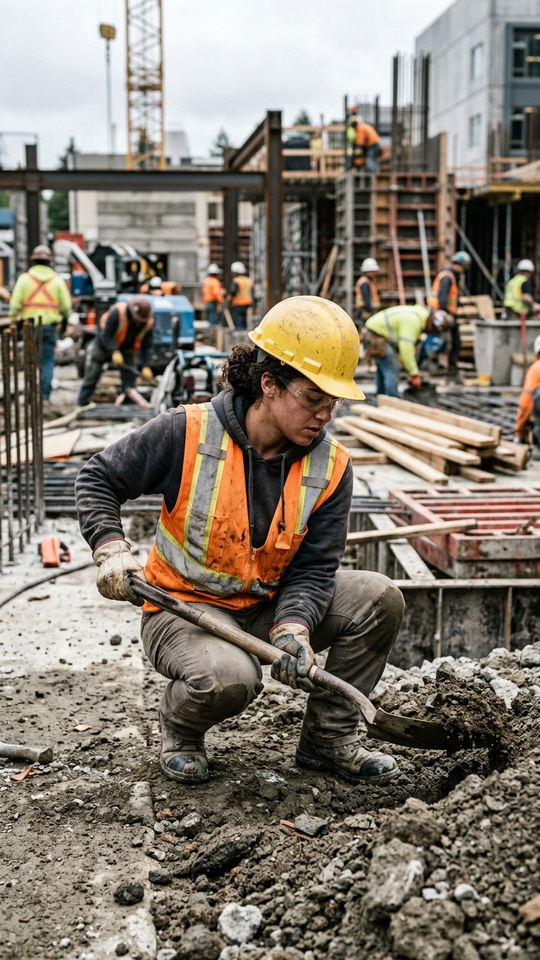
A shovel is a simple tool. You push it into the ground, move some dirt, and repeat until the job is finished.
That is the theory.
In reality, the moment someone picks up a shovel, unanswered questions begin crawling out of the soil:
Where exactly are we digging? How deep? Who checked for underground utilities? Where is all this dirt going? Why is there concrete six inches below the grass? And who said this would only take an hour?
Whether you are planting trees, removing landscaping, digging a trench, installing irrigation, setting fence posts, or preparing a construction site, a few minutes of planning can prevent hours of confusion.
Before the first shovel enters the ground, settle these ten things.
1. What Exactly Are We Digging?
“Dig a hole” is not a complete job description.
Workers need to know:
- How many holes, trenches, or planting areas are required
- The approximate length, width, and depth
- What the excavation is for
- Whether the sides must be straight or sloped
- Whether the bottom must be level
- Whether exact placement matters
A hole for a small plant is very different from a hole for a fence post, drainage system, tree, footing, or backyard swimming pool that appeared in the homeowner’s imagination last Tuesday.
Mark the digging area with stakes, flags, chalk, or landscape paint. Walk the site with the workers before work begins.
“Somewhere over there” is how fences end up three feet from where everyone wanted them.
2. Has Anyone Checked What Is Underground?
The ground is not empty. It may contain electrical lines, gas pipes, water lines, sewer pipes, irrigation tubing, communication cables, and the remains of somebody’s ambitious sprinkler project from 1998.
Before digging, make sure underground utility locations have been properly checked and marked. Follow the notification and safety requirements for your location, and do not assume a shallow hole is automatically safe.
Private lines may also exist that are not identified through ordinary public-utility marking services. These can include irrigation systems, landscape lighting, pool equipment, septic components, and lines running to sheds or detached buildings.
Ask the property owner what they know. Look for utility boxes, meters, sprinkler heads, patched pavement, and unusually straight lines in the landscaping.
One careless shovel strike can turn a landscaping job into a neighborhood event.
3. Who Is Providing the Tools?
Do not wait until the crew arrives to discover that everyone thought someone else was bringing the shovels.
Confirm which tools are needed and who will supply them. Depending on the job, that might include:
- Shovels and spades
- Picks or mattocks
- Post-hole diggers
- Digging bars
- Wheelbarrows
- Rakes
- Buckets
- Measuring tapes
- Levels
- Stakes and marking paint
- Saws or root cutters
- Personal protective equipment
Workers should also know whether powered equipment will be available, such as an auger, trencher, jackhammer, or compact excavator—and who is qualified and authorized to operate it.
A worker showing up ready to dig should not be expected to pull a wheelbarrow out of a jacket pocket.
4. What Kind of Ground Are We Dealing With?
All dirt is not created equal.
Soft garden soil may be easy to move. Hard clay can behave like pottery. Rocky ground may require picks and digging bars. Dry soil can become nearly concrete, while saturated ground can collapse, stick to tools, and transform the entire site into a mud-based comedy.
There may also be:
- Thick roots
- Buried concrete
- Construction debris
- Old fence posts
- Landscape fabric
- Gravel
- Tree stumps
- Irrigation lines
- A mysterious object everyone agrees not to identify
Tell workers what is known about the soil and site. Recent photos help, but they cannot reveal everything below the surface.
If the ground condition is uncertain, build flexibility into the schedule and price. A digging estimate based on soft soil may no longer apply after the first shovel bounces off a buried slab.
5. How Much Labor Is Actually Needed?
One person can dig a hole. That does not mean one person should dig every hole.
Estimate the volume of material being removed, the difficulty of the soil, the distance dirt must be transported, and the amount of time available. Some projects require one skilled worker. Others are faster and safer with a small crew.
For example, digging may involve several separate tasks:
- Breaking the ground
- Removing soil
- Loading wheelbarrows
- Transporting material
- Measuring depth and alignment
- Managing tools and supplies
- Backfilling and compacting
- Cleaning the site
If one worker must perform every step alone, the job may take much longer than expected.
“He has two hands” is technically true, but it is not a crew-size calculation.
6. Where Is the Dirt Going?
Every hole creates dirt. The dirt does not disappear simply because nobody discussed it.
Before digging begins, decide whether the excavated material will be:
- Reused for backfilling
- Spread elsewhere on the property
- Stockpiled temporarily
- Loaded into a truck or trailer
- Placed in a dumpster
- Hauled to an approved disposal location
Identify where workers should place the soil and how far it must be moved. Carrying dirt five feet is different from pushing loaded wheelbarrows uphill, around a building, and across a parking lot.
Also remember that disturbed soil occupies more space than compacted soil in the ground. The tidy trench you planned can produce an unexpectedly impressive dirt pile.
If hauling is required, include it in the job description. “Dig trench” and “dig trench, load all soil, haul it away, and clean the street” are not the same assignment.
7. What Happens If the Job Gets Bigger?
Digging jobs are famous for discovering additional work.
A narrow trench encounters a concrete slab. A fence-post hole hits a large root. A sprinkler repair reveals a damaged pipe running another 15 feet. A tree removal uncovers a root system that appears emotionally committed to the property.
Before work begins, agree on how unexpected conditions will be handled.
Discuss:
- Who has authority to approve extra work
- Whether workers should stop and report obstacles
- How additional time will be paid
- Who will purchase extra materials
- Whether there is a spending or time limit
- What happens if specialized equipment is needed
The worker should not quietly add six hours of work without approval. The hirer should not quietly add six hours of work while insisting it is still the original job.
A simple rule helps: when the scope changes, pause, discuss it, and agree before continuing.
8. What Is the Pay Arrangement?
Settle the pay before anyone begins working.
Confirm:
- The hourly rate or flat project price
- Any minimum number of paid hours
- The expected schedule
- How approved additional time will be handled
- Whether transportation or hauling is included
- The payment method
- When payment will be made
- Who is responsible for purchasing materials
Flat-rate jobs need a particularly clear scope. If the agreement is $200 to dig five marked post holes, adding three more holes should trigger a new agreement.
Hourly jobs also need boundaries. Workers should know when the clock starts, how breaks are handled, and who approves extra hours.
Nobody should have to stand beside an open trench at sunset debating what the words “the whole area” meant that morning.
9. Are the Basic Jobsite Needs Covered?
People doing physical work need more than tools and enthusiasm.
Before the job begins, address:
- Drinking water
- Restroom access
- Shade or cooling breaks in hot weather
- A place to store personal belongings
- Safe parking or a designated meeting point
- First-aid supplies
- Lighting if work may continue near dusk
- Access through gates, buildings, or secured areas
Extreme heat can make digging dangerous very quickly. Plan the hardest work for cooler parts of the day when possible, allow appropriate breaks, and make drinking water readily available.
Workers should also know whether dogs, livestock, children, tenants, vehicles, or customers will be moving through the work area.
A territorial dog named Cupcake can change the project schedule considerably.
10. What Does “Finished” Look Like?
A job can be complete to one person and only half-finished to another.
Before work begins, define the final result.
Does completion include:
- Reaching a specific depth
- Keeping the trench straight
- Installing the pipe, post, or plant
- Backfilling the excavation
- Compacting the soil
- Grading the area
- Replacing sod or gravel
- Removing excess dirt
- Washing pavement
- Hauling away debris
- Returning tools and materials to storage
Photos, measurements, sketches, and marked locations can make the expected result much clearer.
At the end of the job, inspect the work together. If something needs correction, discuss it before the crew packs every tool into the truck and enters freeway traffic.
A Five-Minute Conversation Can Save a Four-Hour Argument
Most digging-job disagreements are not really about digging. They begin with missing information.
The worker thought the dirt would remain on the property. The hirer expected it to be hauled away. The worker priced soft soil. The ground contained concrete. The hirer expected six holes. Only four were marked. Everyone assumed someone else had checked for underground lines.
These problems are easier to prevent than to untangle.
A strong job post should clearly explain:
- The exact work
- The dimensions and quantities
- Known ground conditions
- Tools and equipment
- Crew size
- Dirt removal
- Pay and schedule
- Site access
- Safety considerations
- The expected finished result
Include several current photos and invite workers to ask questions before accepting the job.
ChambaNOW helps hirers connect with local workers for landscaping, construction, cleanup, moving, maintenance, and other hands-on work. Clear job details and direct communication help both sides agree on the assignment before work begins.
Because once the shovel is in the ground, it is a little late to mention the swimming pool.
Written by Barry Graham, Founder, ChambaNOW
Watch the video
Building knowledge that works.