


























A no-show electrician, a delayed concrete pour, or an unexpected maintenance call can put an entire day behind. When the work cannot wait, you need more than a generic job ad. You need to know how to post urgent trade jobs in a way that gets the right workers to respond quickly - and gives them enough information to say yes.
Urgent hiring is not about writing more. It is about removing uncertainty. Skilled workers want to know what the job is, where it is, when they need to arrive, what they will be paid, and whether the site is ready for them. Give clear answers upfront, and you can spend less time chasing replies and more time getting your crew back to work.
Start With the Job Details Workers Need Now
The fastest job posts are specific from the first line. Avoid broad labels such as “help needed” or “construction worker needed ASAP.” Those descriptions may attract responses, but they also create extra calls, mismatched applicants, and last-minute cancellations.
Lead with the trade, the immediate task, and the start time. For example: “Need two drywall finishers in Dallas today at 1:00 p.m. for tape, mud, and texture repair.” A qualified worker can quickly decide whether the work fits their skills and schedule.
Your post should answer the practical questions a worker will ask before committing: the job location, start date and time, expected duration, pay rate or pay structure, required experience, tools or equipment needed, and site requirements. If parking is limited, safety gear is required, or the worker must bring a specific tool, say so. Small details prevent big delays.
Be realistic about the duration. A two-hour repair is different from a three-day commercial cleanup job. If the timeline could change, explain that too. Workers appreciate a direct expectation more than a vague promise of “ongoing work.”
How to Post Urgent Trade Jobs That Get Responses
A strong urgent post has a simple structure: identify the work, state the urgency, set the conditions, and make the next step easy. The goal is not to sound formal. The goal is to help qualified people act.
Start with a title that names the role and location. “Emergency HVAC technician needed in Phoenix today” is clearer than “Urgent opening.” Then use the first sentence to describe the work itself. Is the technician diagnosing a rooftop unit? Is a plumber repairing a commercial leak? Is a laborer needed to unload materials before a morning delivery?
Next, give the schedule and pay information. If the work starts within a few hours, use an exact time instead of “immediately.” “Arrive by 10:30 a.m.” creates a real decision point. Include the rate when you can. Pay transparency filters out workers who are not available at that rate and helps serious candidates move faster.
Finish with requirements that truly matter. A forklift operator may need current certification. A welder may need experience with a specific process. A general laborer may need to lift a stated amount and have reliable transportation. Keep the list short. If every preference becomes a requirement, you may eliminate capable workers who could get the job done.
Here is the difference between a weak and useful post:
Weak: Need a handyman ASAP. Call now.
Useful: Need an experienced handyman in Tampa today, 12:00 p.m. to 6:00 p.m., for door hardware repairs and minor drywall patching at a retail site. Bring basic hand tools. Pay is $32 per hour. Must have reliable transportation and be able to check in by 11:45 a.m.
The second post does not guarantee a hire, but it gives the right person enough information to respond with confidence.
Set a Pay Rate That Matches the Urgency
Urgent work often costs more than scheduled work. That is not a failure of planning. It is the reality of asking someone to change their day, travel on short notice, or work outside normal hours.
Before posting, decide whether the job calls for a standard hourly rate, a premium rate, a minimum number of paid hours, or a fixed project amount. The right choice depends on the work. A short emergency repair may need a call-out minimum. A full-day labor need may be best with an hourly rate and a clearly stated end time.
Do not hide the pay conversation if speed is your priority. Workers who need to ask for basic rate details may move on to a clearer opportunity. If your budget is fixed, state it plainly and focus on what makes the job workable: fast payment, a defined shift, a prepared site, or the possibility of follow-up work.
Premium pay should be tied to a real need. If you only need general labor tomorrow morning, a standard competitive rate may be enough. If you need a licensed technician on a holiday evening, raising the rate can save far more than it costs by reducing downtime, damage, or missed deadlines.
Make Your Job Site Ready Before You Hire
Posting quickly is only half the job. A worker who arrives to find no site contact, no materials, no access code, or no clear assignment cannot solve your staffing problem.
Assign one person to meet the worker or answer their call. Confirm the work area is accessible and that any required materials are on site. For jobs with safety requirements, make sure the orientation, protective equipment, and site rules are ready to explain without delaying the shift.
This preparation matters even more with urgent jobs because the worker may be stepping into an active project with little background. A five-minute walkthrough can prevent mistakes, protect the crew, and help the new hire become productive sooner.
If the scope changes after the worker arrives, address it immediately. A small adjustment may be reasonable. A major change in duties, hours, or pay needs a direct conversation before the work continues. Clear expectations protect both the employer and the worker.
Screen for Fit Without Slowing Down
Urgency does not mean skipping judgment. It means screening for the factors that affect whether someone can actually perform the job today.
Focus first on availability, relevant experience, transportation, and any non-negotiable credential. Ask direct questions: “Can you arrive by 2:00 p.m.?” “Have you installed commercial water heaters before?” “Do you have your OSHA card with you?” “Can you bring your own welding hood?”
Avoid turning a same-day hire into a long interview process. If the role is straightforward and the worker’s experience matches, move to confirmation. For higher-risk work, licensed trades, or jobs involving specialized equipment, take the extra time needed to verify qualifications. Fast hiring should never mean unsafe hiring.
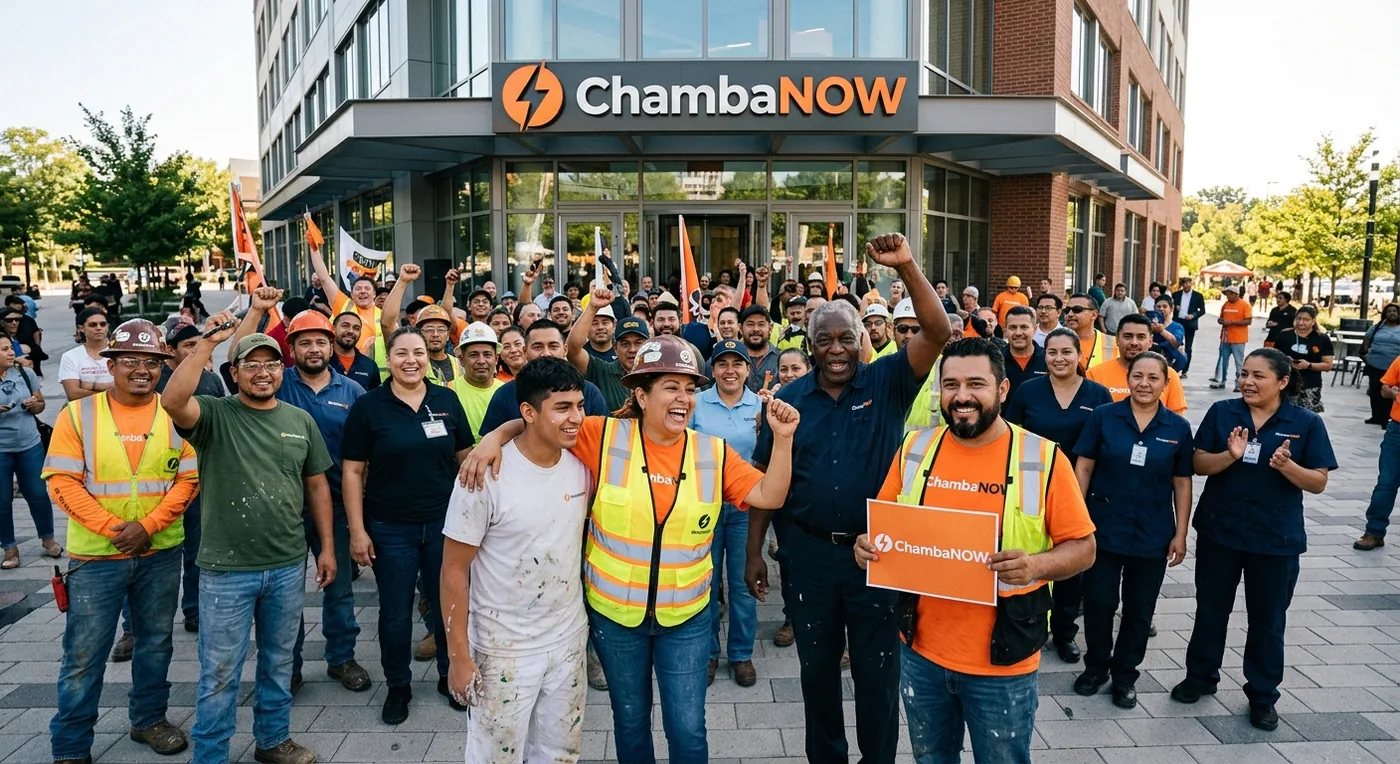
A marketplace with verified worker profiles can reduce some of this back-and-forth. ChambaNow helps employers post jobs free and connect with trade and labor workers who are ready to find work, including English- and Spanish-speaking professionals. Still, your job details and quick response time determine whether the match turns into a filled shift.
Respond Fast and Confirm Everything
When an urgent job post receives a qualified response, minutes matter. Workers may be considering several jobs, especially during busy construction and service periods. Reply promptly, confirm the key details, and give a clear next action.
A good confirmation includes the job address, arrival time, on-site contact name and phone number, pay agreement, required tools, and any instructions for parking or entry. Ask the worker to confirm they are on the way. If the role is especially time-sensitive, request an estimated arrival time before removing the post or turning away other candidates.
Keep a backup option when the job is critical. A worker can have a vehicle issue, a prior job can run long, or traffic can change the plan. You do not need to overhire, but having one additional qualified contact can protect the schedule.
Build Better Results From Each Urgent Hire
Every urgent hire gives you useful information for the next one. After the shift, note whether the job description matched the actual work, whether the pay attracted the right experience level, and whether the worker arrived prepared. These patterns help you post better jobs and build a dependable pool of trade professionals over time.
The goal is not to make every labor need an emergency. It is to handle the emergencies without losing a day of progress. Clear job posts, fair pay, prepared sites, and fast communication give skilled workers a reason to choose your job when your schedule is on the line.