
Cómo mantener tu casa limpia durante las remodelaciones
Construyendo conocimientos que funcionan.
La construcción naturalmente crea polvo, escombros y desorden. Con preparación y cooperación entre dueños y contratistas, es posible reducir significativamente el mugrero y el estrés.
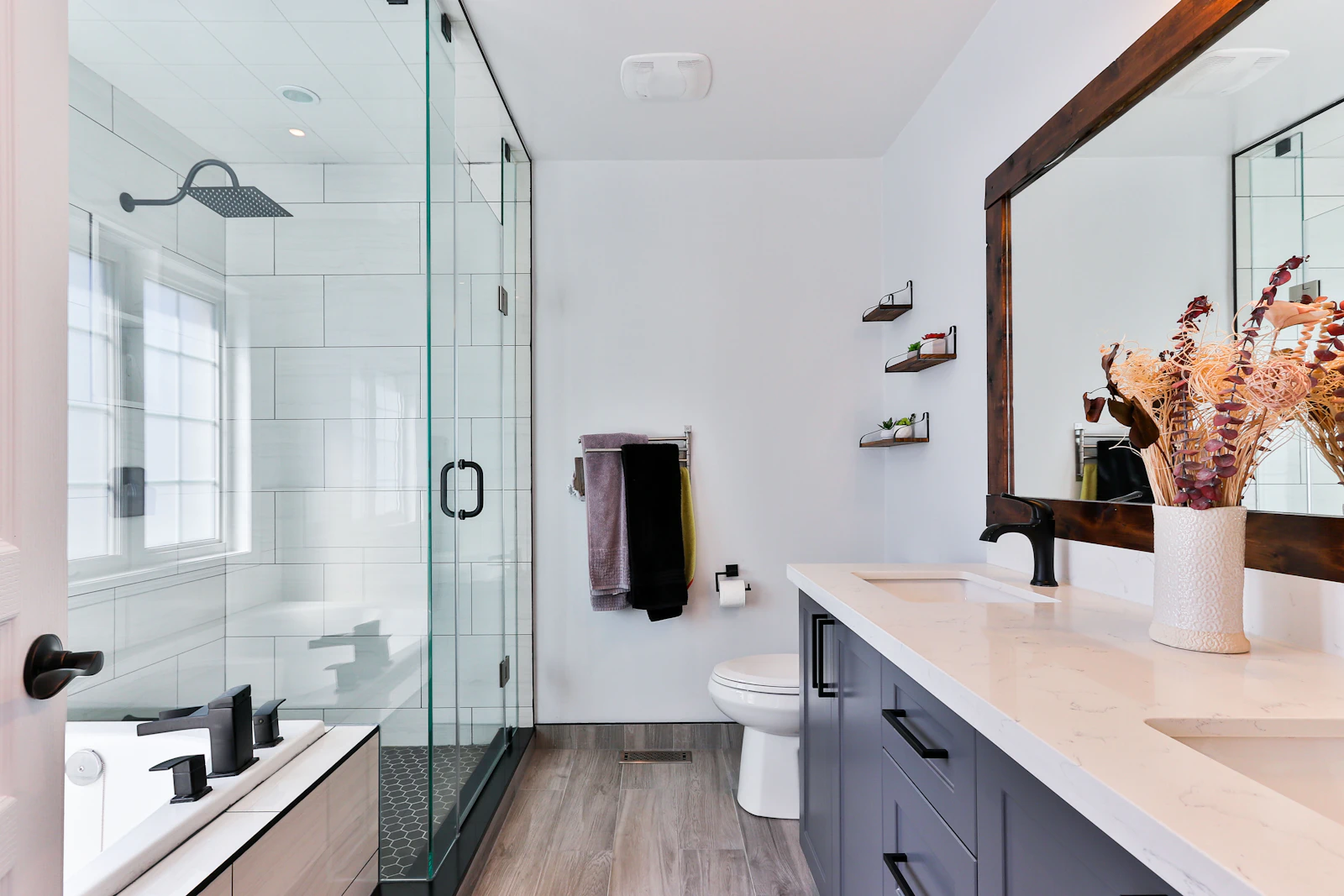
Los proyectos de mejoras para el hogar pueden transformar completamente una casa, pero incluso la remodelación más emocionante viene con un efecto secundario inevitable: polvo, escombros y desorden.
Ya sea que estés remodelando una cocina, cambiando el piso, renovando un baño o construyendo una ampliación, la construcción naturalmente crea mugrero. El aserrín, el polvo de tablaroca, la tierra que se mete de afuera, los materiales de empaque y los escombros de construcción son parte del proceso.
La buena noticia es que con un poco de preparación y cooperación entre los dueños y los contratistas, es posible reducir significativamente el mugrero y mantener tu casa cómoda durante todo el proyecto.
Esta guía ofrece consejos prácticos para ayudar a proteger tu hogar, reducir la limpieza y hacer que vivir en medio de una remodelación sea mucho menos estresante.
Acepta que algo de polvo es inevitable
Una de las primeras cosas que los dueños deben entender es que la construcción y el polvo van de la mano.
Incluso los contratistas que tienen un cuidado excepcional no pueden eliminar el polvo por completo.
Actividades como:
- Demolición
- Lijado de tablaroca
- Corte de loseta
- Corte de madera
- Retiro de piso
- Perforación de concreto
todas crean partículas finas que naturalmente viajan por el aire.
El objetivo no es eliminar el polvo por completo. El objetivo es controlarlo.
Tener expectativas realistas desde el principio ayuda a reducir la frustración.
Prepárate antes de que empiece la construcción
La limpieza durante una remodelación en realidad comienza antes de que llegue el primer trabajador.
Tomarse el tiempo para preparar tu casa puede evitar horas de limpieza después.
Considera quitar:
- Cuadros y obras de arte
- Artículos decorativos
- Libros
- Aparatos electrónicos
- Electrodomésticos pequeños
- Plantas
- Adornos frágiles
Las cosas que se dejan en los estantes a menudo juntan cantidades sorprendentes de polvo.
Si es posible, guarda tus pertenencias valiosas en cuartos que no se vean afectados por el proyecto.
Cubre los muebles y pertenencias
Los muebles funcionan como un imán para el polvo de la construcción.
Incluso los cuartos que no están directamente involucrados en la remodelación pueden juntar polvo fino a lo largo de varios días.
Usa:
- Plásticos protectores
- Lonas de lona
- Sábanas viejas
- Fundas para muebles
para proteger las cosas más grandes.
Los electrónicos merecen atención especial. Las televisiones, computadoras, consolas de juegos, impresoras y bocinas deben cubrirse siempre que sea posible porque el polvo puede entrar en las rejillas de ventilación y en los componentes internos.
Cierra las áreas de trabajo
Una de las formas más efectivas de reducir el polvo en toda la casa es separar el área de construcción del espacio donde vives.
Muchos contratistas instalan barreras de plástico temporales o paredes de contención con cierre.
Los dueños también pueden ayudar:
- Manteniendo cerradas las puertas interiores
- Limitando el paso innecesario
- Evitando caminar por las áreas de trabajo activas
- Following designated pathways
Containing dust near the work area significantly reduces cleaning later.
Protect Your Floors
Even careful workers enter and leave dozens of times each day.
Mud, dirt, gravel, and construction materials can damage finished flooring if left unprotected.
Professional contractors often use:
- Ram board
- Floor protection paper
- Heavy-duty plastic
- Drop cloths
These materials help prevent scratches and reduce cleanup.
If workers are moving heavy equipment through finished areas, discuss floor protection before work begins.
Create a Shoe Policy
Shoes are one of the biggest sources of dirt during any construction project.
Depending on the project, consider establishing one of the following approaches:
- Designate one entrance for workers.
- Provide boot covers if appropriate.
- Place heavy-duty floor mats near entrances.
- Sweep entryways regularly.
Even simple measures can greatly reduce dirt being tracked throughout the home.
Change Your HVAC Filter
Many homeowners forget about their heating and cooling system during construction.
Unfortunately, airborne dust often finds its way into HVAC systems.
During larger projects:
- Inspect filters frequently.
- Replace filters more often than usual.
- Consider temporarily turning off the system during heavy dust-producing work if recommended by your contractor.
Clean filters improve indoor air quality and help protect your equipment.
Vacuum Frequently
Instead of waiting until the project is finished, perform light cleaning throughout the renovation.
Regular vacuuming helps prevent dust from spreading into additional rooms.
Use a vacuum equipped with a quality filter whenever possible.
Focus on:
- Hallways
- Entryways
- Living areas
- Staircases
Small daily cleanups often prevent major cleaning later.
Wipe Down Surfaces Often
Construction dust settles slowly.
Countertops, shelves, tables, windowsills, and furniture should be wiped periodically with microfiber cloths.
Microfiber traps dust much better than dry paper towels.
Avoid dry dusting whenever possible, as it often sends dust back into the air.
Protect Your Kitchen
If your kitchen remains functional during nearby construction, extra care is worthwhile.
Cover:
- Dishes
- Pots and pans
- Coffee makers
- Small appliances
- Food preparation areas
If the kitchen itself is under renovation, consider creating a temporary food preparation station elsewhere in the home.
A microwave, mini refrigerator, and coffee maker can make life much easier during longer projects.
Plan for Daily Cleanup
Many professional contractors clean as they work.
Still, homeowners should discuss expectations before the project begins.
Ask questions such as:
- Will debris be removed daily?
- Where will trash be stored?
- Who handles final cleanup?
- Will materials remain overnight?
- How will pathways be kept safe?
Knowing what to expect helps everyone stay organized.
Organize Construction Materials
Large remodeling projects involve many deliveries.
Materials may include:
- Lumber
- Drywall
- Flooring
- Cabinets
- Tile
- Paint
- Hardware
Keeping these materials organized helps reduce clutter and creates a safer workspace.
Avoid moving materials unnecessarily once they've been placed.
Keep Children Safe
Construction areas naturally attract curious children.
Power tools, extension cords, ladders, nails, and building materials should never become play areas.
Create clear boundaries. Explain which areas are off limits.
Whenever possible, keep children occupied in parts of the home away from active work.
Safety should always come first.
Don't Forget About Pets
Many pets become anxious during construction. Noise, unfamiliar people, and changing environments can create stress.
To help pets stay comfortable:
- Keep them in quiet rooms.
- Maintain normal feeding schedules.
- Walk dogs before workers arrive.
- Secure gates and doors.
Communicate with your contractor if pets are present so everyone remains aware when doors are opened.
Prepare for Noise
Dust isn't the only inconvenience.
Construction often involves:
- Nail guns
- Circular saws
- Compressors
- Hammering
- Demolition
- Drilling
If you work from home or have young children, ask your contractor when particularly noisy work is expected.
Planning around those periods can make the experience much easier.
Perform a Deep Clean After Completion
Once construction is complete, perform one thorough cleaning throughout the affected areas.
Tasks include:
- Dusting ceiling fans
- Wiping baseboards
- Cleaning windows
- Vacuuming upholstery
- Washing floors
- Cleaning air vents
- Replacing HVAC filters
- Wiping light fixtures
A final cleaning allows you to fully enjoy your newly completed project.
Common Cleaning Mistakes
Avoid these common mistakes:
Waiting Until the End — Small daily cleaning tasks prevent overwhelming cleanup later.
Using Feather Dusters — These often spread dust rather than remove it. Microfiber cloths are much more effective.
Forgetting Air Filters — Dirty filters continue circulating dust throughout the home.
Leaving Valuables Exposed — Fine construction dust can damage sensitive electronics and collectibles. Store them safely whenever possible.
Quick Homeowner Cleaning Checklist
Before construction:
- Remove fragile items
- Cover furniture
- Protect electronics
- Replace HVAC filter
- Discuss cleanup expectations
During construction:
- Vacuum regularly
- Wipe surfaces
- Keep pathways clear
- Protect pets
- Monitor dust barriers
After construction:
- Deep clean
- Replace air filters
- Wash floors
- Dust all surfaces
- Enjoy your new space
Final Thoughts
No renovation is completely mess-free, but thoughtful preparation can dramatically reduce the inconvenience.
Homeowners who take time to protect their belongings, establish realistic expectations, and communicate openly with their contractor often find the renovation process much more manageable.
Likewise, contractors who maintain organized jobsites, clean throughout the project, and respect the homeowner's living space build stronger relationships and leave lasting positive impressions.
At the end of every successful renovation, there are two things homeowners should remember: the finished project. And how smoothly the journey felt getting there.
A little preparation today can make both experiences much more enjoyable.
Construyendo conocimiento que funciona.