
How to Prepare Your Home Before a Construction Project
Building Knowledge That Works.
A little preparation before the first tool comes out of the truck can save time, reduce stress, protect belongings, and help your contractor work more efficiently. Here's how to get your home ready.
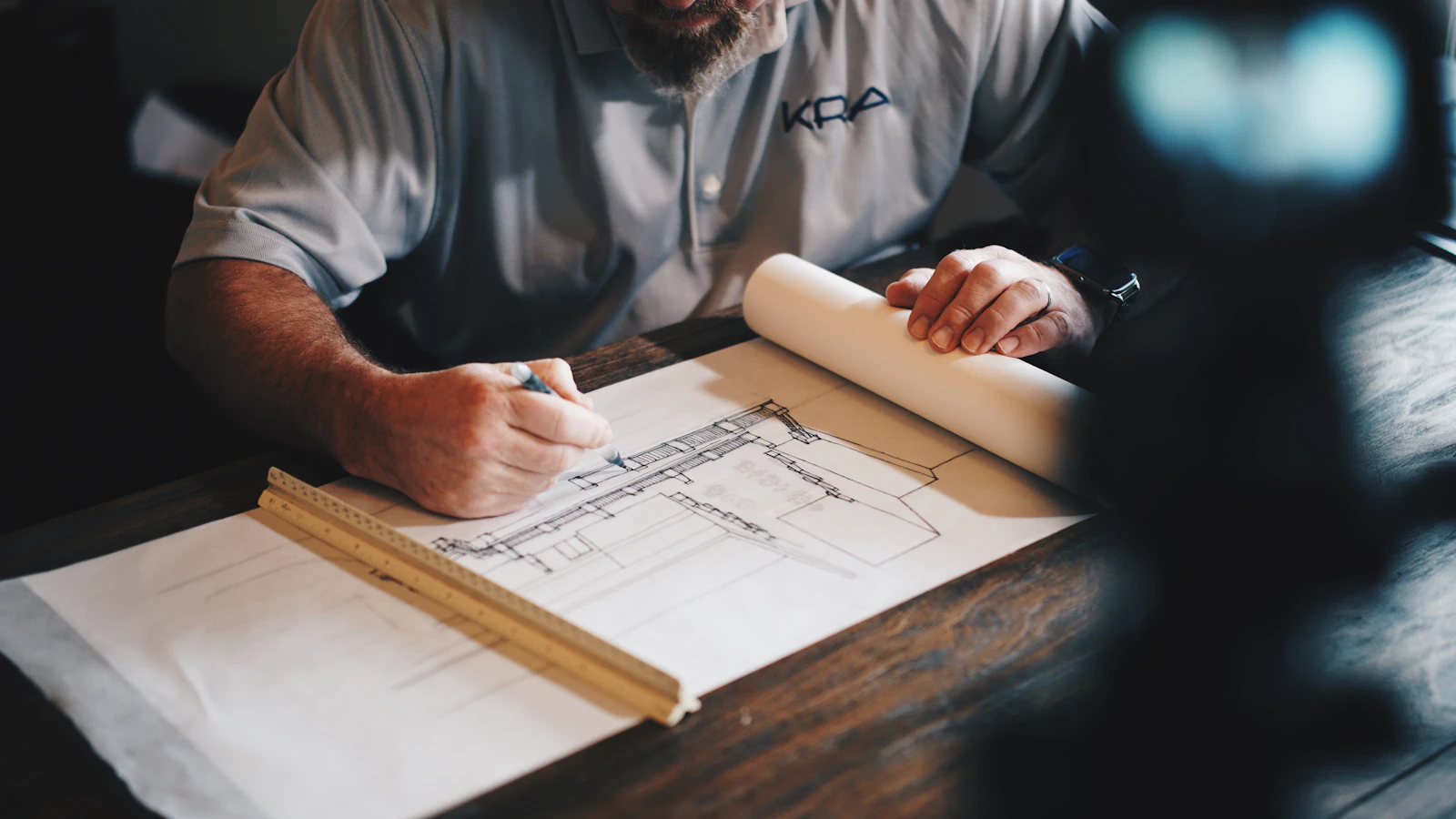
Whether you're remodeling a kitchen, replacing flooring, building a deck, or tackling a simple landscaping project, the success of your construction project often begins long before the first tool comes out of the truck.
Many homeowners spend weeks choosing materials and comparing contractors, but overlook something equally important—preparing their home for the work ahead.
A little preparation can save time, reduce stress, protect your belongings, improve communication, and help your contractor work more efficiently. The result is often a smoother project, fewer delays, and a better finished product.
Whether your project lasts a single afternoon or several months, here's how to prepare your home and your family for a successful construction experience.
Why Preparation Matters
Construction projects are a partnership between the homeowner and the contractor.
While your contractor brings the skills, tools, and experience needed to complete the work, homeowners play an important role by creating an environment where work can be completed safely and efficiently.
Good preparation helps:
- Reduce project delays
- Improve safety
- Protect your home and belongings
- Reduce cleanup time
- Improve communication
- Minimize unexpected interruptions
Think of it this way—every hour spent moving furniture or searching for supplies is an hour not spent improving your home.
Define Your Goals Before Work Begins
Before construction starts, spend some time thinking about exactly what you hope to accomplish.
Ask yourself:
- What problem am I trying to solve?
- Which areas are the highest priority?
- Are there features I absolutely want?
- What would be nice to have if the budget allows?
- How do I want the finished project to look?
Writing these ideas down makes it much easier to communicate with your contractor.
Clear expectations from the beginning help prevent misunderstandings later.
Clear the Work Area
One of the easiest ways to help a project begin smoothly is by preparing the workspace before workers arrive.
Depending on the project, you may need to:
- Move furniture
- Remove wall decorations
- Store fragile items
- Roll up rugs
- Relocate outdoor furniture
- Trim vegetation around work areas
- Move vehicles from driveways
- Secure pets
The less time workers spend preparing the site, the sooner they can begin working.
Protect Valuable Belongings
Construction creates vibration, dust, and movement.
Even careful workers may accidentally bump furniture or create dust that travels farther than expected.
Protect valuable items by storing:
- Family heirlooms
- Electronics
- Artwork
- Important documents
- Jewelry
- Collectibles
If possible, move them to rooms that won't be affected by construction.
A little prevention offers tremendous peace of mind.
Plan for Dust
Nearly every remodeling project creates dust.
Drywall sanding, demolition, flooring removal, and cutting materials all contribute.
Although professional contractors often use plastic barriers and dust-control equipment, homeowners should still prepare.
Consider:
- Closing doors to unused rooms
- Covering furniture
- Removing clothing from nearby closets
- Covering electronics
- Replacing HVAC filters after the project
If anyone in the household has allergies or respiratory sensitivity, discuss dust control with your contractor before work begins.
Create Easy Access
Workers constantly move materials, equipment, and tools throughout the day.
Clear pathways make everyone's job easier.
Remove:
- Toys
- Garden hoses
- Bikes
- Decorations
- Boxes
- Loose extension cords
Simple improvements in accessibility reduce delays and improve safety.
Designate Parking Areas
If possible, decide where workers should park before the project begins.
Keeping vehicles organized helps:
- Prevent blocked driveways
- Improve material deliveries
- Reduce unnecessary movement
- Keep neighbors happy
For larger projects, discuss delivery locations for lumber, concrete, roofing materials, or dumpsters.
Planning ahead avoids confusion later.
Prepare Children and Pets
Construction sites can be exciting for children—but they also contain potential hazards.
Power tools, ladders, extension cords, and building materials should never become play areas.
Before work begins:
- Explain where children should not go.
- Create safe play areas.
- Supervise outdoor activities.
Pets should also remain safely indoors or in secured areas away from active work zones.
Unexpected distractions can slow projects and create unnecessary risks.
Make Material Decisions Early
One of the biggest causes of project delays is waiting for homeowner decisions.
Try to choose items before construction starts whenever possible.
Examples include:
- Paint colors
- Flooring
- Tile
- Cabinet hardware
- Fixtures
- Lighting
- Countertops
Waiting until installation day to choose finishes often delays progress.
Expect Some Noise
Construction isn't quiet.
Depending on your project, expect:
- Hammering
- Sawing
- Drilling
- Sanding
- Compressors
- Nail guns
If you work from home, schedule meetings accordingly or consider temporarily relocating during the loudest phases.
Planning ahead reduces frustration.
Keep Communication Open
Every successful project depends on communication.
If questions arise, don't hesitate to ask.
Likewise, encourage your contractor to communicate whenever decisions need to be made.
Short conversations often prevent much larger misunderstandings.
Many experienced contractors provide daily updates about:
- Completed work
- Upcoming tasks
- Material deliveries
- Weather delays
- Schedule changes
These updates help homeowners feel informed throughout the project.
Prepare for Deliveries
Construction often involves multiple deliveries.
Materials may include:
- Lumber
- Concrete
- Roofing
- Appliances
- Cabinets
- Windows
- Flooring
Discuss where deliveries should be placed.
Keeping materials organized improves efficiency and protects your property.
Plan Around Daily Life
Construction temporarily changes how your home functions.
Depending on the project, consider:
Kitchen remodel? Plan simple meals or temporary cooking arrangements.
Bathroom renovation? Determine which bathrooms remain available.
Roof replacement? Expect increased noise during working hours.
Floor replacement? Move furniture in stages if necessary.
Thinking ahead reduces inconvenience.
Understand That Surprises Can Happen
Even the best-planned projects occasionally uncover unexpected conditions.
Examples include:
- Water damage
- Rotten framing
- Hidden plumbing
- Electrical issues
- Uneven floors
These discoveries aren't necessarily signs of poor planning—they're often simply impossible to see until demolition begins.
Remaining flexible helps everyone respond effectively.
Keep Expectations Realistic
Construction is a process.
Dust happens. Schedules occasionally shift. Materials sometimes arrive late. Weather affects outdoor work.
Understanding these realities helps maintain positive relationships throughout the project.
Most experienced contractors work hard to minimize disruptions while delivering quality craftsmanship.
Ask Questions
Good contractors appreciate informed homeowners.
If you don't understand something, ask.
Topics may include:
- The next phase of work
- Material choices
- Estimated timelines
- Maintenance recommendations
- Care instructions after completion
Learning about your project helps you make better decisions.
Before the Final Walkthrough
As the project nears completion, create a checklist.
Review:
- Paint touch-ups
- Trim details
- Hardware installation
- Cleanup
- Function of doors and windows
- Lighting
- Appliances
- Overall workmanship
A final walkthrough allows both homeowner and contractor to ensure everything meets expectations.
Quick Homeowner Preparation Checklist
Before work begins:
- Remove valuables
- Protect furniture
- Clear pathways
- Secure pets
- Inform family members
- Choose materials
- Prepare parking
- Discuss communication preferences
- Plan for noise
- Expect some dust
- Stay flexible
Final Thoughts
Preparing your home before construction isn't just about protecting your belongings—it's about creating the best possible environment for a successful project.
Contractors appreciate organized jobsites because they can focus on what they do best: building, repairing, and improving your home. Homeowners benefit from smoother communication, greater efficiency, and a more enjoyable renovation experience.
The most successful construction projects aren't simply built with quality materials and skilled craftsmanship. They're built on preparation, communication, and teamwork.
With thoughtful planning and realistic expectations, your next home improvement project can be a rewarding experience from the very first day to the final walkthrough.
Building knowledge that works.