

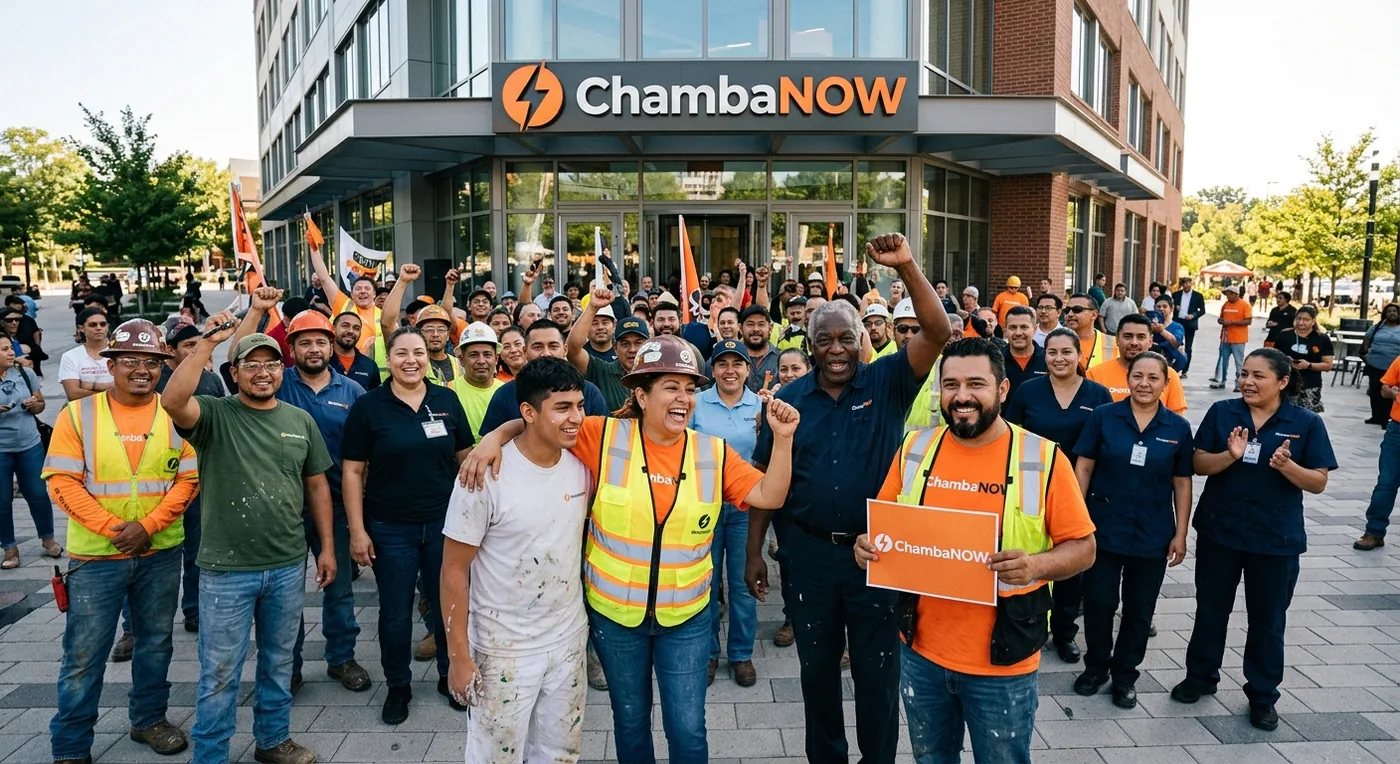







A crew of six is scheduled for Monday. Two people cancel Sunday night, one has not returned a call, and the concrete truck is still coming. That is when a staffing problem becomes a schedule problem. To fill construction staffing gaps quickly, contractors need more than a list of names. They need a clear view of the work, a fast way to reach qualified people, and a process that confirms who will actually show up.
Labor shortages can hit any jobsite, from a one-day cleanup to a multi-phase commercial build. The response should not be the same every time. A missing general laborer, a certified welder, and a lead carpenter create different risks. The fastest hire is only useful when that person matches the task, site requirements, and timeline.
Start With the Work That Cannot Wait
Before posting a job or calling a contact, identify the work that will stop the next phase. This keeps an urgent hire from becoming a rushed, expensive mismatch.
Ask three direct questions: What work must be completed in the next 24 to 72 hours? What skills, tools, or certifications does the worker need? Can another crew member cover any part of the task while you hire? A clear answer lets you define the gap instead of simply requesting “extra hands.”
For example, if drywall finishing is holding up paint and inspections, prioritize an experienced finisher. If material staging is slowing down multiple trades, a reliable general laborer may create more value right away. Focus on the bottleneck, not just the headcount.
This step also helps you decide whether the need is temporary or recurring. A one-day demolition crew calls for a different hiring approach than a six-week need for electricians. Treating every shortage as a permanent recruitment problem can waste time when the project needs immediate coverage.
Write a Job Post Workers Can Act On
Workers making fast decisions need useful details upfront. Vague posts attract vague responses, increase follow-up calls, and make it harder to compare candidates.
State the job title, location, start date, expected duration, pay range or rate structure, shift hours, and the core skills required. Include whether the worker must bring tools, PPE, a vehicle, or a license. If there are site-specific requirements such as OSHA training, badging, background checks, or drug screening, say so before the worker commits.
Keep the language direct. “Need two experienced commercial painters in Dallas. Start Tuesday at 7 a.m. Three-week project. Must have own basic tools and reliable transportation” is easier to respond to than a long description filled with general company language.
For bilingual crews, make the information easy to understand in English and Spanish. This is not just a communication preference. Clear instructions reduce no-shows, safety confusion, and last-minute surprises. If a foreman or site lead speaks Spanish, include that as well.
Use Multiple Hiring Lanes Without Creating Chaos
When a gap is urgent, relying on one source is risky. Reach out to trusted former workers, subcontractor contacts, employee referrals, and a digital marketplace at the same time. The goal is not to send dozens of messages without a plan. It is to create enough qualified options to make a confident decision quickly.
A marketplace built for trade and labor hiring can shorten the search because workers are already looking for relevant opportunities. On ChambaNow, employers can post jobs free and connect with verified workers without waiting through the slower cycle of traditional staffing channels.
Speed should not mean skipping basic screening. Confirm availability, relevant experience, ability to get to the site, and agreement on pay and start time. For safety-sensitive or licensed roles, verify required qualifications before assigning work. A 10-minute confirmation call can prevent a lost day.
If you use referrals, ask specific questions. Did the worker arrive on time? What tasks did they perform? Did they work safely? Would the contractor bring them back? “Good worker” is not enough information when the project schedule is exposed.
Build a Fast Screening Process
A simple screening process works best under pressure. Avoid adding multiple interviews unless the role truly requires them. For most short-term construction and labor needs, the key is confirming job fit and reliability.
Use the same short set of questions with every candidate. Ask what similar work they have done, when they can start, how they will get to the site, what tools they have, and whether they understand the schedule and pay. For skilled trades, ask one or two task-specific questions that reveal real experience. A plumber should be able to describe the type of installation they have completed. A forklift operator should be able to confirm the equipment they have used and any required certification.
Be honest about site conditions. If the work involves heat, height, heavy lifting, overtime, concrete dust, or an early start, state it clearly. Workers who know what they are accepting are more likely to arrive prepared and stay through the assignment.
This is also the point to confirm classification, onboarding requirements, and insurance responsibilities with your internal team. A quick hire still needs to fit your company’s compliance process. The right level of review depends on the role, local requirements, contract terms, and assignment length.
Reduce No-Shows Before the First Shift
A filled position is not the same as a staffed jobsite. The work is covered only when the person arrives ready to work.
Send a clear confirmation as soon as the worker accepts. Include the exact address, gate or entrance instructions, onsite contact, reporting time, parking details, required PPE, and what to bring. If the site is difficult to find, send simple landmarks or directions. Construction sites change, and a wrong entrance can turn a punctual worker into a late arrival.
Confirm again the day before an early shift. Keep the message short: “You are confirmed for 7 a.m. tomorrow at [site]. Check in with [name] at the north gate. Bring hard hat, boots, vest, and gloves.” Ask for a direct reply. If the worker does not respond, you still have time to activate a backup.
For larger crews or critical pours, shutdowns, and inspections, line up more than one qualified option. Paying attention to backup coverage can feel inefficient when labor is tight, but it is often cheaper than stopping equipment, delaying another trade, or rescheduling a delivery.
Keep Strong Workers Close
The easiest staffing gap to fill is one covered by someone you already know can do the work. Build a rehire list after every project, not months later when details are gone.
Track the basics: trade or labor category, work performed, locations served, reliability, safety record, tool availability, preferred hours, and whether the worker communicates in English, Spanish, or both. Keep notes practical and fair. “Arrived early, handled material staging independently, available for weekend work” is more useful than a vague rating.
Pay attention to what makes workers return. Fast payment, accurate job details, respectful site supervision, and predictable communication matter. Workers have choices, especially when demand is high. A contractor who changes the rate, location, or shift after someone accepts will have a harder time building a dependable bench.
There is a trade-off here. Keeping a broad contact list takes effort, while using the same small group can limit availability and skill range. The best approach is usually a core group of proven workers plus an active pipeline of new, verified talent.
Plan for Gaps Before They Hit
Construction staffing will never be perfectly predictable. Weather changes, delayed materials, overlapping projects, injuries, turnover, and seasonal demand all affect labor needs. The goal is not to eliminate every gap. It is to make the next one smaller and easier to solve.
Review upcoming work at least weekly with project managers and foremen. Look two to four weeks ahead for trade overlap, major deliveries, deadline-driven scopes, and work that requires rare skills. If you know a surge is coming, start building interest before the week you need people.
Separate your needs into immediate, planned, and specialized categories. Immediate needs require fast outreach and clear reporting details. Planned needs benefit from early job posts and conversations with previous workers. Specialized needs may require extra verification, lead time, or a higher rate because the available talent pool is smaller.
The practical advantage is control. Instead of reacting to every absence with calls and texts at 5 a.m., your team has a repeatable response: define the critical work, post clear details, verify fit, confirm arrival, and keep a backup ready.
The next time a crew member drops out or a new scope lands without warning, move quickly but stay specific. A well-defined job and a reliable connection to skilled workers can keep one missing person from becoming a missed deadline.