






FILTERED BY:Starting Your Contractor Business× CLEAR
FEATURED ARTICLE

Optimizing Workforce Management for Local Businesses

How local businesses in Champaign-Urbana can manage a flexible workforce, tap real-time hiring, and use technology to run leaner, more responsive operations — and why smart presentation complements a well-run team.

Optimizing Workforce Management for Local Businesses

LATEST ARTICLES

VIEW ALL ARTICLES
How Real-Time Hiring Enhances Property Management Efficiency
Starting Your Contractor Business

How Real-Time Hiring Enhances Property Management Efficiency

Property managers live and die by fast, reliable responses. How real-time hiring platforms like ChambaNOW help you mobilize skilled labor instantly, cut costs, and keep tenants satisfied — from everyday maintenance to luxury developments.

AUG 5, 2026·4 MIN READ
Maximizing Your Workforce Efficiency with Smart Hiring Solutions
Starting Your Contractor Business

Maximizing Your Workforce Efficiency with Smart Hiring Solutions

Delays cost money, time, and client trust. How on-demand hiring, better matching, and direct communication help contractors and homeowners staff every job fast and stay flexible.

JUL 25, 2026·4 MIN READ
How Photography Can Elevate Your Business Branding
Starting Your Contractor Business

How Photography Can Elevate Your Business Branding

For service businesses, the photo of the finished job is your best salesperson. How high-quality, authentic photography of your completed projects builds trust, recall, and more work.

JUL 24, 2026·4 MIN READ
Hirer Plus: Your Complete Hiring Hub for Only $29 a Month
Starting Your Contractor Business

Hirer Plus: Your Complete Hiring Hub for Only $29 a Month

Unlimited job posts, full applicant access, bilingual messaging, and your own branded company Jobs page — everything a business needs to recruit faster, all from one place for just $29 a month.

JUN 17, 2026·9 MIN READ
20 Costly Mistakes That Cost Contractors Thousands Every Year (And How to Avoid Them)
Starting Your Contractor Business

20 Costly Mistakes That Cost Contractors Thousands Every Year (And How to Avoid Them)

Most construction businesses don't struggle because of poor craftsmanship — they struggle because of avoidable operational mistakes. Twenty common ones and how to fix them.

JUL 27, 2026·13 MIN READ
How to Build a Construction Business That Customers Recommend
Starting Your Contractor Business

How to Build a Construction Business That Customers Recommend

Referrals come with something money can't buy — trust. How consistency, communication, and an exceptional customer experience turn every project into your best advertising.

JUL 24, 2026·12 MIN READ
The Hidden Costs of Poor Planning on Construction Projects
Starting Your Contractor Business

The Hidden Costs of Poor Planning on Construction Projects

Delays, budget overruns, and customer frustration usually aren't about skill — they're about organization. How planning before the first worker arrives saves time, money, and unnecessary stress.

JUL 23, 2026·9 MIN READ
Why Professionalism Still Wins More Jobs Than the Lowest Price
Starting Your Contractor Business

Why Professionalism Still Wins More Jobs Than the Lowest Price

Many contractors believe the lowest estimate wins the job. In reality, homeowners choose someone they trust. How professionalism — not price — closes the sale.

JUL 22, 2026·10 MIN READ
Building a Five-Star Reputation: How Small Habits Create Long-Term Success
Starting Your Contractor Business

Building a Five-Star Reputation: How Small Habits Create Long-Term Success

A five-star reputation isn't built on one spectacular project. It's built on hundreds of small habits repeated consistently — one customer at a time.

JUL 21, 2026·11 MIN READ
You Found More Work. Now How Do You Manage It?
Starting Your Contractor Business

You Found More Work. Now How Do You Manage It?

Getting more customers is only half the battle. The real challenge for small service business owners is managing everything around the work — and the businesses that grow are the ones that build systems for it.

JUL 10, 2026·6 MIN READ
The Parking Lot Hustle: How ChambaNOW Is Changing the Way Workers and Hirers Connect
Starting Your Contractor Business

The Parking Lot Hustle: How ChambaNOW Is Changing the Way Workers and Hirers Connect

For generations, the parking-lot hustle has been one of the most visible—and misunderstood—parts of the day labor economy. ChambaNOW was created to offer a better way.

JUL 20, 2026·12 MIN READ
Building a Company Culture That Attracts Great Workers
Starting Your Contractor Business

Building a Company Culture That Attracts Great Workers

In today's construction industry, great workers have choices. They want leaders who communicate well, plan carefully, and respect their teams. Here's how to build a culture workers want to join.

JUL 19, 2026·10 MIN READ
Creating Efficient Jobsite Workflows: How Better Organization Leads to Better Projects
Starting Your Contractor Business

Creating Efficient Jobsite Workflows: How Better Organization Leads to Better Projects

The difference between a highly productive jobsite and a chaotic one usually isn't experience or talent—it's workflow. Practical systems to keep projects moving instead of reacting to problems.

JUL 18, 2026·11 MIN READ
25 Ways Contractors Can Save Time Every Week
Starting Your Contractor Business

25 Ways Contractors Can Save Time Every Week

The difference between highly profitable contractors and those constantly feeling behind often isn't the quality of their work—it's how efficiently they use their time. 25 practical strategies to reclaim hours every week.

JUL 17, 2026·12 MIN READ
Using Technology to Grow Your Contracting Business
Starting Your Contractor Business

Using Technology to Grow Your Contracting Business

Technology isn't replacing skilled tradespeople—it's helping contractors work smarter, communicate more effectively, and operate more efficiently. Practical ways to use tech to grow your business.

JUL 16, 2026·12 MIN READ
Customer Service: The Contractor's Most Valuable Marketing Tool
Starting Your Contractor Business

Customer Service: The Contractor's Most Valuable Marketing Tool

Quality workmanship is expected. What separates exceptional contractors from average ones is the customer experience they create from the first phone call to the final walkthrough.

JUL 15, 2026·11 MIN READ
Building Long-Term Customer Relationships: The Secret to Sustainable Growth for Contractors
Starting Your Contractor Business

Building Long-Term Customer Relationships: The Secret to Sustainable Growth for Contractors

Many contractors spend thousands trying to find new customers. Successful contractors take such good care of their existing customers that they never want to hire anyone else.

JUL 14, 2026·11 MIN READ
How to Prepare Your Home Before a Construction Project
Starting Your Contractor Business

How to Prepare Your Home Before a Construction Project

A little preparation before the first tool comes out of the truck can save time, reduce stress, protect belongings, and help your contractor work more efficiently. Here's how to get your home ready.

JUL 13, 2026·8 MIN READ
10 Questions Every Homeowner Should Ask Before Hiring a Contractor
Starting Your Contractor Business

10 Questions Every Homeowner Should Ask Before Hiring a Contractor

Choosing the right contractor can make the difference between a smooth, enjoyable experience and months of unnecessary stress. Ten thoughtful questions to ask before you hire.

JUL 12, 2026·10 MIN READ
Understanding the Construction Process From Start to Finish
Starting Your Contractor Business

Understanding the Construction Process From Start to Finish

Every project is different, but most home improvement projects follow a similar path. Understanding the basic construction process helps reduce stress and make the entire experience feel more manageable.

JUL 11, 2026·10 MIN READ
Why Communication Is the Key to a Successful Remodeling Project
Starting Your Contractor Business

Why Communication Is the Key to a Successful Remodeling Project

Poor communication is responsible for many of the problems homeowners associate with remodeling. Here's how to communicate effectively with your contractor and dramatically improve the experience.

JUL 10, 2026·9 MIN READ
How to Keep Your Home Clean During Renovations
Starting Your Contractor Business

How to Keep Your Home Clean During Renovations

Construction naturally creates dust, debris, and disruption. With preparation and cooperation between homeowners and contractors, it's possible to significantly reduce the mess and stress.

JUL 9, 2026·9 MIN READ
The Importance of Planning Before Starting Any Home Improvement Project
Starting Your Contractor Business

The Importance of Planning Before Starting Any Home Improvement Project

Every successful home improvement project begins long before the first board is cut. Good planning creates better projects—here's how to prepare before construction begins.

JUL 8, 2026·10 MIN READ
Contractors and Technology: Why Embracing Digital Tools Is No Longer Optional
Starting Your Contractor Business

Contractors and Technology: Why Embracing Digital Tools Is No Longer Optional

The construction industry has always been built on skill, experience, and hard work. But today's contractors face a new challenge that has nothing to do with concrete, lumber, or roofing—it's technology.

JUL 7, 2026·7 MIN READ
Solving the Skilled Labor Shortage: Practical Strategies for Today's Contractors
Starting Your Contractor Business

Solving the Skilled Labor Shortage: Practical Strategies for Today's Contractors

Ask any contractor about the biggest challenge in construction today and you'll hear the same answer: finding reliable workers. Here are practical strategies for keeping projects moving in a tight labor market.

JUL 6, 2026·7 MIN READ
25 Home Projects Perfect for Hiring Day Laborers
Starting Your Contractor Business

25 Home Projects Perfect for Hiring Day Laborers

Home improvement projects have a way of piling up. Hiring a day laborer can be one of the most affordable and efficient ways to tackle them—if you know which projects are ideal and how to prepare.

JUL 5, 2026·6 MIN READ
10 Smart Contracting Hacks That Save Time Every Day
Starting Your Contractor Business

10 Smart Contracting Hacks That Save Time Every Day

Successful contractors aren't just skilled—they're efficient. Ten simple habits that make every project run smoother, from morning truck prep to end-of-day cleanup.

JUL 1, 2026·6 MIN READ

MORE ARTICLES

Construction Jobs for Spanish Speakers, Hired Fast

Construction Jobs for Spanish Speakers, Hired Fast

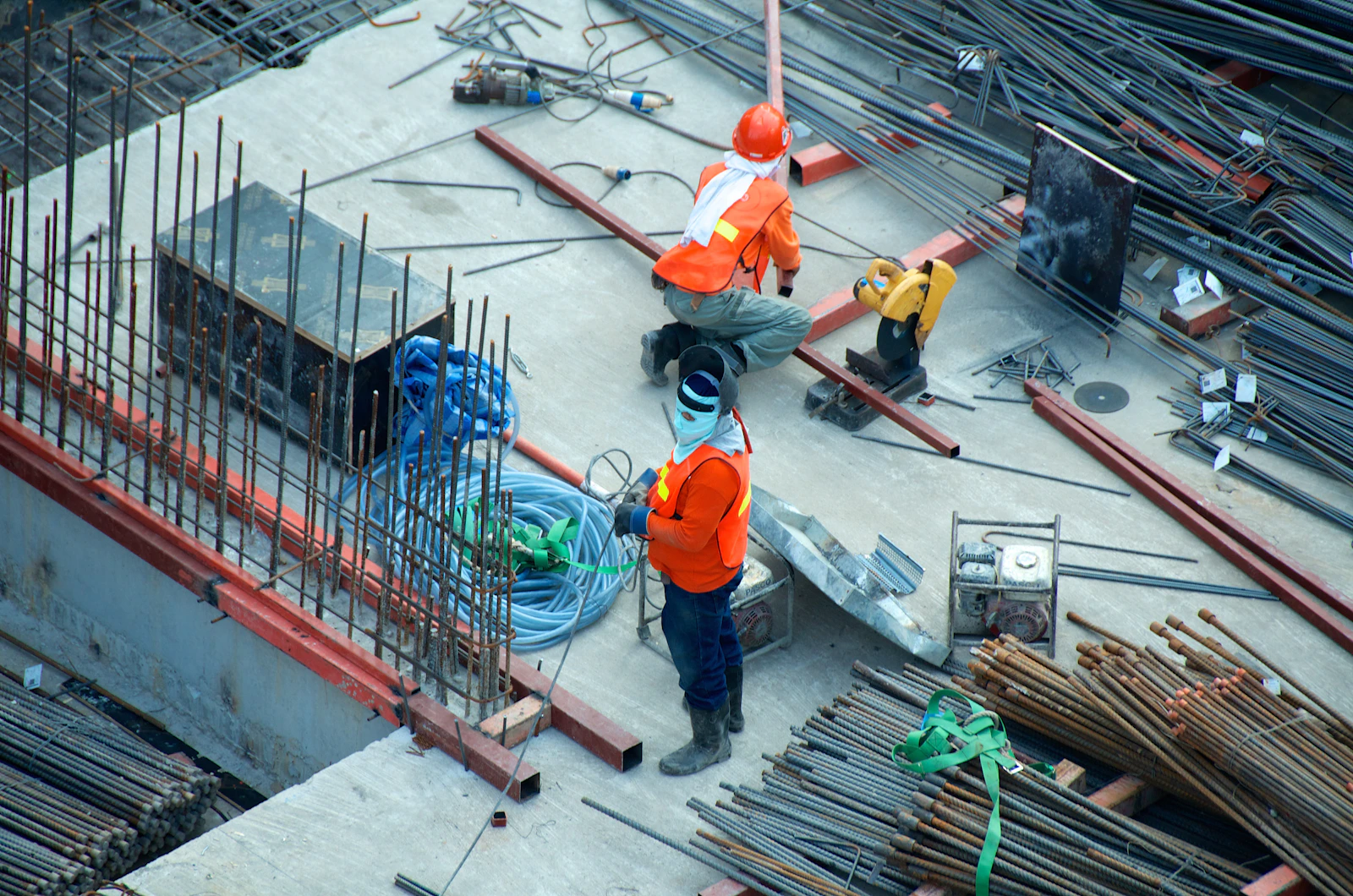
A crew is short two workers before concrete is poured. A remodel needs a drywall finisher by Monday. A maintenance contractor has several properties to turn over this week. These are the moments when construction jobs for Spanish speakers are more than job listings - they are immediate opportunities to keep projects moving.

Spanish-speaking workers are essential across the U.S. construction workforce. From general labor and site cleanup to skilled trades such as carpentry, electrical, plumbing, roofing, painting, flooring, and welding, employers need people who can show up ready to work. The strongest opportunities go to workers who make their skills, availability, and work history easy for employers to see.

Why Spanish Speakers Are in Demand on Construction Sites

Construction work runs on coordination. A job can fall behind when a crew is missing a laborer, a qualified equipment operator, or a trade professional who can complete a specific phase of work. Employers are not only looking for resumes. They need dependable people who understand the work, follow site expectations, and can start when the project needs them.

Spanish speakers bring critical experience to this market. Many have hands-on knowledge built through years of field work, often across several trades and job types. Bilingual workers can be especially valuable when crews, supervisors, vendors, or customers communicate in both English and Spanish.

Language should not be treated as a shortcut for assuming someone is qualified. Skills, safety knowledge, certifications, work ethic, and reliability still matter. But clear bilingual communication can help reduce misunderstandings around schedules, materials, task instructions, and safety procedures. On a busy jobsite, that has real value.

Construction Jobs for Spanish Speakers: Roles to Search For

Job titles vary by city, contractor, and project. Searching only for “construction worker” can cause qualified workers to miss roles that match their experience. Use job titles that describe the trade, tools, or type of project you know.

General labor roles are a strong entry point for workers with site experience. These positions may include loading materials, demolition, debris removal, concrete support, trenching, site cleanup, and helping trade crews. They can lead to steadier work when a worker shows up consistently and learns the workflow of the jobsite.

Skilled trade roles usually offer more specialized work and may require proven experience, a license, or certifications. Common openings include carpenter, framer, concrete finisher, drywall installer, painter, tile setter, roofer, HVAC helper, electrician helper, plumber helper, welder, landscaper, and equipment operator.

Maintenance and property-turn work can also be a practical fit. Apartment communities, hotels, retail spaces, and commercial buildings frequently need workers for repairs, painting, patching, flooring, cleanup, fixture replacement, and punch-list work. These jobs often move quickly because vacant units and delayed repairs cost money.

If you are building experience, look for helper and apprentice roles in the trade you want to learn. A helper position may pay less than a fully skilled role at first, but it can provide jobsite training, new tool experience, and a path toward better-paying work. The right choice depends on whether you need immediate income, long-term trade growth, or both.

Make Your Worker Profile Easy to Hire

Employers with an urgent opening often make decisions quickly. A complete profile helps them understand whether you are a match without a long back-and-forth conversation.

Start with the work you can do today. Be specific. “Construction experience” is less useful than “three years of residential framing, drywall hanging, demolition, and site cleanup.” Include the tools, equipment, and materials you know how to use. If you have experience reading plans, taking measurements, setting forms, finishing concrete, installing flooring, or operating machinery, say so.

Next, show your availability. State whether you can start immediately, work weekdays or weekends, travel locally, work overtime, or take short-term projects. Contractors often need a worker for a one-day assignment, a two-week push, or a full project. Availability can be the difference between getting contacted and being passed over.

Include licenses and certifications when they apply. Examples may include OSHA training, forklift certification, a driver’s license, equipment credentials, or trade licenses required in your state. Do not claim a certification you do not have. Accurate information builds trust and prevents problems after hiring.

Finally, list your language skills plainly. For example: “Spanish fluent, conversational English” or “Bilingual English and Spanish.” This helps employers staff crews with the communication needs of the specific site.

Be Ready Before the Employer Calls

Fast hiring works best when workers are ready to respond fast. Keep your phone on, check messages, and answer with a professional, direct response. If you miss a call, return it quickly. A contractor filling a same-day need may move to the next available person within minutes.

Before accepting a job, confirm the details that affect your decision: the job location, start time, expected duration, pay rate, payment method, required tools, safety gear, and the type of work. Ask whether the role is employee or independent contractor work if that is unclear. These details matter, especially for short-term jobs where the expectations need to be clear from the start.

Bring the basics required for the site. That may include work boots, gloves, eye protection, a hard hat, identification, and trade-specific tools. Do not assume every employer provides everything. At the same time, do not spend money on expensive tools before confirming that the job requires them and that the role is a good fit.

Reliability is part of your skill set. Arrive early, follow site rules, communicate if there is a problem, and leave the work area in good condition. Strong workers get called again. Repeat work is often built on those simple habits.

What Employers Should Do to Reach More Qualified Workers

Employers can fill openings faster when their job posts are clear and practical. A vague post attracts vague responses. State the trade or labor need, location, start date, pay range when possible, project duration, required experience, and whether workers need their own tools or transportation.

Language also matters. If Spanish-speaking workers are welcome or bilingual communication is available, say so directly. That signals inclusion and helps qualified workers understand they can communicate clearly during the hiring process and on the jobsite.

Avoid requiring more than the role truly needs. A general labor opening does not always need the same credentials as a licensed trade role. Overly broad requirements shrink the applicant pool and can delay staffing. Define the essential skills, then identify preferred qualifications separately.

Speed should not replace verification. Confirm work experience, credentials when required, availability, and basic job fit before sending someone to the site. A fast match only helps when the worker can perform the work safely and reliably.

Platforms such as ChambaNow are built for this kind of urgent hiring: employers can post jobs free and connect with verified trade and labor workers, while workers can find relevant opportunities without an access fee.

Build a Better Construction Career One Job at a Time

Not every job needs to be permanent to move your career forward. A short assignment can introduce you to a contractor who needs help again next month. A helper role can lead to a skilled trade opportunity. A well-finished project can become proof that you are dependable when an employer asks for references.

Keep track of the projects you complete, the tasks you handled, and the supervisors who can speak to your work. Update your profile as you gain skills. If you learn to operate new equipment, complete safety training, or take on more responsibility, add it right away.

The best construction jobs for Spanish speakers are not only the ones that start quickly. They are the jobs where your skills are understood, expectations are clear, and good work creates the next opportunity.

BROWSE BY TOPIC