
How to Confirm a Worker’s Skills Without a Formal Resume
You can confirm a day laborer's skills without a resume by asking them to walk you through how they would do your specific job, looking at photos or videos of their past work, call
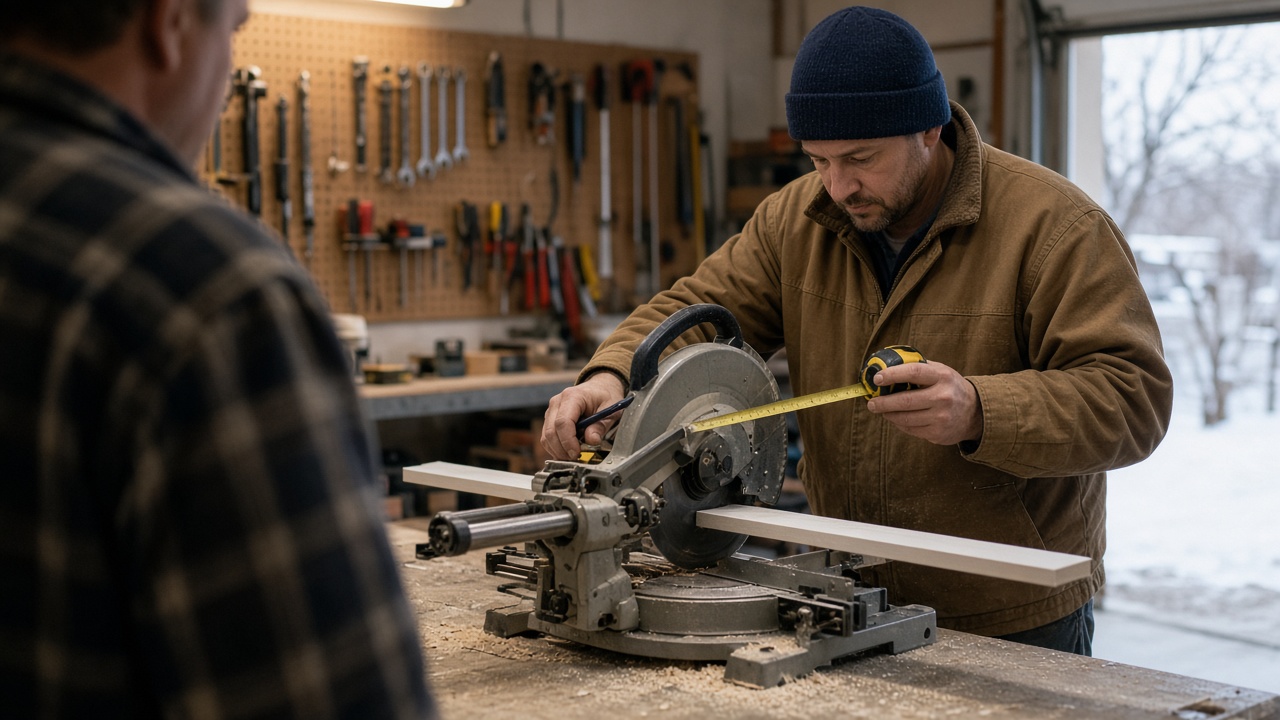
You can confirm a day laborer's skills without a resume by asking them to walk you through how they would do your specific job, looking at photos or videos of their past work, calling one or two people they have worked for, checking reviews on the platform where you found them, and starting with a short, paid trial task before handing over the whole project. For safety training, ask to see an OSHA Outreach card and verify it with the trainer if it matters. For licensed trades, check the license with the state. Most day labor skills are learned on the job, so practical evidence is usually more reliable than paperwork anyway.
What is skills-based hiring?
Skills-based hiring means choosing a worker based on demonstrated ability to do the tasks a job requires, rather than on credentials like degrees or a formal resume.
Why do so many skilled laborers lack a resume?
Because the work is learned by doing. The Bureau of Labor Statistics says construction laborers and helpers typically learn on the job, often by shadowing experienced workers, and that formal education is not typically required (https://www.bls.gov/ooh/construction-and-extraction/construction-laborers-and-helpers.htm). A worker with years of demolition, framing, or landscaping experience may never have needed to write it down.
What questions reveal real experience?
Ask open questions about your actual job, not yes-or-no questions. Someone with experience can describe steps, tools, and problems.
- "How would you start this job, and in what order would you do it?"
- "What tools would you need, and do you have any of them?"
- "What usually goes wrong on a job like this?"
- "How long do you think this will take with one person? With two?"
- "How would you protect the floors or plants while you work?"
- "What safety gear do you use for this?"
O*NET, the Department of Labor's occupational database, lists common tasks for construction laborers, such as preparing sites, digging and backfilling trenches, loading and distributing materials, erecting scaffolding, mixing and pouring concrete, and assisting craft workers (https://www.onetonline.org/link/summary/47-2061.00). Use the tasks that match your project to build your questions.
What answers are good signs?
- Specific steps in a sensible order
- Naming the right tools and materials without prompting
- Mentioning safety risks before you do
- A realistic time estimate, not just "fast"
- Honest limits, such as "I have done mulch and sod but not irrigation"
What evidence of past work can you ask for?
- Photos or videos on the worker's phone of jobs they have done
- Names and phone numbers of past hirers or crew leads
- Reviews on the app or platform where you found them
- Training cards, such as an OSHA 10-hour card or equipment training
- Their own tools, which often show what work they do regularly
How do you check a reference quickly?
Keep it short and specific. Two minutes is enough.
- "What kind of work did they do for you?"
- "Did they show up on time and finish the job?"
- "Would you hire them again for the same kind of work?"
- "Is there any work you would not give them?"
Should you use a trial task?
A short trial task is one of the best tests. Start with one part of the job, such as clearing one bed before landscaping the whole yard, or framing one section before the rest. Watch the pace, quality, and care with tools and safety. Then decide whether to continue.
Pay for trial work. Under federal law, work that an employer suffers or permits is work time, and the Department of Labor's Fact Sheet 22 says such hours must be paid (https://www.dol.gov/agencies/whd/fact-sheets/22-flsa-hours-worked). Even if the worker is independent, unpaid "tryouts" are unfair and damage trust. Agree on the rate for the trial in advance.
How do you verify an OSHA card?
OSHA says its Outreach 10-hour and 30-hour courses are voluntary and provide awareness training; the cards are not certifications and do not meet the training requirements of any specific OSHA standard. OSHA also says it does not keep records of individual Outreach classes. Trainers must issue cards within 90 days of the course, and replacement cards come through the trainer or training organization, not OSHA, and cannot be issued if the course was completed more than five years ago (https://www.osha.gov/training/outreach). To verify a card, contact the trainer or authorizing training organization named on it. Some states and cities require cards for certain work.
What about licensed trades?
For electrical, plumbing, HVAC, and other licensed work, a helper's skill is not a substitute for a license. The City of Austin, for example, lists electricians, plumbers, and mechanical contractors among trades that must be licensed in Texas (https://www.austintexas.gov/development-services/how-select-contractor). In California, the Contractors State License Board says unlicensed persons may only do jobs under $1,000 that need no permit and in which they employ no one (https://www.cslb.ca.gov/Resources/IndustryBulletins/2024/AB%202622%20Implementation.FINAL.pdf). Check licenses through your state licensing board; ChambaMatters explains how at https://chambanow.com/chambamatters/verify-contractor-licenses in a separate guide.
Skills check by job type
- Moving: ask how they would move a heavy dresser down stairs; look for team lifts, straps, and protecting walls
- Painting: ask how they prep a wall and cut in at the ceiling; look for cleaning, patching, taping, and primer
- Landscaping: ask how they would plant a shrub or lay sod; look for soil prep and watering
- Demolition: ask how they would remove a cabinet or tile; look for checking for wires and pipes and using eye protection
- Drywall: ask how they would patch a hole; look for backing, mud coats, and sanding
- Cleanup and junk removal: ask how they sort and load; look for separating recyclables and hazardous items
Skills verification checklist
- Describe the specific job and ask how they would do it
- Look at photos or video of past work
- Call one or two references
- Read platform reviews
- Ask about safety training and verify cards with the trainer if needed
- Check licenses for licensed trades
- Start with a short, paid trial task
- Give feedback and a review after the job
What should workers do to show their skills?
- Keep photos of finished work on your phone, organized by type
- Save the numbers of hirers who were happy with your work and ask if they will be a reference
- Ask satisfied hirers to leave a review
- List specific skills, not just "general labor"
- Keep your training cards with you
Where does ChambaNOW fit?
On ChambaNOW, workers list their skills and build two-way reviews from past jobs, which acts like a practical resume. Posting a job is free, and hirers contact workers about a posted job, so they can ask skills questions in the message thread, with English and Spanish translation. Workers, who always use ChambaNOW free, can set up their profile at https://chambanow.com/for-workers, and hirers can see https://chambanow.com/for-hirers. Browse skilled help by trade, for example painting at https://chambanow.com/hire/san-antonio-tx/painting. For more, read https://chambanow.com/chambamatters/skills-based-hiring and https://chambanow.com/chambamatters/background-checks-for-contractors.
Key takeaways
- Ask workers how they would do your specific job; experience shows in the details
- Use photos of past work, quick reference calls, and platform reviews
- Start with a short, paid trial task
- OSHA Outreach cards show awareness training, not certification; verify with the trainer
- Licensed trades still require a license, whatever the worker's skill
Sources
- O*NET OnLine, 47-2061.00 Construction Laborers
- Bureau of Labor Statistics, Occupational Outlook Handbook, Construction Laborers and Helpers
- OSHA, Outreach Training Program
- U.S. Department of Labor, Fact Sheet 22
- California Contractors State License Board, Industry Bulletin 24-07
- City of Austin, How to Select a Contractor
Written by Barry Graham, Founder, ChambaNOW
Construyendo conocimiento que funciona.