
Cold-Weather Safety for Outdoor Workers: Layers, Breaks, and Warning Signs
Stay safe working in the cold by dressing in layers, keeping dry, taking warm breaks, and watching for warning signs.
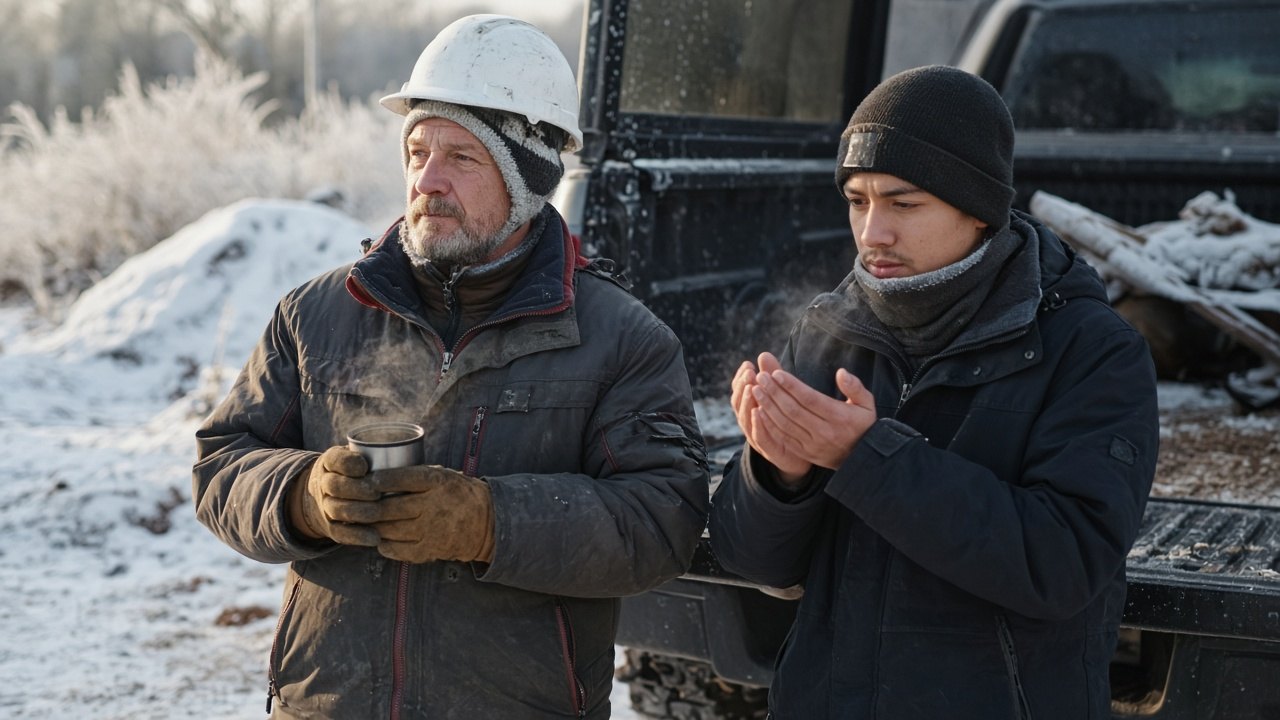
Stay safe working in the cold by dressing in layers, keeping dry, taking warm breaks, and watching for warning signs.
Cold weather jobs like snow shoveling, construction cleanup, roofing support, and early-morning moving can be hard on the body. Cold stress can sneak up on you, especially when it is wet or windy. This guide explains the main cold-weather illnesses, how to dress, how to plan breaks, and what to do in an emergency.
How do you stay safe working outside in the cold?
OSHA explains that cold stress happens when the body cannot keep itself warm, and that wind, wetness, and cold temperatures together make it worse. The main defenses are dressing in layers, staying dry, taking breaks in warm areas, drinking warm fluids, and working with a partner so someone notices if you are in trouble.
The short answer: dress in layers, protect your hands, feet, and head, stay dry, take warm breaks, and know the signs of hypothermia and frostbite.
What is cold stress?
Cold stress is the general term for injuries and illnesses caused by cold. OSHA names three main types. The risk depends on more than the thermometer. Wind chill, which combines temperature and wind speed, makes it feel colder and pulls heat from your body faster. Wet clothes and skin also lose heat quickly, even when it is not freezing.
What are the signs of hypothermia?
Hypothermia happens when the body loses heat faster than it can make it. OSHA lists these signs as early and late warnings.
- Early: shivering, fatigue, loss of coordination, confusion, and disorientation
- Late: no shivering, blue skin, dilated pupils, slowed pulse and breathing, and loss of consciousness
If someone shows signs of hypothermia, call 911. Move them to a warm place, remove wet clothing, and warm the center of the body first. OSHA's cold stress guide has more detail on first aid.
What are the signs of frostbite?
Frostbite is the freezing of skin and the tissue underneath, most often on the fingers, toes, nose, ears, cheeks, and chin. OSHA lists signs such as reddened skin that develops gray or white patches, numbness, tingling or aching, and skin that feels firm or hard. Blisters may form in severe cases.
If you suspect frostbite, get to a warm place and seek medical care. Do not rub the area, and do not try to rewarm it if there is a chance it could freeze again.
What is trench foot?
Trench foot, also called immersion foot, can happen when feet stay wet and cold for a long time, even at temperatures well above freezing. OSHA lists signs such as red skin, numbness, leg cramps, swelling, tingling pain, blisters, and bleeding under the skin. Keeping feet dry and changing wet socks is the best prevention.
How should you dress for cold outdoor work?
OSHA recommends wearing at least three layers of loose-fitting clothing.
- Inner layer: wool, silk, or synthetic fabric that pulls moisture away from the skin
- Middle layer: wool or synthetic fleece for insulation
- Outer layer: wind- and water-resistant, with some ventilation to let sweat escape
- Head: a knit hat or liner under a hard hat
- Face and ears: a face cover or neck gaiter in wind
- Hands: insulated gloves, with a spare dry pair
- Feet: insulated, waterproof boots with dry socks and a spare pair
Avoid cotton as a base layer. It holds moisture and cools you down. Tight boots and gloves reduce blood flow and can make you colder.
How should cold-weather work be planned?
- Step 1: Check the forecast and the wind chill before you leave.
- Step 2: Ask the hirer where you can take warm breaks, like a heated truck, garage, or indoor space.
- Step 3: Start the heaviest work during the warmest part of the day when possible.
- Step 4: Take short, frequent breaks in warm areas.
- Step 5: Drink warm, sweet drinks and avoid alcohol.
- Step 6: Work with a partner and watch each other for warning signs.
- Step 7: Change out of wet clothes as soon as you can.
Employers have a role too. OSHA's guidance encourages employers to train workers on cold stress, schedule work for warmer times, provide warm break areas, and monitor workers in extreme cold.
What other winter hazards should outdoor workers know?
- Slips and falls: wear boots with good traction, take short steps, and use ice melt
- Snow removal strain: push snow when possible and take breaks. OSHA warns about exhaustion and heart attacks during heavy shoveling
- Roof snow: do not go on roofs to clear snow without proper training and fall protection
- Carbon monoxide: never use gas heaters, generators, or engines in enclosed spaces
- Dark mornings: wear high-visibility clothing near streets and driveways
See how to hire snow shoveling and snow removal help (https://chambanow.com/chambamatters/how-to-hire-snow-shoveling-and-snow-removal-help), another ChambaMatters guide, for the hirer side of winter jobs.
Who is most at risk?
Anyone can get cold stress, but some workers face more risk. That includes workers who are new to cold climates, workers with certain health conditions, and anyone who is tired, wet, or not dressed for the conditions. Workers who are new to cold climates should build up to long shifts outdoors.
A cold-weather work checklist
- Forecast: temperature, wind chill, and precipitation checked
- Clothes: three layers, hat, gloves, waterproof boots
- Spares: dry socks and gloves
- Breaks: a warm place identified with the hirer
- Drinks: warm fluids, no alcohol
- Buddy: someone watching for warning signs
- Plan: what to do and who to call in an emergency
Find winter work on ChambaNOW
ChambaNOW lists local jobs in English and Spanish, and workers always use it free. Before you accept a cold-weather job, ask the hirer about the hours, the work area, and where you can warm up. Browse jobs in cities like Chicago (https://chambanow.com/jobs/in/chicago-il) and New York (https://chambanow.com/jobs/in/new-york-ny), or start on the worker page (https://chambanow.com/for-workers). For a full gear list, see what should you wear to a construction or labor job (https://chambanow.com/chambamatters/what-should-you-wear-to-a-construction-or-labor-job), and for summer, see heat safety for outdoor labor (https://chambanow.com/chambamatters/heat-safety-for-outdoor-labor-water-shade-and-rest-breaks).
Quick answers
What are the three types of cold stress?
OSHA names hypothermia, frostbite, and trench foot as the main types.
How many layers should you wear for outdoor work?
OSHA recommends at least three loose layers: a moisture-wicking base, an insulating middle, and a wind- and water-resistant outer layer.
Can you get trench foot above freezing?
Yes. Trench foot can happen when feet stay wet and cold, even well above freezing.
What should you do if a coworker shows signs of hypothermia?
Call 911, move them somewhere warm, remove wet clothes, and warm the center of the body first.
Sources - OSHA, Cold Stress Guide (https://www.osha.gov/emergency-preparedness/guides/cold-stress) - OSHA, Winter Weather: Cold Stress (https://www.osha.gov/winter-weather/cold-stress) - OSHA, Winter Weather: Hazards and Precautions (https://www.osha.gov/winter-weather/hazards) - CDC/NIOSH, Cold Stress (https://www.cdc.gov/niosh/cold-stress/about/index.html) - National Weather Service, Wind Chill Chart (https://www.weather.gov/safety/cold-wind-chill-chart)
Written by Barry Graham, Founder, ChambaNOW
Construyendo conocimiento que funciona.