
What Should You Wear to a Construction or Labor Job?
Wear sturdy boots, long pants, and layers you can work hard in all day.
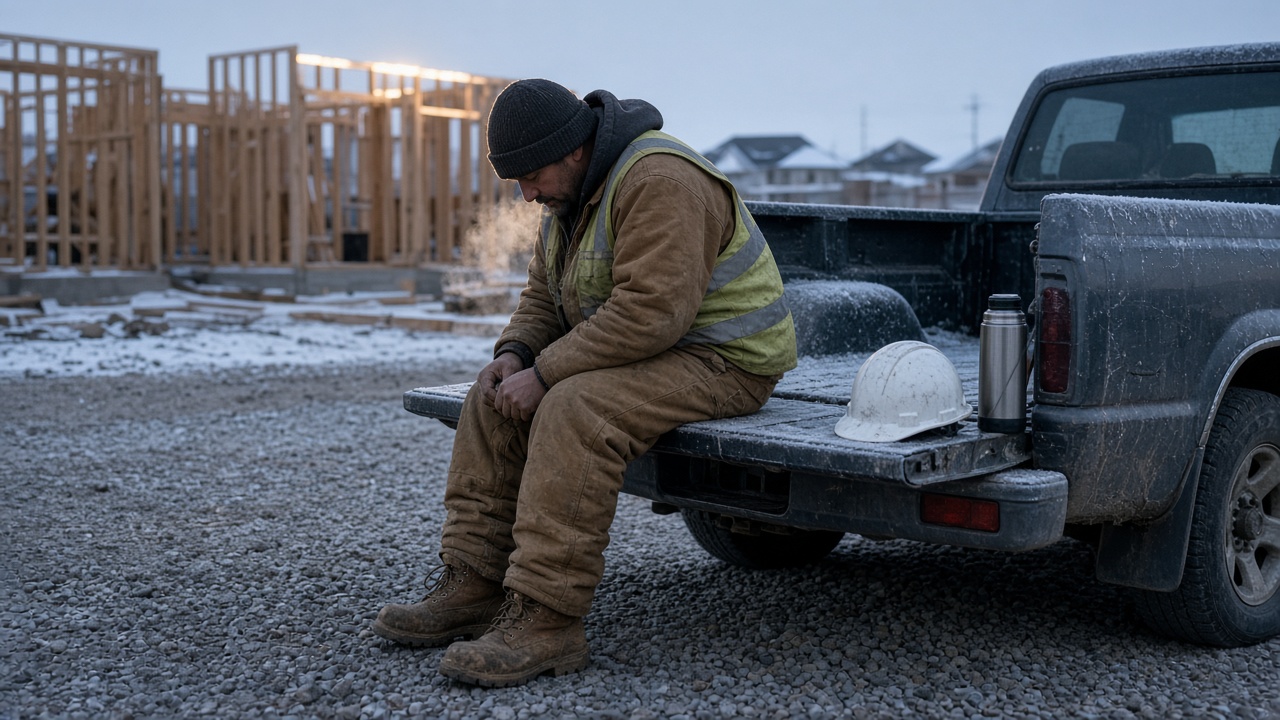
Wear sturdy boots, long pants, and layers you can work hard in all day.
What you wear on a labor job does two things. It protects you, and it tells the foreman in about two seconds whether you are ready to work. This guide covers what to wear from head to toe, how it changes by job type and weather, and which safety gear the employer is supposed to provide and pay for. It focuses on clothing; ChambaMatters covers the rest of your bag in its separate guide, "What a Day Laborer Should Bring to the Job."
Who pays for what: the OSHA rule in plain words
Under OSHA's construction rule on personal protective equipment, 29 CFR 1926.95, the employer must provide required protective equipment at no cost to you (https://www.osha.gov/laws-regs/regulations/standardnumber/1926/1926.95). OSHA's worker page lists examples such as hard hats, gloves, goggles, safety glasses, face shields, and fall protection equipment (https://www.osha.gov/workers).
The same rule lists exceptions the employer does not have to pay for.
- Everyday clothing, such as long-sleeve shirts, long pants, and normal work boots
- Weather gear, such as winter coats, rain gear, sunglasses, and sunscreen
- Non-specialty safety-toe boots and prescription safety glasses, if the employer lets you wear them off the job
So the clothing in this guide is usually on you. The protective gear the job requires, like a hard hat or a harness, is usually on the employer. If you are an independent contractor rather than an employee, plan to bring your own.
Boots: the most important thing you wear
Get this one right first. A good pair of work boots protects you from nails, dropped materials, wet concrete, and twisted ankles.
- Leather or heavy synthetic uppers that cover the ankle
- Thick, slip-resistant soles that a nail will not go straight through
- Safety toes (steel or composite) for construction, demolition, and moving heavy items; many sites require them
- Broken in before a long day, so blisters do not slow you down
- Rubber boots for wet concrete work, since wet cement can burn skin
When a site requires safety-toe footwear, OSHA's construction rules point to a national safety-toe standard (29 CFR 1926.96). Look for a label on the boot that says it meets a safety-toe standard.
Pants and shirts
Long pants are the norm on construction sites. Work pants or heavy jeans protect your legs from scrapes, splinters, and sun. Avoid shorts on construction and demolition jobs even when it is hot.
For shirts, long sleeves protect from sun, splinters, insulation, and concrete splash. In hot weather, a lightweight long-sleeve work shirt is often more comfortable over a long day than a T-shirt because it keeps the sun off your arms. Avoid loose, flapping clothing, hoodie strings, and dangling jewelry around saws, drills, mixers, and anything that spins.
O*NET reports that 97 percent of construction laborers wear protective equipment every day and 81 percent work outdoors every day (https://www.onetonline.org/link/summary/47-2061.00). Dress for being outside, and dress like gear will go on top of your clothes.
Hi-vis: when you need it and what class
High-visibility clothing helps drivers and equipment operators see you. On road work, it is required. OSHA's construction rule on signaling says flaggers and their warning garments must follow Part 6 of the federal traffic manual, the MUTCD (https://www.ecfr.gov/current/title-29/subtitle-B/chapter-XVII/part-1926/subpart-G/section-1926.201).
The current MUTCD, 11th Edition, Section 6C.05, says all workers within the road right-of-way in a temporary traffic control zone must wear high-visibility apparel meeting ANSI/ISEA 107 Performance Class 2 or 3, and recommends Class 3 for flaggers at night (https://mutcd.fhwa.dot.gov/pdfs/11th_Edition/part6.pdf). Many private sites also require a hi-vis vest or shirt everywhere on site.
Practical tip: a cheap Class 2 vest that fits over a jacket is worth keeping in your bag, but if the job requires one, the employer should provide it.
Hard hats, glasses, gloves, and hearing protection
These are protective equipment, so when the job requires them, the employer should supply them. Still, know what good gear looks like.
- Hard hats must meet the ANSI Z89.1 standard under OSHA's head protection rule (https://www.ecfr.gov/current/title-29/subtitle-B/chapter-XVII/part-1926/subpart-E/section-1926.100). Do not wear one that is cracked or deeply gouged.
- Safety glasses should be marked as safety-rated, not regular sunglasses.
- Gloves should match the work: leather for lumber and demolition, coated grip gloves for moving, chemical-resistant gloves for cleaners and concrete.
- Earplugs or earmuffs belong in your pocket on any job with saws, jackhammers, or grinders.
Many workers bring their own gloves and glasses anyway because they like a certain fit. That is fine, but OSHA's rule says the employer must make sure any gear you bring is adequate for the job.
Dressing for heat
Heat is one of the biggest hazards on outdoor jobs. OSHA's heat guidance focuses on water, rest, and shade: drink cool water often, take breaks that get longer as heat stress rises, and use shade to cool down (https://www.osha.gov/heat-exposure/water-rest-shade). OSHA also notes that some protective equipment adds heat stress.
Practical clothing choices that many outdoor crews use, offered as advice rather than a rule.
- Light-colored, lightweight long sleeves and a wide-brim hat or a hard hat with a sun brim
- A cooling towel or bandana you can wet
- Moisture-wicking socks and a spare pair
- Sunglasses rated as safety glasses if the site requires eye protection
ChambaMatters has a full guide on heat safety for outdoor labor.
Dressing for cold and rain
Cold-weather jobs call for layers you can take off as you warm up, not one huge coat. This is practical advice from crews, not an OSHA rule.
- A base layer that pulls sweat away from your skin, not cotton
- A warm middle layer, such as fleece
- A wind- and water-resistant outer layer that fits under a vest
- Insulated, waterproof boots and dry spare socks
- Thin gloves for tool work and heavier gloves for breaks
- A hard hat liner or a thin cap that fits under a hard hat
What to wear by job type
Different jobs, different outfits. Use this as a starting point.
- Construction and demolition: safety-toe boots, long pants, long sleeves, gloves, glasses, hi-vis if required, hard hat provided
- Moving help: athletic or work shoes with grip, or boots for heavy items; flexible pants; grip gloves
- Landscaping and yard work: boots, long pants, sun shirt, hat, gloves, eye protection for trimmers and mowers
- Concrete: rubber boots, long pants tucked into boots, long sleeves, waterproof gloves
- Painting and drywall: old long-sleeve clothes, a cap, and a dust mask or respirator if the employer provides one for sanding
- Cleaning and cleanouts: closed shoes, gloves, long sleeves, and eye protection for chemicals
What not to wear
- Sneakers with thin soles on demolition or construction sites
- Shorts, tank tops, or sandals on any construction job
- Rings, chains, and loose bracelets around moving machinery
- Brand-new stiff boots on a long first day
- Clothes you cannot afford to ruin
When you post your skills and availability on https://chambanow.com/for-workers, it is worth mentioning the gear you already own, such as steel-toe boots or rain gear. Posting there is completely free for workers, and it tells hirers you come prepared.
Key takeaways
- Boots, long pants, and long sleeves are the foundation of what to wear on most labor jobs
- Under OSHA's PPE rule, employers pay for required protective equipment, but not everyday clothing, weather gear, or regular safety-toe boots worn off the job
- Road work requires ANSI Class 2 or 3 hi-vis under the MUTCD, and Class 3 is recommended for flaggers at night
- Dress in layers for cold and in light, covered clothing for heat
- Keep loose clothing and jewelry away from anything that spins
Sources
- OSHA, 29 CFR 1926.95, Criteria for personal protective equipment: https://www.osha.gov/laws-regs/regulations/standardnumber/1926/1926.95
- OSHA, Worker Rights and Protections: https://www.osha.gov/workers
- 29 CFR 1926.100, Head protection: https://www.ecfr.gov/current/title-29/subtitle-B/chapter-XVII/part-1926/subpart-E/section-1926.100
- 29 CFR 1926.201, Signaling: https://www.ecfr.gov/current/title-29/subtitle-B/chapter-XVII/part-1926/subpart-G/section-1926.201
- FHWA, MUTCD 11th Edition, Part 6: https://mutcd.fhwa.dot.gov/pdfs/11th_Edition/part6.pdf
- OSHA, Water. Rest. Shade.: https://www.osha.gov/heat-exposure/water-rest-shade
- O*NET OnLine, 47-2061.00 Construction Laborers: https://www.onetonline.org/link/summary/47-2061.00
Written by Barry Graham, Founder, ChambaNOW
Construyendo conocimiento que funciona.