
A Guide to Preparing Your Home or Jobsite Before Workers Arrive
A prepared site lets hired workers start on time, work safely, and finish the job you are paying for.
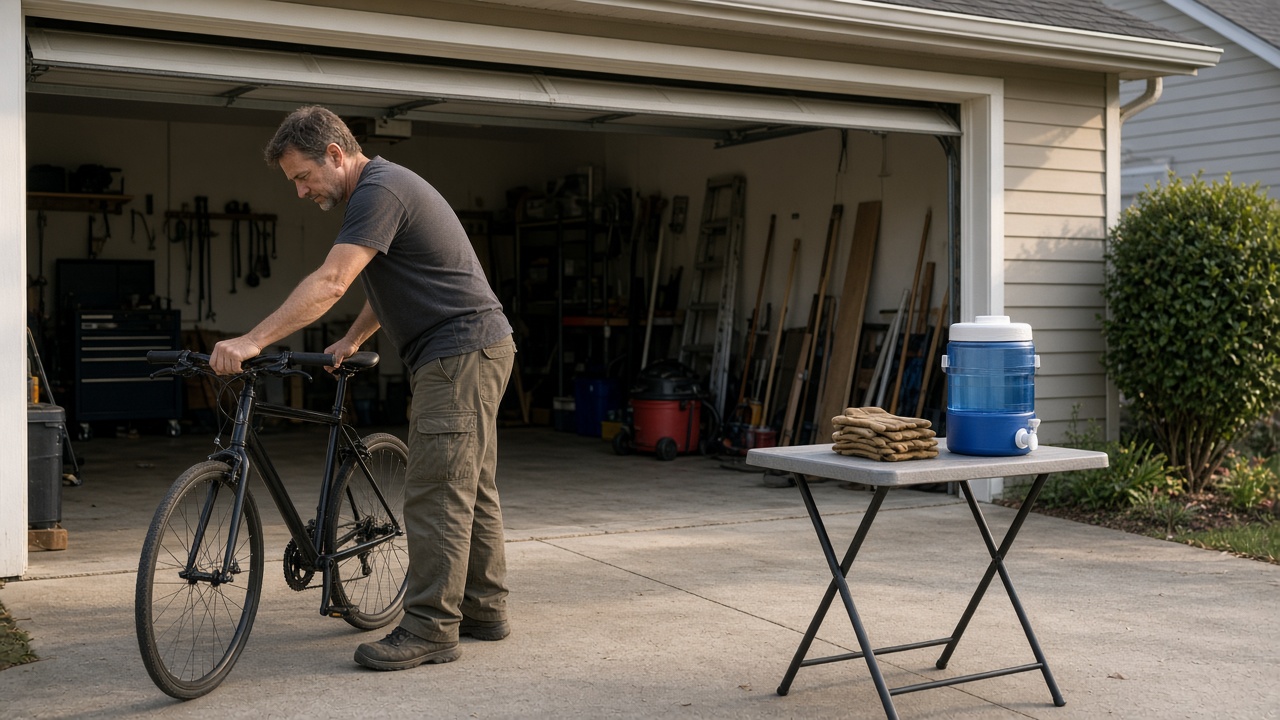
A prepared site lets hired workers start on time, work safely, and finish the job you are paying for.
The most expensive minutes of a day labor job are the first ones, when a crew stands in the driveway while someone looks for the gate key, moves a car, or runs to the store for trash bags. Site prep is not about cleaning your house for guests. It is about removing every obstacle between the crew and the work. This guide walks you through the setup by zone, then finishes with a night-before walkthrough.
ChambaMatters covers protecting your home and family during a longer contractor project in How to Prepare Your Home Before a Construction Project (https://chambanow.com/chambamatters/how-to-prepare-your-home-before-a-construction-project), and covers tools and gear in What a Day Laborer Should Bring to the Job (and What the Hirer Should Provide) (https://chambanow.com/chambamatters/what-a-day-laborer-should-bring-to-the-job-and-what-the-hirer-should-provide). This guide focuses on getting the site itself work-ready for a short labor job.
Zone 1 Arrival and parking
Decide where workers park and where any truck, trailer, or dumpster goes. Move your own cars out of the way the night before. If the crew will load or unload on the street, check whether your city requires a permit for a dumpster or a moving truck in the roadway.
Make the address easy to find. Turn on the porch light for early starts, and send a photo of the house or the gate with your confirmation message. If there is a side gate or back alley entrance, say so.
Zone 2 Access and keys
Unlock every door, gate, shed, and garage the crew will need, or hand the keys to one person. If you will not be home, set up a lockbox or a trusted contact and test the code. Tell your neighbors or building manager that workers are coming, especially in a condo or apartment where elevators, loading docks, or quiet hours may have rules.
Zone 3 The work area
Clear the work area of anything that is not part of the job. Move cars, patio furniture, toys, bikes, and stored items. Mark anything that stays, such as plants, fixtures, or furniture, with painter's tape or flagging tape so nobody has to guess.
If something in the area is fragile or valuable, move it out entirely. A pad or blanket helps, but distance is better.
Zone 4 Staging and materials
Choose one staging spot near the work where materials and tools go. Have materials delivered before the crew arrives, and check the order against the delivery ticket. A crew that finds out at 9 a.m. that half the pavers are missing is a crew you are paying to wait.
Set out the tools you are providing, in working order, with batteries charged and fuel cans filled. Put out extension cords, gloves, safety glasses, and trash bags where the crew can see them.
Zone 5 Paths of travel
Plan the route from the work area to the truck, dumpster, or curb. Make it short, straight, and clear. Prop doors that need to stay open. Lay floor protection or runners on finished floors along the path, and pad door frames and stair corners if furniture or debris will pass by.
Check the path for trip hazards like hoses, rugs, and uneven pavers. Light dark stairways and basements.
Zone 6 Utilities and power
Know where your water shutoff, electrical panel, and gas meter are, and show the crew lead. If the job involves digging, contact 811 a few business days before work so buried utility lines get marked, and confirm that all utilities have responded before anyone digs (https://call811.com/before-you-dig/).
Identify outdoor outlets the crew can use and how many circuits are available. Do not let extension cords run through standing water or across busy walkways. If an outlet trips or sparks, stop using it and call an electrician.
Zone 7 Hazards you know about
You know your property better than anyone. Point out, and where you can, fix or mark these hazards before the crew arrives.
- Soft or rotted deck boards, loose railings, and broken steps
- Holes, drop-offs, and window wells in the yard
- Overhead power lines near trees, roofs, or where ladders will go
- Wasp nests, fire ants, or animal activity
- Slippery surfaces like algae on patios or wet basement floors
- Pools and hot tubs near the work area
Older homes deserve a closer look. If your home was built before 1978 and the job will disturb painted surfaces, EPA's Renovation, Repair and Painting Rule requires anyone paid to do that work to be lead-safe certified and trained, with exceptions for small jobs (https://www.epa.gov/lead/renovation-repair-and-painting-program). If the work could disturb old flooring, insulation, or other materials that might contain asbestos, EPA advises that you generally cannot tell by looking and should have a trained and accredited professional assess it before remodeling (https://www.epa.gov/asbestos/protect-your-family).
Zone 8 Water, restroom, and shade
Tell the crew which restroom they can use and make sure it is stocked. If indoor access is not possible, arrange a portable toilet for longer jobs. For outdoor work, set out cool drinking water close to the work area and plan for shade. OSHA recommends drinking water frequently, rest, and shade, with longer and more frequent breaks as heat stress rises (https://www.osha.gov/heat-exposure/water-rest-shade).
Zone 9 Debris and waste
Decide where every type of waste goes before work starts. That might be a rented dumpster, your city's bins, a trailer the crew hauls, or separated piles for metal, wood, and green waste. Check what your dumpster company or transfer station refuses, such as paint, tires, batteries, or appliances. Keep hazardous items out of the debris stream and away from the crew.
Zone 10 People and pets
Keep children and pets out of the work area and away from open gates. Let the crew know whether anyone will be home, and who to talk to if questions come up. Pets that are friendly to family can still bolt or bite when strangers carry things through the house.
Emergency basics
Post the full street address somewhere visible so anyone can give it to 911. Keep a stocked first aid kit where the crew can find it, and know the nearest urgent care. Tell the crew lead how to reach you all day.
Night-before walkthrough
Walk the site the evening before, as if you were the crew. Use this list to catch gaps.
- Cars moved and parking spot clear
- Gates, doors, and sheds unlocked or keys ready
- Work area cleared; items that stay are marked
- Materials delivered and checked
- Tools charged, fueled, and staged
- Path to truck or dumpster clear and protected
- Shutoffs located; 811 confirmed if digging
- Known hazards fixed, marked, or flagged
- Restroom ready; water and shade set out
- Waste plan ready
- Kids and pets plan in place
- Address posted and first aid kit out
When the site is ready, hiring goes faster too. Your job post can promise a clear start and a clear finish, which good workers notice. ChambaNOW is free to post at https://chambanow.com/for-hirers, and local pages like https://chambanow.com/hire/columbus-oh/general_labor show how hiring works in your area.
This guide is general information. Permit, disposal, and safety rules vary by city and state.
Sources
- 811, Before You Dig: https://call811.com/before-you-dig/
- EPA, Lead Renovation, Repair and Painting Program: https://www.epa.gov/lead/renovation-repair-and-painting-program
- EPA, Protect Your Family from Asbestos-Contaminated Materials: https://www.epa.gov/asbestos/protect-your-family
- OSHA, Water. Rest. Shade.: https://www.osha.gov/heat-exposure/water-rest-shade
Written by Barry Graham, Founder, ChambaNOW
Building knowledge that works.