


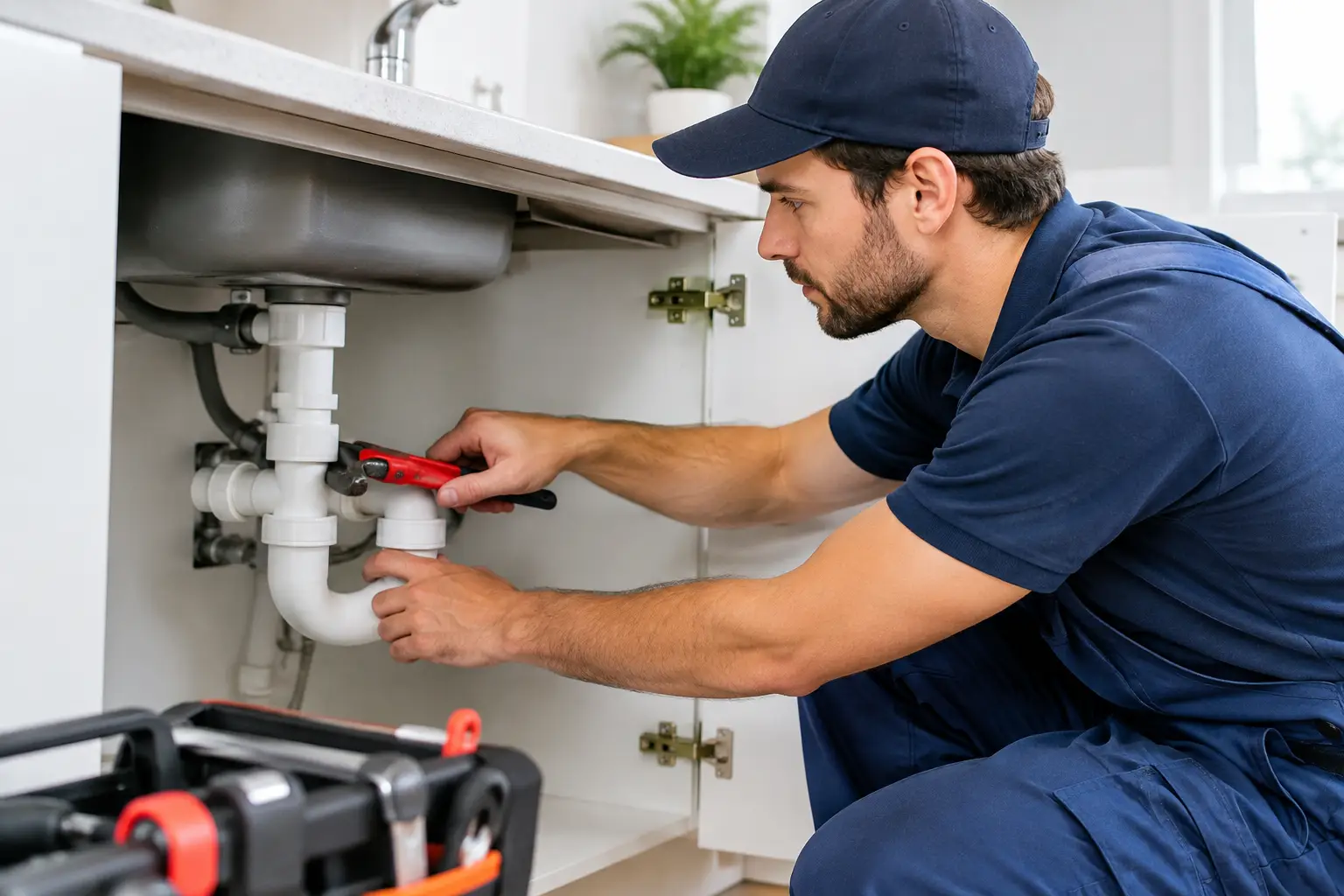
A leaking main line, failed water heater, or backed-up commercial drain can change a contractor's schedule in minutes. That is why plumber jobs hiring now often move faster than traditional job listings. Employers need someone who can show up, assess the problem, work safely, and keep the job moving.
For plumbers, helpers, and maintenance professionals, the opportunity is real, but speed alone is not enough. The workers who get calls back quickly make it easy for an employer to understand what they can do, where they can work, and when they are available. A clear profile and a direct response can make the difference between waiting for work and landing the next job.
Why Plumber Jobs Hiring Now Move Quickly
Plumbing work is tied to deadlines that cannot always wait. A general contractor may need rough-in help before inspection. A property manager may need an emergency repair before tenants return. A restaurant cannot stay open with a serious drainage issue, and a homeowner may need help before water damage spreads.
These needs create different kinds of openings. Some employers are looking for licensed journeyman plumbers to run service calls or oversee a crew. Others need apprentice plumbers, plumbing helpers, drain technicians, pipefitters, or experienced laborers who can support installations. The right role depends on the job, local licensing rules, and how much independent work the employer expects.
That is also why availability matters. A company may have a long-term opening, but it may need help on site tomorrow. If you are seeking immediate work, say so clearly. If you are only available for weekends, nights, or a particular service area, be direct about that too. A good match is better than a fast mismatch.
Make It Easy for Employers to Hire You
Busy contractors do not have time to decode vague job profiles. “Plumber with experience” does not tell them whether you can install fixtures, read plans, diagnose a tankless water heater, run PEX, solder copper, or clear commercial drain lines.
Start with a short description that names your strongest skills and the type of work you want. For example: “Residential service plumber with five years of experience in leak repair, fixture replacement, water heater installation, and drain troubleshooting. Available for full-time service work in the Dallas area.” That gives an employer useful information right away.
Your profile should also show the practical details that affect whether you can start. Include your years of experience, license or apprentice status where applicable, tools or equipment you have, transportation, preferred work area, and earliest availability. If you speak English and Spanish, include that. Bilingual communication can be valuable on crews, with property teams, and when serving customers.
Use specific skill terms that match real plumbing work. Common examples include:
- Service and repair plumbing
- Water heater installation and replacement
- Drain cleaning and sewer line work
- Fixture, faucet, toilet, and garbage disposal installation
- Copper, PVC, PEX, and cast-iron pipe work
- Commercial maintenance and tenant improvements
Only list skills you can perform safely and confidently. A faster hire is not worth taking a job outside your training, license, or local requirements. Employers value workers who are honest about their level because it helps them staff the crew correctly.
Show reliability before the first call
Trade employers hire for skill, but they also hire for dependability. A worker who answers messages, confirms availability, arrives prepared, and communicates clearly saves a contractor time and protects the schedule.
Use a current phone number and check messages often when you are actively looking. If an employer asks whether you can start at 7 a.m. the next day, a response hours later may mean the opening is gone. Reply with a direct answer, ask for the job location and expected scope, and confirm any requirements such as PPE, tools, licensing, or a background check.
Be prepared to discuss your recent work. You do not need a polished sales pitch. Explain the jobs you have handled, the systems you know, and the type of team environment where you work best. Straight answers build trust faster than exaggerated claims.
How to Evaluate a Plumbing Job Before You Accept
An urgent job can be a good opportunity, but ask enough questions to know what you are walking into. The role may be a one-day repair, a short construction project, a full-time service position, or a trial shift that could lead to regular work. Each option can make sense depending on your goals.
Before accepting, confirm the pay rate or compensation structure, expected hours, job location, start date, and whether the work is employee or independent contractor work. Ask what tools the company provides and what you are expected to bring. For larger projects, find out who you report to and whether the job involves new construction, renovation, service calls, or emergency response.
Licensing and safety deserve special attention. Requirements vary by state and city, and some tasks must be performed or supervised by a licensed plumber. Never assume that a job title tells the full story. If the work includes gas piping, excavation, confined spaces, commercial systems, or permit-related work, ask about the site's safety procedures and the level of responsibility expected.
Pay matters, but so does fit. A higher hourly rate may not be the best choice if the commute is unrealistic, the schedule is unpredictable, or the assignment does not use your core skills. On the other hand, a shorter job with a reputable contractor can lead to repeat calls, referrals, and a stronger local network.
For Employers: Fill Plumbing Openings Without Slowing the Job
When a plumbing crew is short one person, the impact spreads quickly. Installations fall behind, service windows get missed, supervisors spend their day covering field work, and other trades may be left waiting. Posting a clear job is the fastest way to attract workers who can actually meet the need.
Describe the role in practical terms. State whether you need a licensed plumber, apprentice, helper, drain technician, or general labor support. Identify the location, shift, expected duration, pay range if you choose to share it, required tools, and start date. Include the key tasks, such as rough-in, trim, service repairs, water heaters, drain work, or commercial maintenance.
Avoid asking for every possible skill when the job only needs a few. A focused posting gets more relevant responses and makes screening faster. If a worker must have a license, reliable transportation, OSHA training, or experience with a particular system, say so upfront.
Speed should not replace verification. Review work history, confirm credentials where needed, and speak directly with the worker about availability and scope. A quick five-minute conversation can uncover whether someone is ready for the work or simply applying broadly. ChambaNow helps employers connect with verified skilled trade and labor workers while keeping the hiring process direct and accessible.
Build a bench before the emergency
The best time to meet good workers is not always when a pipe has already burst. Keep notes on dependable plumbers, helpers, and laborers who completed jobs well. When a project expands or a service technician calls out, you will have a starting point instead of beginning from zero.
This does not mean hiring people you do not need. It means building a reliable contact base and treating workers professionally when you do hire them. Clear job details, prompt payment practices, safe sites, and respectful communication make workers more likely to answer your next call.
Turn Immediate Work Into Steady Opportunity
For workers, the fastest plumbing jobs can become more than a single paycheck. Show up on time, protect the work area, keep your supervisor informed, and leave the site cleaner than you found it. Those habits get remembered, especially by small contractors and facilities teams that hire repeatedly.
For employers, every urgent hire is a chance to find a worker worth calling again. The strongest matches happen when expectations are clear on both sides: the work, the pay, the schedule, the safety requirements, and the next step after the shift ends.
If you are looking for plumber jobs hiring now, make your skills visible, respond with purpose, and choose work that fits your experience. The next call may be urgent, but it can still be the start of a dependable working relationship.