
How to Write a Clear Scope of Work Before a Day Labor Job Starts
A clear scope of work for a day labor job is a short written description that answers six questions before anyone starts: what tasks are included, where the work is, when it starts
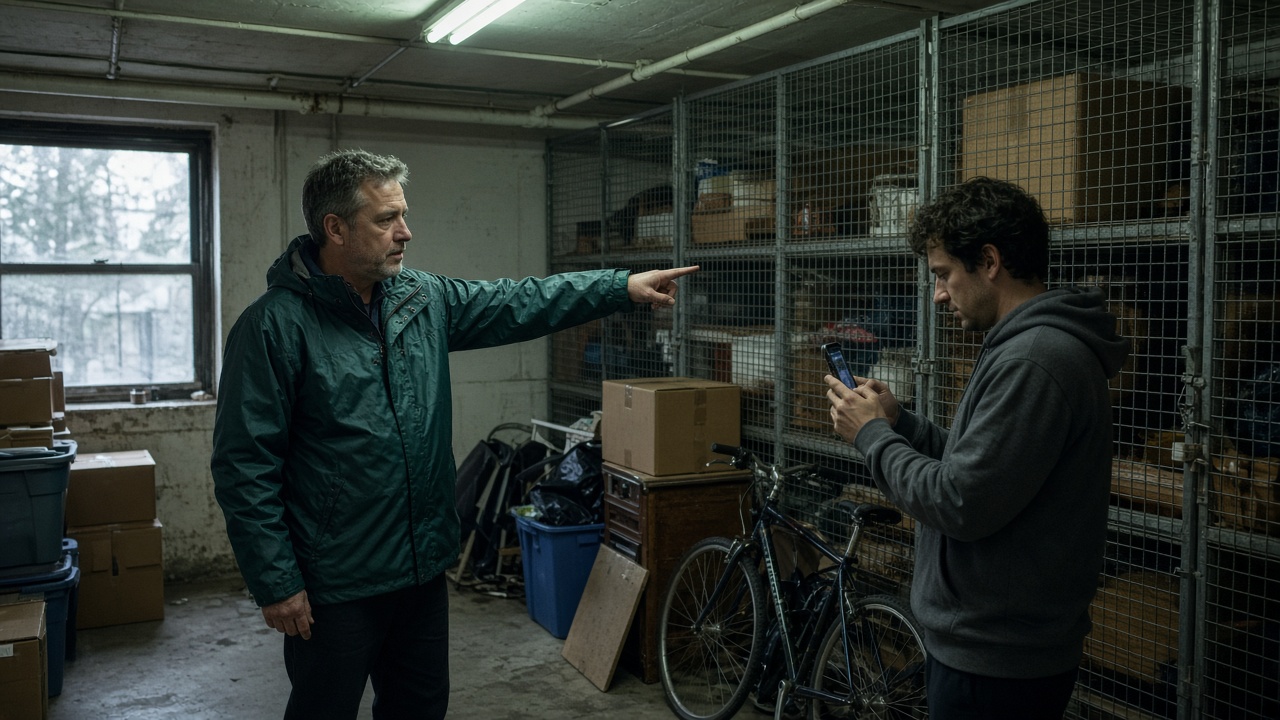
A clear scope of work for a day labor job is a short written description that answers six questions before anyone starts: what tasks are included, where the work is, when it starts and ends, how much and how the worker is paid, who provides tools and safety gear, and what "done" looks like. It can be a text message, a job post, or a one-page note. It does not need legal language. What it needs is enough detail that the worker and the hirer would describe the job the same way.
This article is general information, not legal advice. A scope of work is not a substitute for a contract on larger or permitted projects, and some states set specific contract requirements for home improvement work.
What is a scope of work?
A scope of work is a written description of the tasks, deliverables, schedule, and terms for a specific job. For day labor, it is usually one page or less.
Why write one for a one-day job?
Many day labor disputes come from mismatched expectations: the worker thought it was four hours of yard cleanup, and the hirer expected the shed emptied too. A written scope helps in three ways:
- It lets workers decide whether the job fits their skills and schedule before they accept
- It gives both sides a record of the agreed pay and hours, which matters because unpaid wages have long been a problem in day labor; the 2006 national "On the Corner" study found almost half of day laborers had experienced at least one instance of wage theft in the prior two months (https://www.coshnetwork.org/sites/default/files/Day%20Labor%20study%202006.pdf)
- It makes it easier to price extra work fairly when the job changes
Local governments recommend writing things down for bigger projects too. The City of Austin advises homeowners hiring contractors to get a written contract and not to pay the full amount in advance (https://www.austintexas.gov/development-services/how-select-contractor).
What should a day labor scope of work include?
Use this as a fill-in template.
- Job title: one line, such as "Garage cleanout and haul-away"
- Address and access: the job address, where to park, gate codes or who will let the worker in
- Date and times: start time, expected end time, planned breaks
- Number of workers: how many people, and whether one is the lead
- Tasks included: a numbered or bulleted list of specific tasks
- Tasks not included: anything a worker might assume is part of it but is not
- Done looks like: how you will both know the job is finished
- Pay: the rate and basis, hourly, day rate, or flat job price, and when and how payment will be made
- Extra time: the rate for any time beyond the expected end, and who must approve it
- Ending early: what happens if the job finishes early or is canceled
- Tools and materials: what the hirer provides and what the worker brings
- Safety: protective gear, known hazards, heat plan, restroom and water access
- Contact: a phone number for questions on the day
How detailed should the task list be?
Detailed enough that a stranger could do the job. Compare:
- Vague: "Clean up the yard"
- Clear: "Rake leaves from front and back lawns, bag them in the provided yard-waste bags, and leave the bags at the curb. Trim the two hedges along the driveway to the height of the fence. Do not touch the flower beds."
Use quantities wherever you can: number of rooms, number of boxes, cubic yards of mulch, square feet of fence, number of trips to the dump.
What should "done" look like?
Define a finish line both sides can see:
- "All items in the garage loaded into the truck except the items marked with blue tape"
- "Mulch spread three inches deep in the front beds, walkways swept"
- "Dumpster loaded and drywall dust swept from both bedrooms"
Without a finish line, a flat job price can turn into an argument about whether the job is complete.
What pay terms should be written down?
If the worker is your employee, the Department of Labor's Fact Sheet 21 lists the basis on which wages are paid, such as hourly or daily, as one of the records employers must keep (https://www.dol.gov/agencies/whd/fact-sheets/21-flsa-recordkeeping). Even for an independent job, write:
- The rate and basis, such as $25 per hour, $220 for the day, or $400 for the job
- Whether an unpaid meal break is planned, and how long
- When payment will be made, such as at the end of the day
- How payment will be made, such as cash, check, or a payment app
- Any extra costs the hirer will reimburse, such as dump fees or mileage
For employees, waiting time and travel between job sites during the day can count as work time under federal law, according to DOL Fact Sheet 22 (https://www.dol.gov/agencies/whd/fact-sheets/22-flsa-hours-worked). Note in the scope if the job includes a dump run or a second address.
What safety items belong in a scope?
- Known hazards: stairs, ladders, sharp debris, chemicals, wasps, dogs, power lines
- Required gear and who provides it; for employers covered by OSHA, required protective equipment is generally provided at no cost to employees under 29 CFR 1926.95 (https://www.osha.gov/laws-regs/regulations/standardnumber/1926/1926.95)
- Heat plan for outdoor work: water, shade, and breaks
- Restroom access
- What to do if someone gets hurt
Does the scope need to mention licensing?
If the job includes electrical, plumbing, structural, or permitted work, it may require a licensed professional. In California, for example, unlicensed persons may only do jobs under $1,000 that need no permit and in which they employ no one, according to the Contractors State License Board (https://www.cslb.ca.gov/Resources/IndustryBulletins/2024/AB%202622%20Implementation.FINAL.pdf). Keep day labor scopes to general labor tasks and say so.
How do you handle changes during the job?
Changes happen. Add a line such as: "Any tasks not on this list will be discussed first and paid at $25 per hour or a price agreed before the work starts." Confirm changes by text so there is a record. ChambaMatters has a full guide on what to do when a day labor job runs long or finishes early.
Sample scope of work
- Job: Move furniture from a second-floor apartment into a ground-floor storage unit
- Address: provided after the worker accepts; street parking only
- Date and time: Saturday, 9 a.m. to about 1 p.m.
- Workers: 2
- Included: carry 1 sofa, 2 dressers, 1 bed frame, about 25 boxes; load into the storage unit at the same building
- Not included: packing, disassembly of the bed frame, cleaning
- Done: all listed items in the storage unit, hallway clear
- Pay: $26 per hour per worker, paid in cash at the end; extra time at the same rate if approved
- Ending early: minimum of 3 hours paid
- Tools: hirer provides dolly and moving blankets; workers bring gloves
- Safety: stairs are narrow; water provided
- Contact: hirer's phone number
The amounts in this sample are placeholders. Check local wage data before setting your rate.
Where does ChambaNOW fit?
A ChambaNOW job post works as a scope of work: posting a job is free, the post can list tasks, hours, pay, and tools, and hirers contact workers only about that posted job, so every conversation ties back to the same description. Messages can be translated between English and Spanish, which helps both sides confirm details. Hirers can start at https://chambanow.com/for-hirers, and workers can read https://chambanow.com/chambamatters/before-you-accept-a-job before saying yes. For project ideas, see https://chambanow.com/chambamatters/the-homeowners-guide-to-hiring-day-labor-for-small-projects.
Key takeaways
- A scope of work answers what, where, when, how much, who provides what, and what done looks like
- Use specific tasks and quantities, and list what is not included
- Write the pay basis, payment time and method, and the rate for extra time
- Include safety hazards, gear, water, and restroom access
- Confirm any changes in writing during the job
Sources
- City of Austin, How to Select a Contractor
- U.S. Department of Labor, Fact Sheet 21 and Fact Sheet 22
- OSHA, 29 CFR 1926.95
- California Contractors State License Board, Industry Bulletin 24-07
- "On the Corner: Day Labor in the United States," 2006
Written by Barry Graham, Founder, ChambaNOW
Construyendo conocimiento que funciona.